From Entry to Impact: How Community Engagement Is Powering Energy Deployment in Coastal Communities
May 30, 2026
How Niger Delta Peace Champions Are Quietly Stopping Violence Before It Erupts Across Communities
May 31, 2026
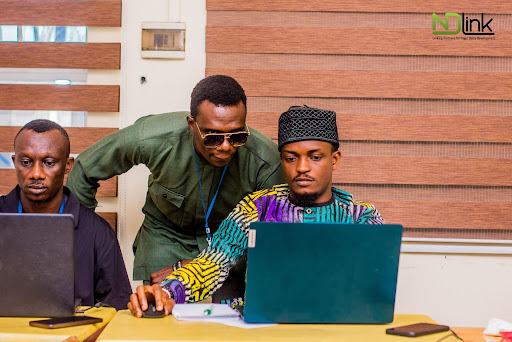
In today’s development landscape, doing impactful work is no longer enough. The organizations that attract funding, partnerships, and opportunities are not always the ones doing the most work—they are often the ones doing the best job of showing their work.
For many years, development organizations operated within what could be described as a “proposal culture.” A funding opportunity would emerge, organizations would rush to prepare applications, submit proposals, and wait for a response. If funding was secured, a project was implemented. Once the project ended, however, the stories, lessons, and results often disappeared into reports that were rarely seen beyond donor offices and filing cabinets.
That approach is becoming increasingly outdated.
Today, donors, investors, foundations, and development partners are actively searching for organizations that can demonstrate credibility, experience, and measurable impact long before a proposal is submitted. They are exploring websites, social media platforms, digital publications, and online knowledge hubs to identify organizations that are already delivering results in their communities.
The reality is simple: if your work cannot be found online, it is difficult for potential partners to discover, trust, or invest in your organization.
Moving Beyond Visibility to Credibility
Building an effective digital presence is not about self-promotion. It is about providing evidence of your work and demonstrating your ability to deliver meaningful change.
Organizations seeking to attract long-term partnerships should focus on documenting three critical elements of their work: their capacity, their results, and their impact.
- Demonstrate Your Capacity
Before committing resources, potential partners want to understand who you are and what positions you to succeed.
Your capacity includes your people, expertise, networks, local knowledge, and relationships within the communities you serve. It reflects the systems, partnerships, and experience that enable you to deliver results effectively.
Rather than keeping this information hidden in organizational profiles or proposal documents, make it accessible. Share information about your team, your areas of expertise, your partnerships, and the communities where you have established trust and credibility.
A visible and credible organizational profile gives potential partners confidence in your ability to implement sustainable interventions.
- Document Your Results
Stories are powerful, but evidence matters.
Organizations should consistently communicate what they have accomplished through clear, measurable data. Whether you have trained farmers, supported entrepreneurs, facilitated peacebuilding initiatives, or expanded access to essential services, stakeholders want to see tangible evidence of progress.
Instead of saying, “We supported local farmers,” demonstrate the scale and scope of your work.
How many farmers were reached? How many communities benefited? What services were provided? What outputs were achieved?
Publishing these results through articles, project updates, photographs, maps, and digital reports helps establish a track record that can be independently verified and understood.
- Showcase Long-Term Impact
While outputs demonstrate activity, impact demonstrates value.
Development partners increasingly want to understand what changed because of an intervention. Did farmers increase their incomes? Did young people secure employment? Did communities experience greater stability? Did access to services improve?
Capturing and communicating these longer-term outcomes helps stakeholders understand the difference your work is making beyond project implementation.
Equally important is transparency. Sharing lessons learned, challenges encountered, and adaptations made along the way strengthens organizational credibility and demonstrates a commitment to continuous improvement.
From Grant Seeking to Partnership Building
Organizations that consistently document their capacity, results, and impact position themselves differently in the development ecosystem.
Rather than being seen solely as applicants seeking funding, they become trusted partners with demonstrated experience and a verifiable track record of success.
This shift from project-driven visibility to evidence-based storytelling helps organizations build trust, strengthen credibility, and attract opportunities for collaboration.
In an increasingly digital world, visibility has become a strategic asset. The organizations that invest in documenting and sharing their work today are often the organizations that attract tomorrow’s partnerships.
Making Local Impact Visible Through NDLink
For organizations across the Niger Delta and beyond, visibility begins with having a platform where stories, achievements, and lessons can be shared with wider audiences.
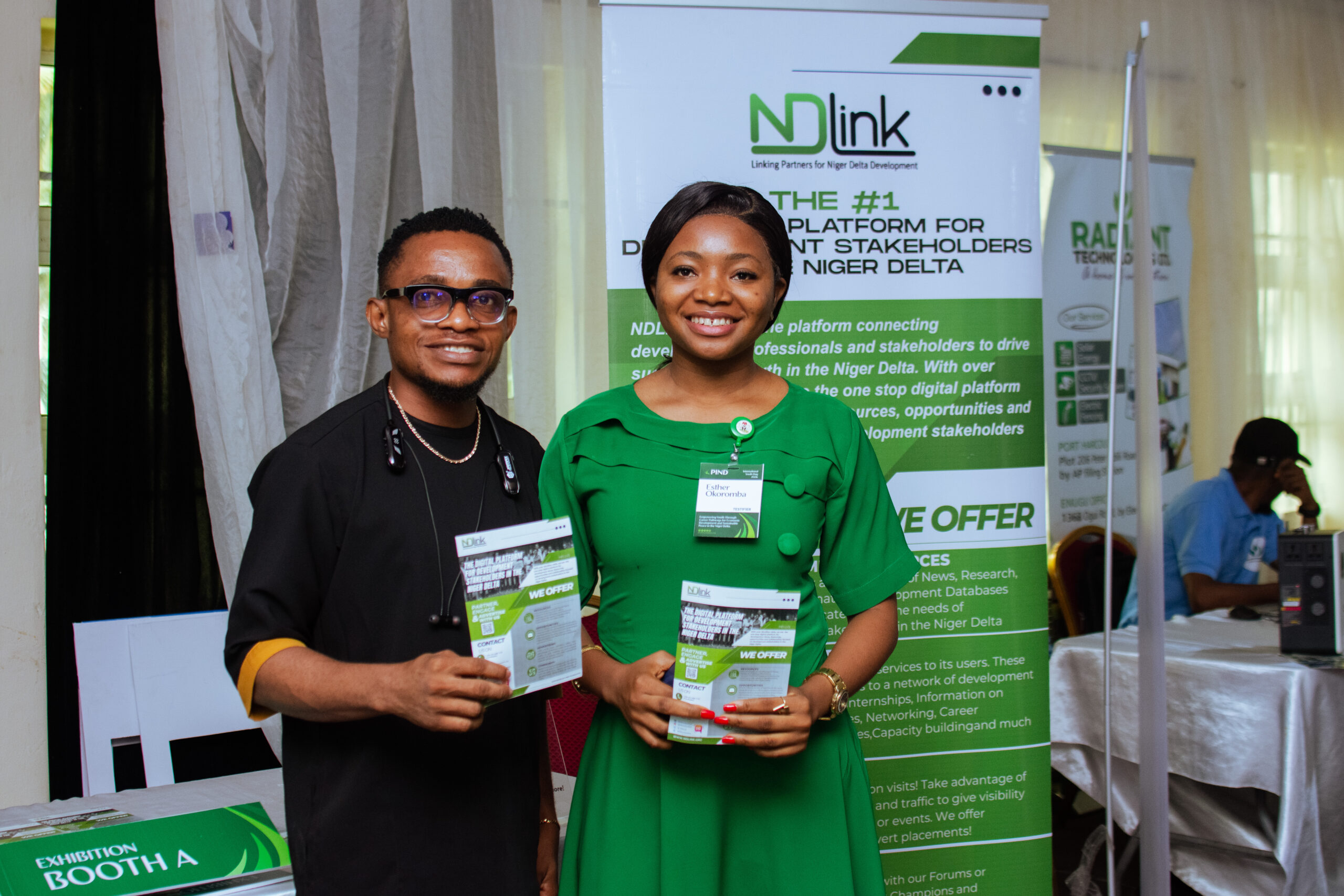
NDLink provides a regional platform for development organizations, cooperatives, social enterprises, community groups, and practitioners to showcase their work, share success stories, highlight project achievements, and connect with a broader network of stakeholders.
By documenting and sharing impact through trusted platforms, organizations can strengthen their credibility, increase their visibility, and position themselves for new opportunities in an increasingly connected development landscape.
Because meaningful change deserves to be seen—and the organizations creating that change deserve to be discovered.