 NDLink
Expanding energy access across coastal communities in the Niger Delta requires more than deploying technology—it requires building trust, aligning with local realities, and creating systems that communities can sustain. This was the focus of a recent stakeholder engagement convened in Ilaje Local Government Area.
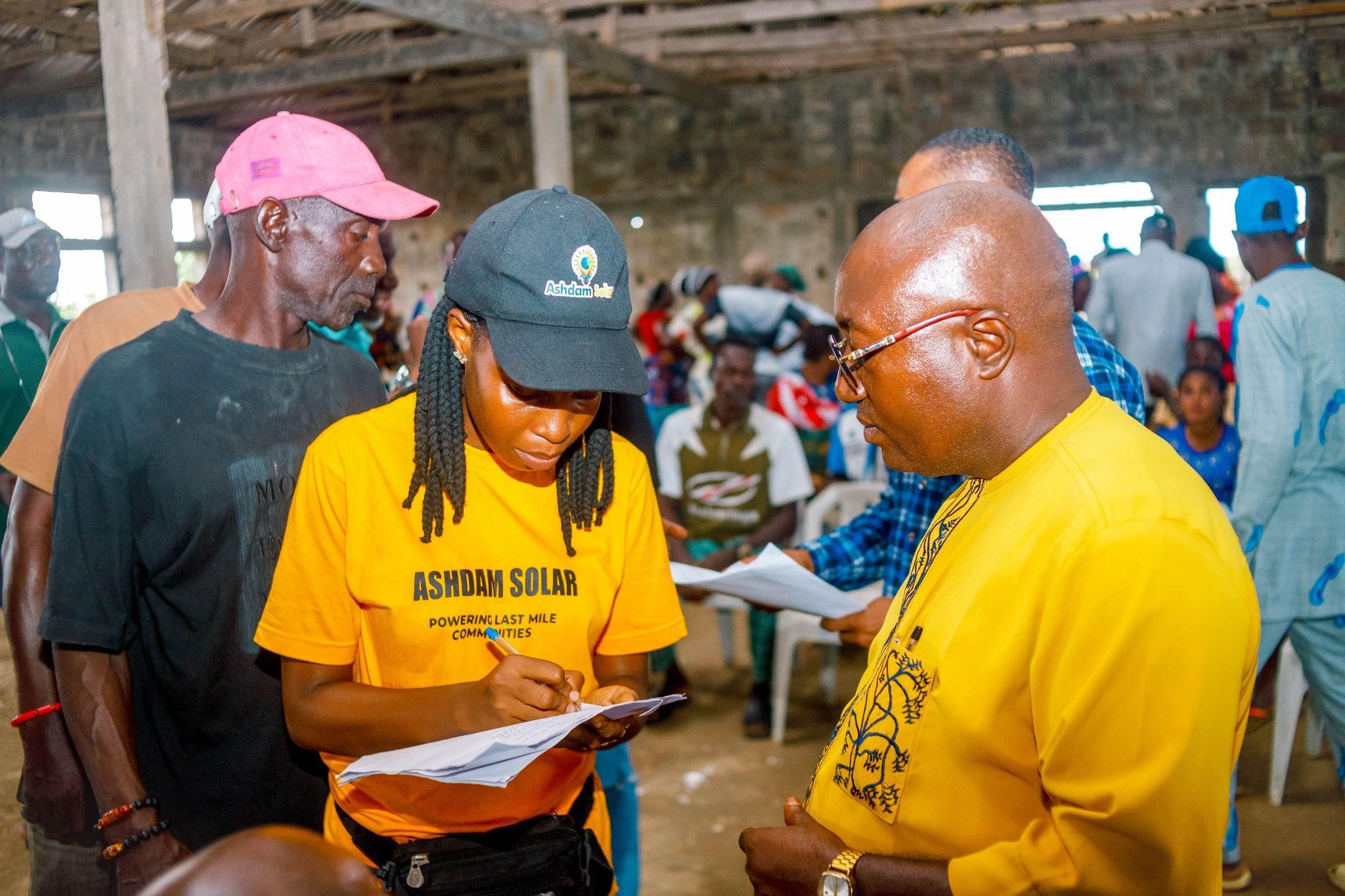
From April 2–3, 2026, the Foundation for Partnership Initiatives in the Niger Delta, through its Access to Energy (A2E) program, facilitated community entry for its partner, Ashdam Solar Company Limited, ahead of the planned deployment of mesh-grid solar solutions.
A mesh grid is a decentralized solar energy model designed to serve multiple users in dispersed, often hard-to-reach settlements. Unlike conventional grid systems, it allows households and small businesses to connect to a flexible, shared network that distributes power based on local demand. For coastal and riverine communities—where traditional grid expansion is often impractical—this model offers a more adaptable and scalable pathway to energy access.
However, beyond its technical design, the success of the mesh-grid depends heavily on something less visible but far more critical: community acceptance.
The engagement brought together community leaders, women’s groups, youth representatives, and local business actors across eight coastal communities, including Ilepete, Ilowo, and Ayetoro. At its core, the sessions were designed to ensure that the proposed solution is not only introduced effectively but also understood, accepted, and shaped by the people it is meant to serve.
In Ilaje, economic activities such as fish processing, trading, and small-scale enterprises depend heavily on reliable electricity. By integrating these realities into the design and deployment of the mesh-grid system—a decentralized solar model suited for dispersed settlements—the initiative moves beyond basic access to enabling productivity and income generation.
Beyond the technology, the engagement delivered critical outcomes. It strengthened trust between the energy provider and host communities, improved awareness of how the system works, and created space for community input in shaping deployment and usage models.
As deployment advances, the Ilaje model provides a practical pathway for other development partners and coastal communities to follow as the region works to close its energy access gap.