Assessing the Shift Toward Climate-Smart Solutions in the Niger Delta
June 30, 2026
Strengthening Indigenous Language Preservation Through Community and Media Engagement
June 30, 2026
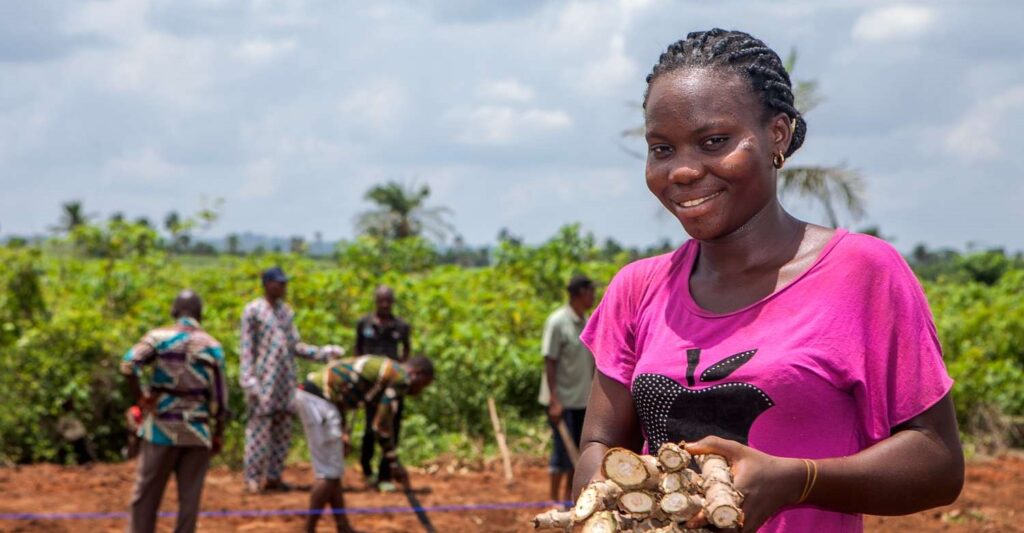
For many young people in the Niger Delta, agriculture has long been viewed as a last resort rather than a career of choice. The sector is often associated with subsistence farming, physical labour, and limited financial returns, leading many young people to look elsewhere for employment opportunities.
Yet this perception is rapidly changing. Across the Niger Delta, agriculture is evolving into a modern business driven by innovation, technology, stronger market systems, and strategic partnerships. From climate-smart farming and mechanization to value addition and agribusiness enterprise, the sector is creating new pathways for young people to build sustainable livelihoods while contributing to food security and economic growth.
Beyond Farming: Building Agribusiness Opportunities
Modern agriculture extends far beyond cultivating crops. It includes processing, logistics, mechanization, marketing, digital advisory services, and value addition—creating opportunities for young entrepreneurs with diverse skills and interests. As governments, development organisations, and the private sector continue to invest in agricultural value chains, agribusiness is emerging as one of the region’s most promising sectors for youth employment.
Creating these opportunities, however, requires more than training. Limited access to land, mechanization services, improved planting materials, finance, and reliable markets continue to restrict the participation of many young people, particularly women, in commercial agriculture.
One initiative helping to address these barriers is the Women in Sourcing and Enterprise (WISE) Programme, implemented by IDH – The Sustainable Trade Initiative in partnership with the Foundation for Partnership Initiatives in the Niger Delta (PIND), and supported by the Mastercard Foundation.
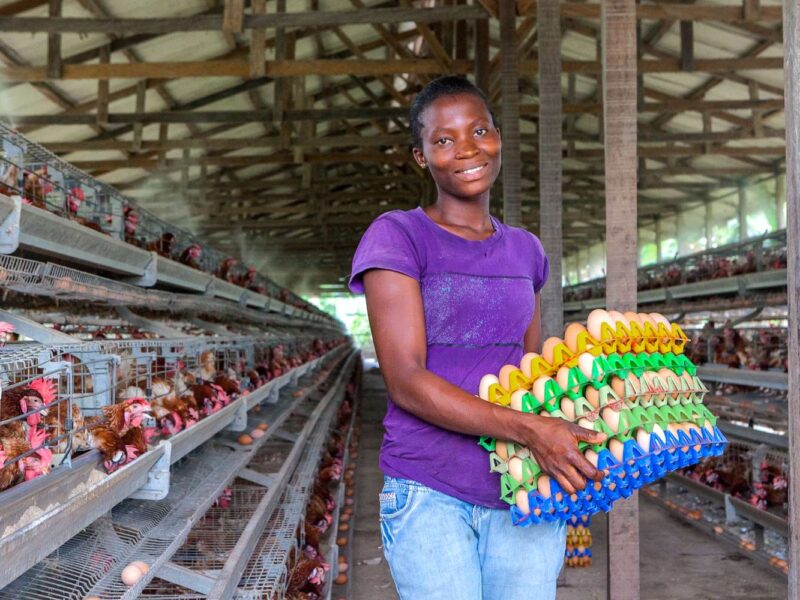
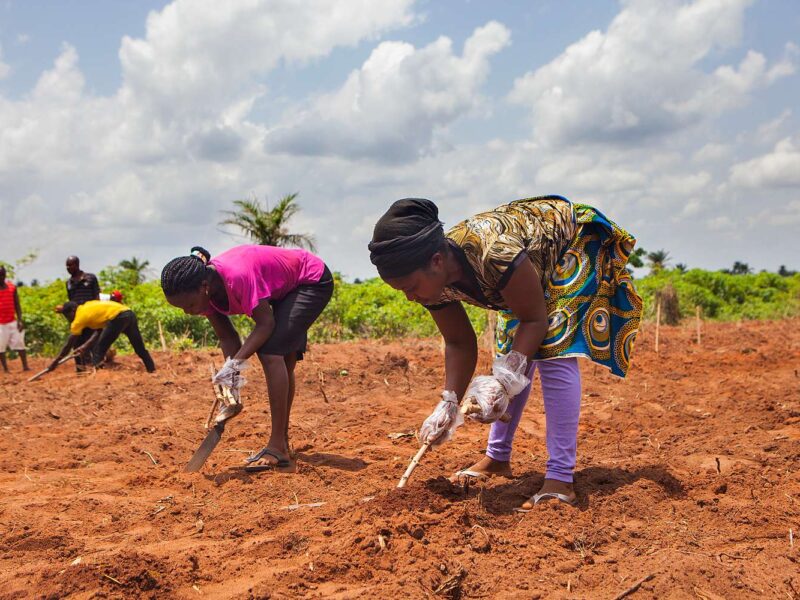
The initiative is boosting the livelihoods of young women by equipping them with practical agricultural and business skills while improving access to productive resources, markets, and enterprise opportunities. With a strategic target of creating dignified and fulfilling work within the cassava value chain for 5,000 young women, the programme has already trained more than 4,000 participants across the Niger Delta.

High-Growth Agribusiness Sectors for Targeted Investment
For young entrepreneurs looking to build sustainable enterprises in agriculture, the Niger Delta’s unique economic geography offers strong growth potential across several strategic corridors:
- Aquaculture and Marine Logistics: Utilizing the region’s extensive riverine networks for commercial fish farming, hatchery management, feed production, and cold-chain storage.
- Processing and Value Addition: Transforming raw commodities into high-value products—such as processing cassava into industrial starch or flour, and upgrading palm oil refining—to maximize market returns.
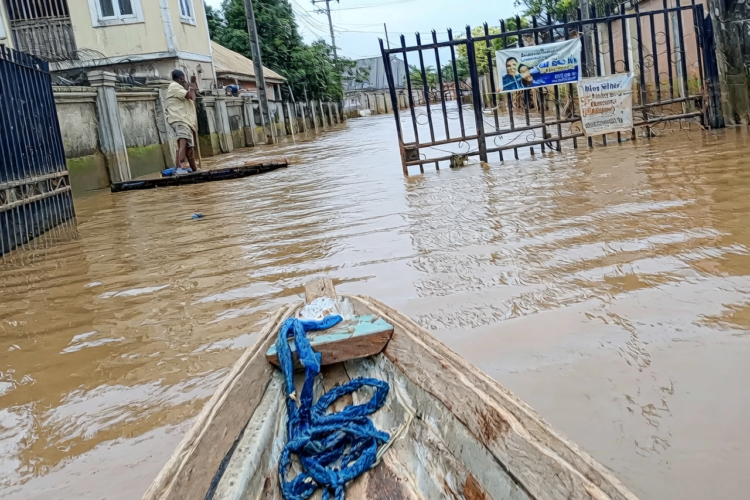
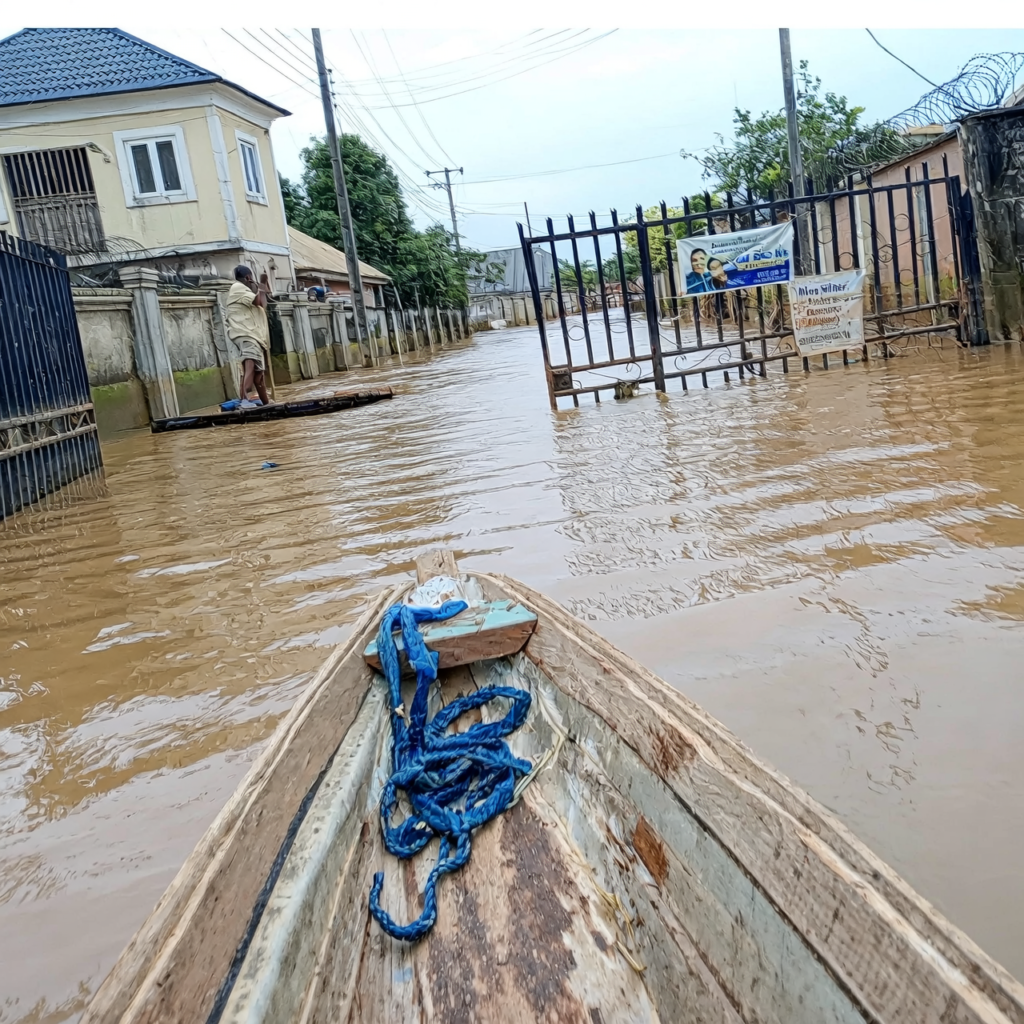
- Climate-Smart Agriculture (CSA): Deploying greenhouse technologies, precision irrigation, and sustainable crop management to insulate farms against weather volatility and flooding.
- Agri-Tech Infrastructure: Developing digital platforms for crop monitoring, weather advisory services, and farm management software to connect rural smallholders with buyers.
- Commercial Aggregation: Establishing rural storage centers and supply chain services to bridge the gap between farm gates and urban consumer markets, minimizing post-harvest losses.
Driving Sustainable Growth Through Long-Term Integration
The future of the Niger Delta’s agricultural sector depends not only on fertile terrain, but on the ability of young people to innovate, manage commercially viable enterprises, and respond dynamically to market demands.
As regional stakeholders prioritize food security and youth unemployment, agribusiness presents a unique mechanism to address multiple developmental challenges at once—driving job creation, improving localized food production, and reducing rural poverty.
By investing in these market-led extension networks and strategic enterprise frameworks, development actors are helping build self-sustaining agricultural systems that continue to drive economic stability and improve livelihoods across the Niger Delta.