Niger Delta Weekly Conflict Update: June 14-20, 2026
June 19, 2026
Why Agriculture Could Be the Next Big Opportunity for Young People in the Niger Delta
June 30, 2026
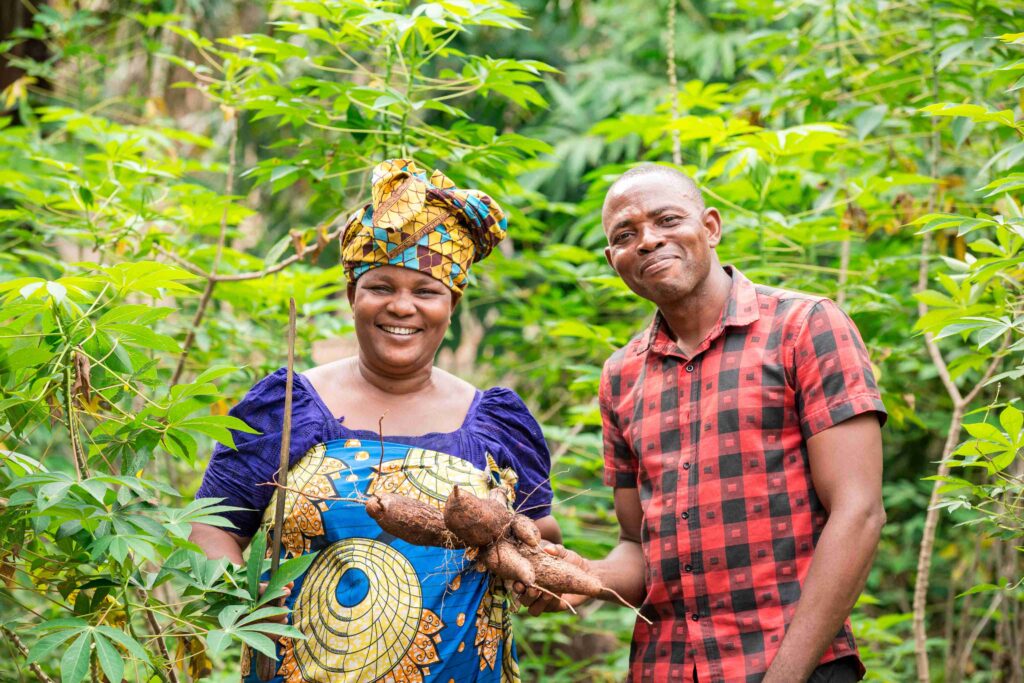
As conversations around this year’s World Environment Day, themed “Inspired by Nature. For Climate. For Our Future,” conclude, attention is increasingly turning from awareness to action. Across the Niger Delta, climate change is no longer viewed solely as an environmental concern but as a development challenge affecting agriculture, healthcare, energy access, and the resilience of vulnerable communities.
In response, development organizations, social enterprises, and community-based institutions are strengthening the adoption of climate-smart solutions that help communities adapt to changing weather patterns while protecting livelihoods and improving essential services. These locally driven innovations demonstrate how practical adaptation is becoming an important part of sustainable development across the region.
Strengthening Climate Resilience Through Agriculture
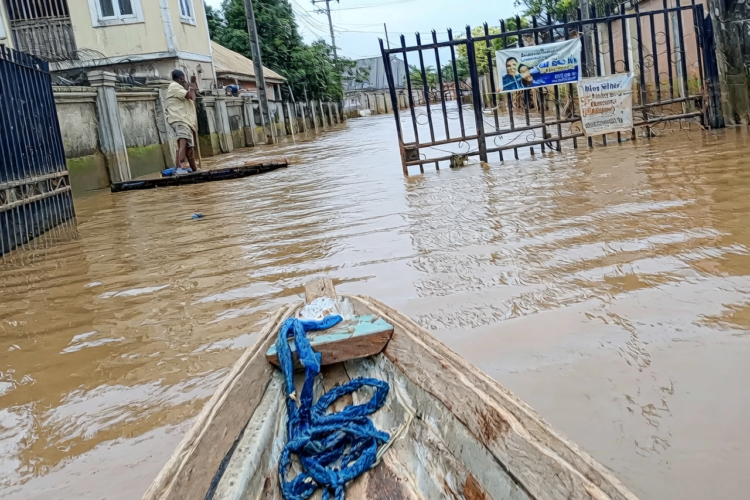
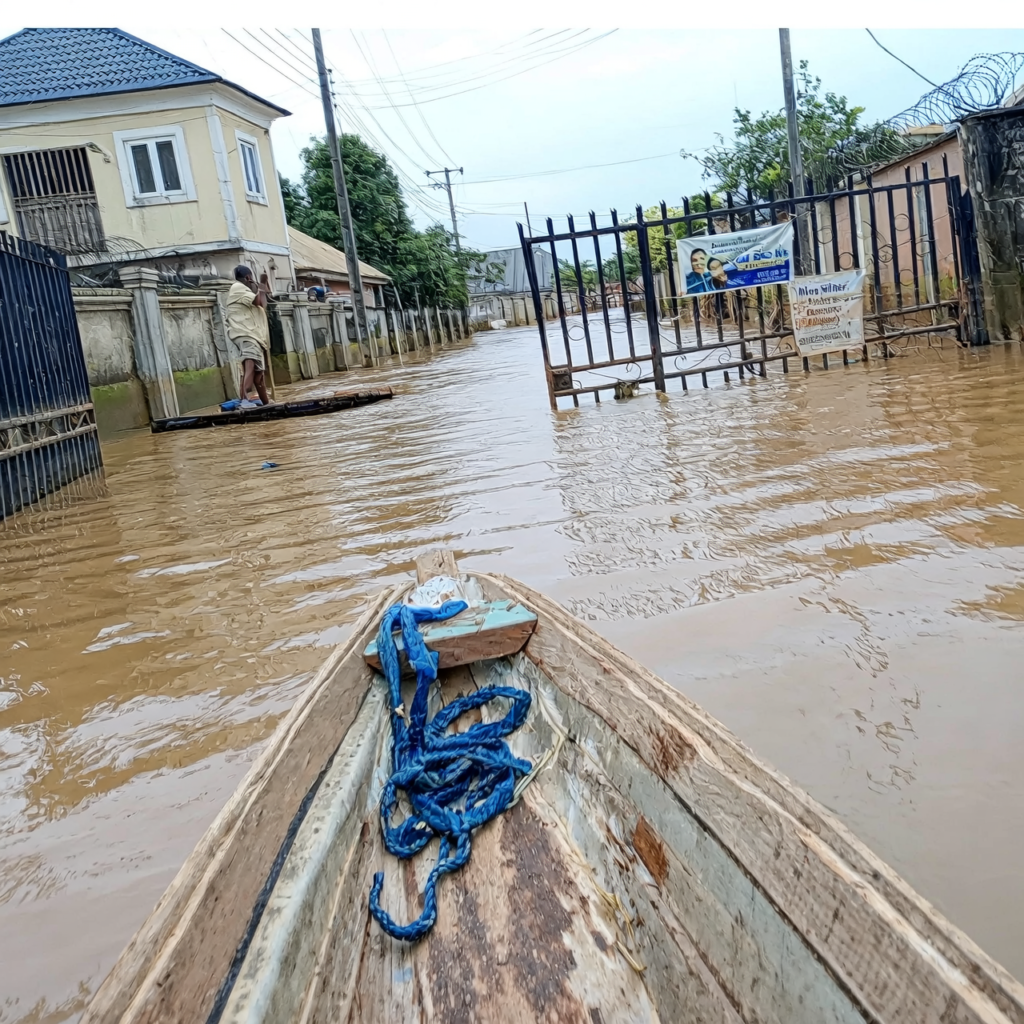
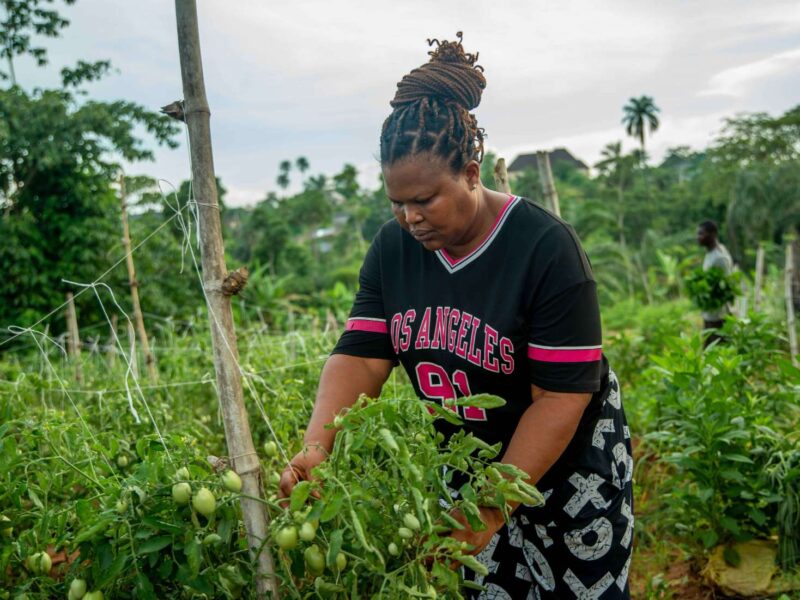
Agriculture remains one of the sectors most affected by climate variability in the Niger Delta. Unpredictable rainfall, flooding, and declining soil productivity continue to threaten food production and rural incomes.
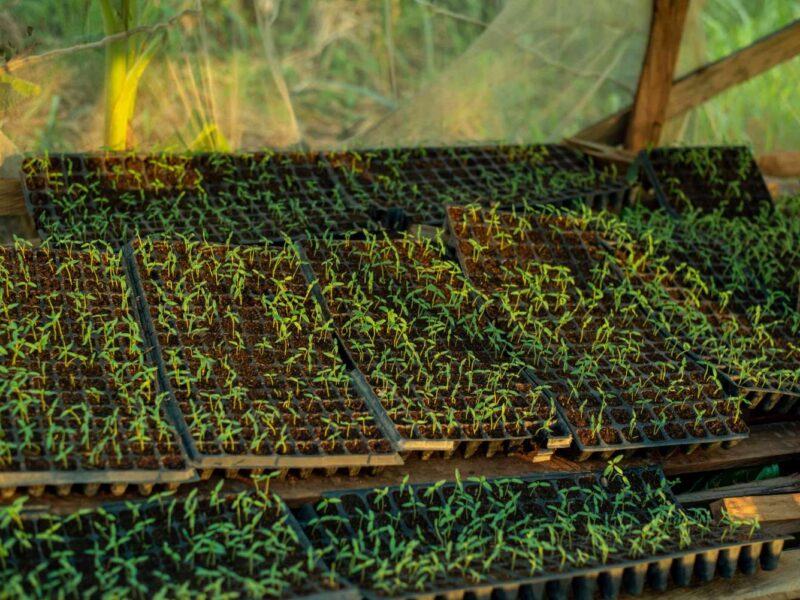
To address these challenges, development actors are expanding the adoption of Climate-Smart Agriculture by equipping smallholder farmers with improved agronomic practices, resilient crop varieties, and sustainable soil management techniques. These interventions are helping farmers improve productivity, reduce climate-related risks, and strengthen food security while building a more resilient agricultural system across the region.
Expanding Clean Energy and Climate-Responsive Innovation
Climate adaptation is also influencing how communities access energy and essential services. Limited electricity infrastructure has accelerated the deployment of decentralized renewable energy solutions, with solar home systems, energy cabins and mini-grids providing reliable power to households, businesses, healthcare facilities, and rural markets.
At the same time, innovators are exploring cleaner transport solutions that reduce dependence on fossil fuels while supporting economic activities across the region’s riverine and coastal communities. Together, these investments are improving energy access, reducing environmental impacts, and creating more resilient infrastructure capable of supporting inclusive economic development.
Improving Healthcare Delivery Through Technology
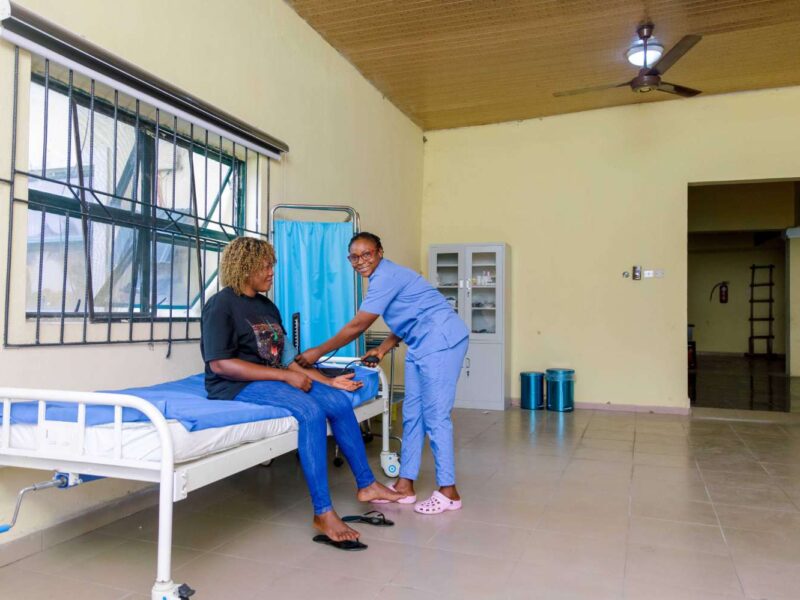
Climate-related disruptions frequently limit access to healthcare, particularly in remote communities where flooding and poor transport networks delay the delivery of essential medical supplies.
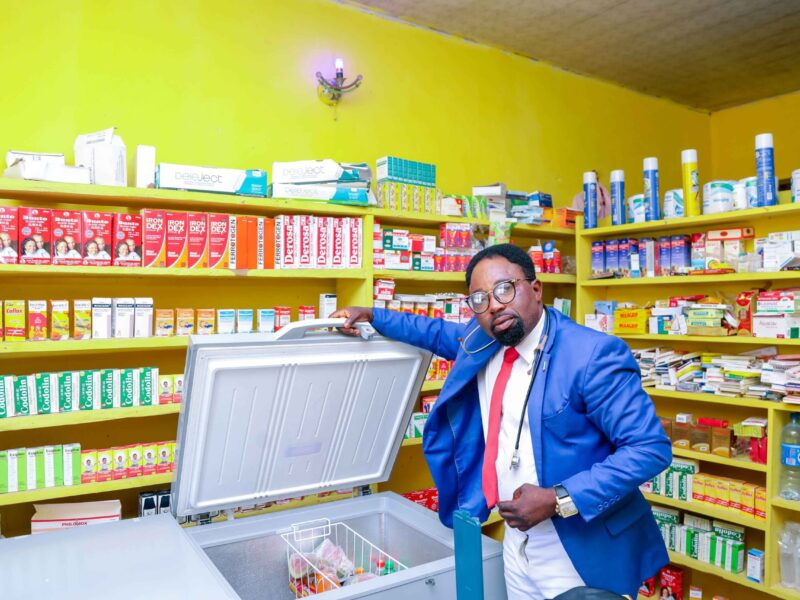
To strengthen health system resilience, development partnerships are deploying technologies such as autonomous medical drones to transport vaccines and essential medicines to frontline health facilities. These efforts are complemented by solar-powered cold-hubs that help maintain critical services even during prolonged power outages and extreme weather events.
Building a More Climate Resilient Economy
While these interventions span different sectors, they reflect a broader shift toward integrating climate resilience into development planning across the Niger Delta. Their long-term success will depend on sustained collaboration among governments, development organizations, the private sector, financial institutions, and local communities to expand proven solutions, implement policies and strengthen systems that support them.
The transition already underway demonstrates that climate adaptation is no longer limited to environmental initiatives. It is becoming central to how the region strengthens food security, expands access to clean energy, improves healthcare delivery, and builds more resilient livelihoods. As the Niger Delta continues to respond to the realities of climate change, these locally driven solutions provide practical examples of how innovation and partnership can contribute to a more sustainable and resilient future.