Niger Delta Weekly Update – August 23 – 29, 2026
August 30, 2026
Rivers State’s Blue Economy Offers Untapped Opportunities for Jobs, Food Security
August 31, 2026
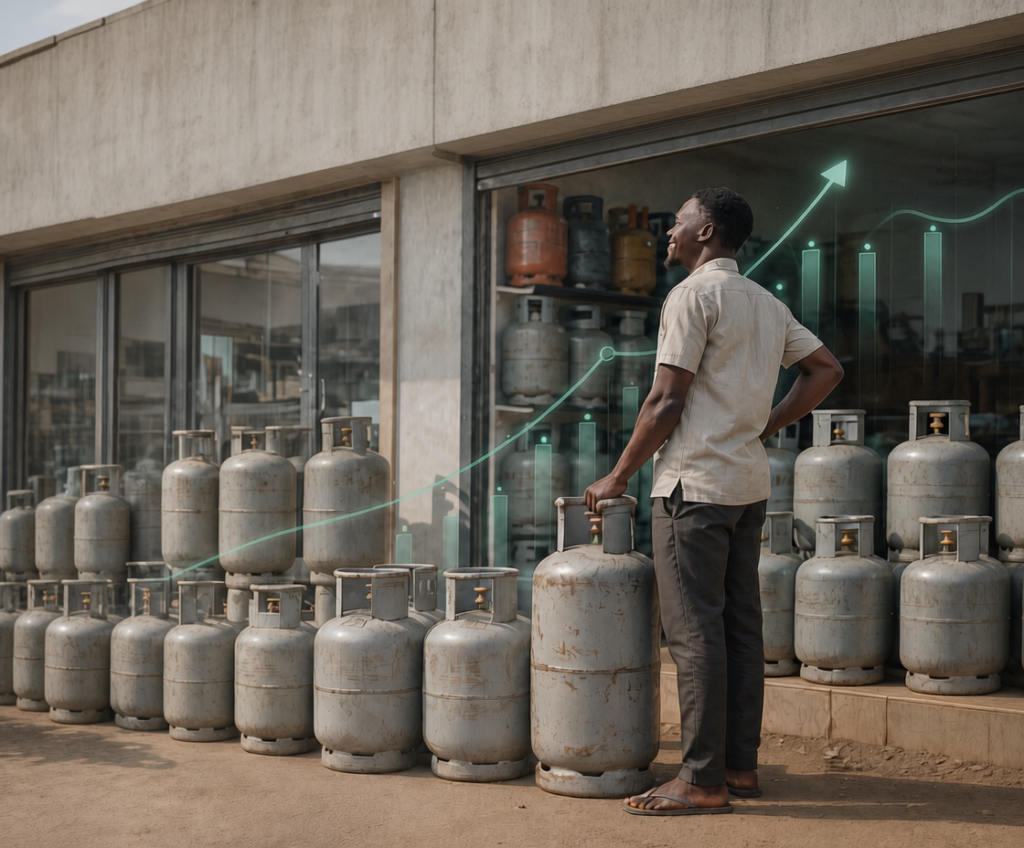
Small and growing LPG businesses across Rivers, Bayelsa, and Delta States are exploring a financing opportunity designed to support the expansion of their operations and increase access to clean cooking energy in underserved communities.
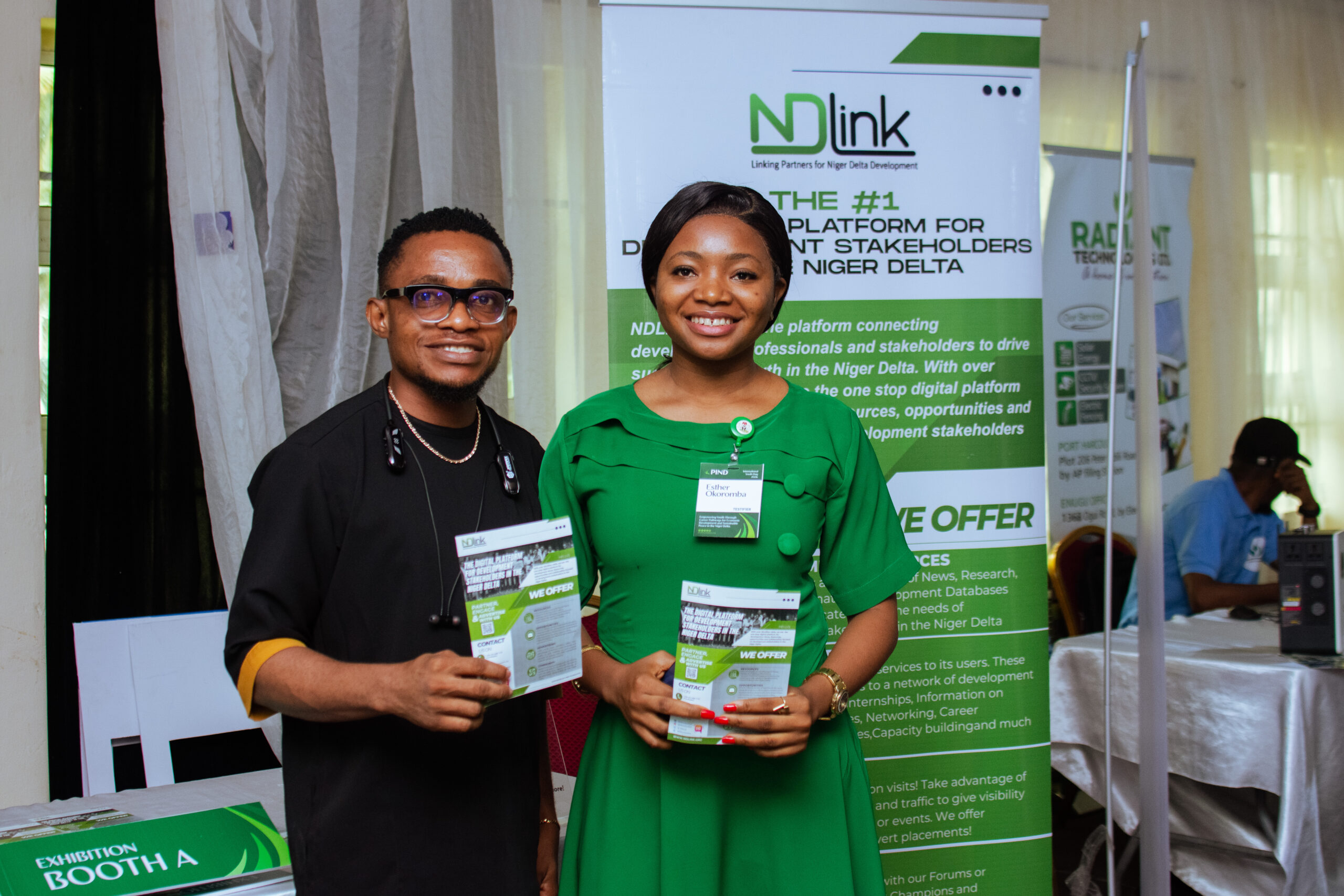
The opportunity was presented during a virtual information session facilitated by the Foundation for Partnership Initiatives in the Niger Delta (PIND), in partnership with the Bettering Human Lives Foundation (BHLF), and hosted by NDLink on August 28, 2026.
The session focused on the BHLF–PIND LPG Business Loan, providing LPG retailers, distributors, refilling plant operators, and other businesses across the value chain with information about the financing opportunity, including eligibility requirements, loan structure, and the application process.
Opening the session, Dr. Teslim Giwa, PIND’s Access to Energy Manager, welcomed attendees and highlighted the importance of connecting businesses in the LPG sector with relevant information and financing opportunities that can support their growth.
He noted that PIND’s engagement in the energy sector is focused on addressing barriers that limit access to clean energy while strengthening the businesses and market systems that can help expand its availability across the Niger Delta.
Addressing the Capital Gap
Speaking on behalf of BHLF, Dapo Oduba, Portfolio Manager, said access to capital remains a significant constraint for LPG businesses despite growing demand for the fuel.
Oduba explained that BHLF sees LPG as one of the fastest-growing energy segments, with significant opportunities for businesses that can expand distribution and improve access, particularly in underserved markets.
The financing is targeted at existing LPG businesses seeking growth capital, rather than start-ups. BHLF indicated that businesses that have operated for about three years or longer and can demonstrate a strong financial history are preferred.
The loan carries a 4% interest rate, with financing generally ranging from US$20,000 to US$200,000, depending on the size and nature of the business. Larger financing may be considered for businesses with significant expansion plans, with funds potentially disbursed in tranches based on agreed milestones.
BHLF also explained that collateral is typically not required. Instead, businesses are assessed based on their operating history, financial records, and ability to demonstrate how the financing will support growth and repayment.
Financing Businesses That Can Expand LPG Access
For BHLF, the financing is not simply intended to help existing businesses increase their market share. The Foundation is particularly interested in businesses that can deliver LPG to communities where access remains limited, and households continue to depend on firewood, charcoal, and other polluting fuels.
Anne Hyre, BHLF Director, explained that the Foundation’s focus is on improving the accessibility and affordability of LPG for cooking and supporting entrepreneurs who can help bring new users into the LPG market.
This includes businesses involved in last-mile distribution, refilling outlets, cylinder and stove manufacturing, and other activities that strengthen the LPG supply chain. BHLF reported that it has already provided loans to entrepreneurs operating in these areas.
For LPG operators serving rural and coastal communities, access to growth capital could help them increase distribution capacity, reach new customers, and strengthen the supply chain connecting clean cooking fuel to underserved households.
Helping Businesses Understand the Opportunity
Beyond introducing the financing, the session provided businesses with an opportunity to engage directly with PIND and BHLF representatives.
Participants asked questions about loan sizes, repayment, collateral, eligibility, processing timelines, and the documentation required to apply. BHLF clarified that repayments are generally expected in US dollars, although local-currency repayment may be considered on a case-by-case basis for smaller businesses and loan sizes.
Applicants will also be required to provide historical financial statements and financial projections showing how the proposed financing will support business growth and repayment. BHLF noted that the processing timeline depends largely on how quickly applicants provide the required information and projections.
PIND will support the process locally, serving as a point of contact for prospective applicants, while BHLF provides the financing. Businesses that receive loans will also be subject to regular follow-up and monitoring.
Strengthening the Clean Cooking Market
The engagement reflects a broader effort by PIND and its partners to strengthen the clean cooking ecosystem in the Niger Delta by addressing both demand-side and market-side barriers.
For businesses within the LPG value chain, access to appropriate financing can provide the capital needed to expand operations and reach underserved markets. For households and communities, stronger distribution networks can make clean cooking fuel more accessible and support the transition away from polluting cooking fuels.
Through NDLink, PIND continues to connect businesses and development actors with relevant information, partnerships, and opportunities that can contribute to enterprise growth and wider development across the Niger Delta.