
How Niger Delta Peace Champions Are Quietly Stopping Violence Before It Erupts Across Communities
July 3, 2026
JCI Garden City Empowers Student Leaders and Expands Access to Education Through AASIP 2026
July 30, 2026
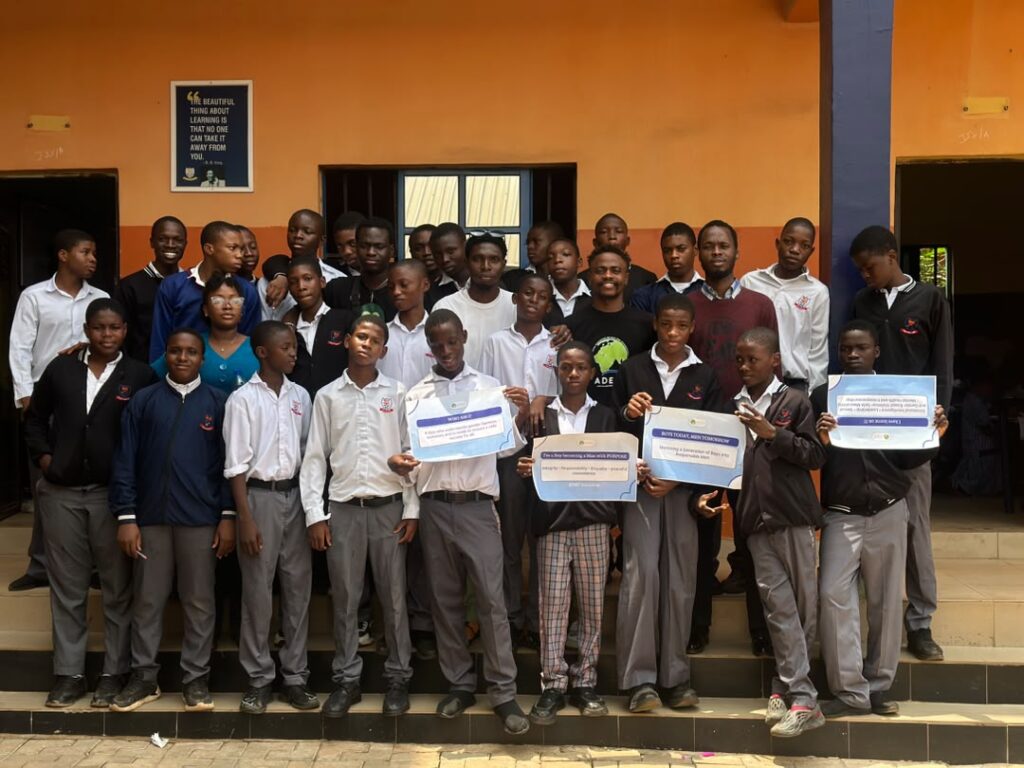
Growing into adulthood is about more than academic success. It is about developing the values, confidence, and life skills needed to make responsible decisions, build healthy relationships, and contribute positively to society.
Yet for many adolescent boys, conversations about emotional well-being, identity, healthy masculinity, leadership, and respect are often missing from traditional learning environments. Without positive guidance during these formative years, many young people are left to navigate these challenges, relying on peer influence and social expectations that can reinforce harmful behaviors and stereotypes.
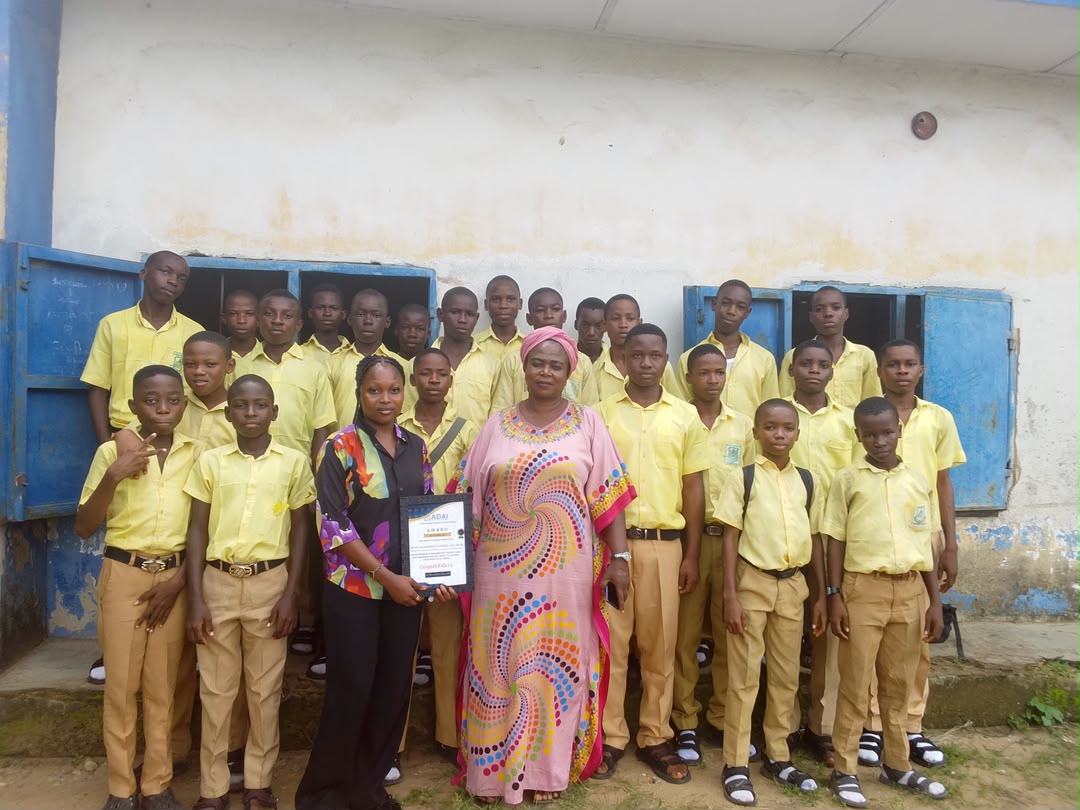
Recognizing the importance of early intervention, ADEMI Development Aid Initiatives (ADAI) implemented the Boys Today, Men Tomorrow (BTMT) Youth Intervention Project across the NYSC Secondary School, Calabar, Cross River State, and NexynGold Secondary School, Abuja. The initiative brought together adolescent boys for a series of interactive mentorship sessions designed to nurture responsible leadership, emotional intelligence, positive masculinity, and a deeper understanding of respect, consent, and peaceful coexistence.
Implemented over several weeks, the program combined practical learning with mentorship to help participants develop the knowledge, attitudes, and life skills required to thrive both in school and beyond.
Addressing a Critical Gap in Adolescent Development
The Boys Today, Men Tomorrow initiative was designed around a simple but important belief: investing in boys during adolescence creates the foundation for stronger families, safer communities, and more responsible future leaders.
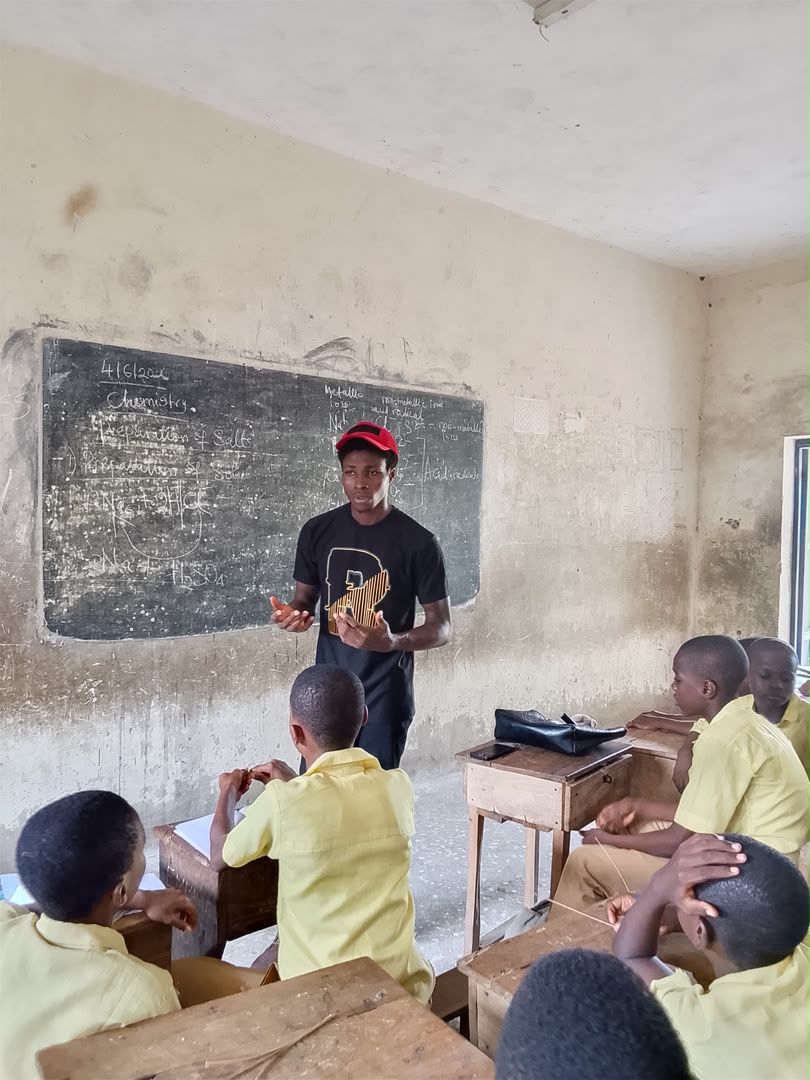
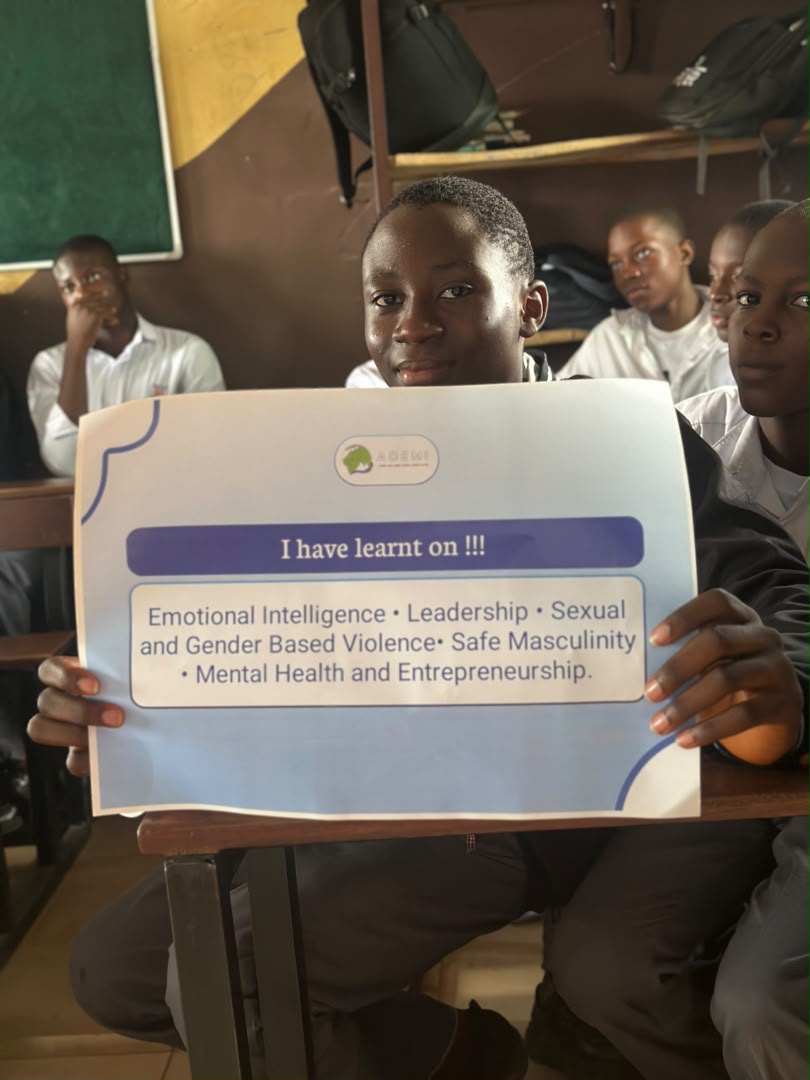
Across both schools, participants engaged in facilitated sessions covering leadership, communication, emotional intelligence, mental health, conflict resolution, healthy masculinity, identity, and the prevention of Sexual and Gender-Based Violence (SGBV). Through role plays, guided discussions, reflective exercises, and real-life scenarios, the program created safe spaces where students could openly ask questions, challenge harmful stereotypes, and develop healthier perspectives on manhood and personal responsibility.
At NexynGold Secondary School, participants were also introduced to the “Who Am I?” identity exercise and the Knowledge, Attitude, and Skill (KAS) framework, which encouraged them to reflect on the personal qualities, values, and practical competencies required to become responsible and productive members of society.
The intervention extended beyond knowledge sharing by equipping participants with learning materials and practical tools that supported continuous engagement throughout the programme.
Creating Safe Spaces for Learning and Growth
One of the program’s greatest strengths was the level of participation it inspired.
Across both schools, students actively contributed to discussions, shared personal experiences, and demonstrated a genuine willingness to engage with topics that are often considered difficult or overlooked in conventional classroom settings.
School leadership also welcomed the initiative, recognizing its contribution to students’ holistic development.
Speaking at the conclusion of the Calabar intervention, the Vice Principal (Special Duties) commended ADAI for delivering a timely program that complemented classroom education by addressing character development, responsible behavior, and positive social values. The school also received an award of appreciation in recognition of its partnership and commitment to youth development.
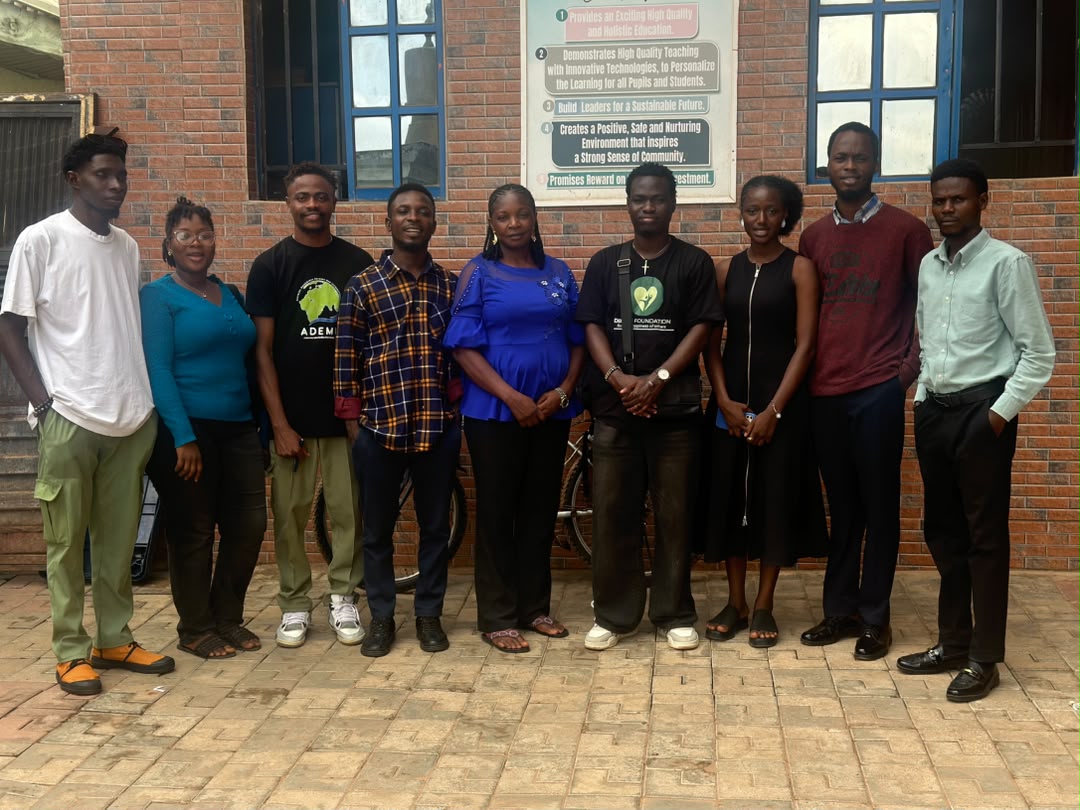
Similarly, the leadership of NexynGold Secondary School expressed appreciation for the program and reaffirmed its commitment to continued collaboration, describing the intervention as an important investment in the personal growth of its students despite disruptions caused by unforeseen scheduling and security challenges during implementation.
Building a Future of Responsible Leadership
Although implemented in two different schools and communities, the initiative shared a common purpose: preparing young boys to become responsible men who lead with integrity, empathy, and respect.
The program demonstrated that when young people are provided with safe spaces, trusted mentors, and opportunities for honest conversations, they become more confident in navigating the challenges of adolescence and better equipped to make positive choices that benefit themselves and their communities.
As ADAI continues to expand the Boys Today, Men Tomorrow initiative, the organization remains committed to strengthening character development among adolescent boys and fostering a generation of young men who reject violence, embrace equality, and contribute meaningfully to building safer, healthier, and more inclusive communities.