Why Agriculture Could Be the Next Big Opportunity for Young People in the Niger Delta
June 30, 2026
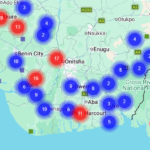
Niger Delta Quarterly Conflict Tracker: 2026 Q1
June 30, 2026
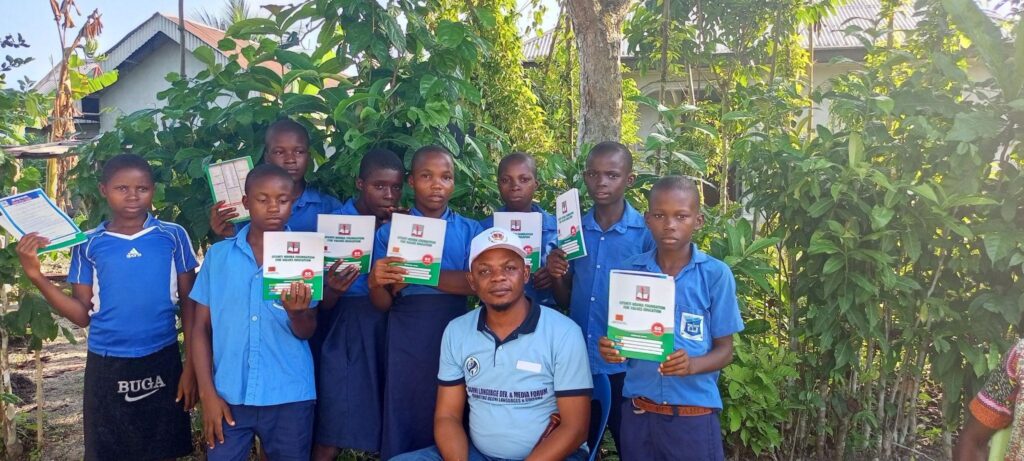
Preserving indigenous languages requires more than documenting vocabulary or celebrating cultural events. It depends on creating opportunities for younger generations and local communities to use, value, and transmit their languages in everyday life. As many indigenous languages face increasing pressure from urbanization and changing social dynamics, sustained public engagement has become essential to safeguarding cultural identity and heritage.
In June 2026, the Indigenous Language and Cultural Empowerment Foundation (ILACEF) strengthened its efforts to promote indigenous language preservation through strategic media advocacy and community engagement, creating platforms that encourage greater public participation in protecting local languages and cultural values.
Expanding Public Awareness Through Radio Advocacy
The media remain a key platform for promoting conversations on the importance of indigenous languages in community development. Through a series of live radio discussions, ILACEF engaged listeners on issues linking language, culture, youth development, and community participation. The programmes explored the role of indigenous languages in preserving cultural identity, strengthening intergenerational knowledge transfer, and encouraging young people to value their linguistic heritage.

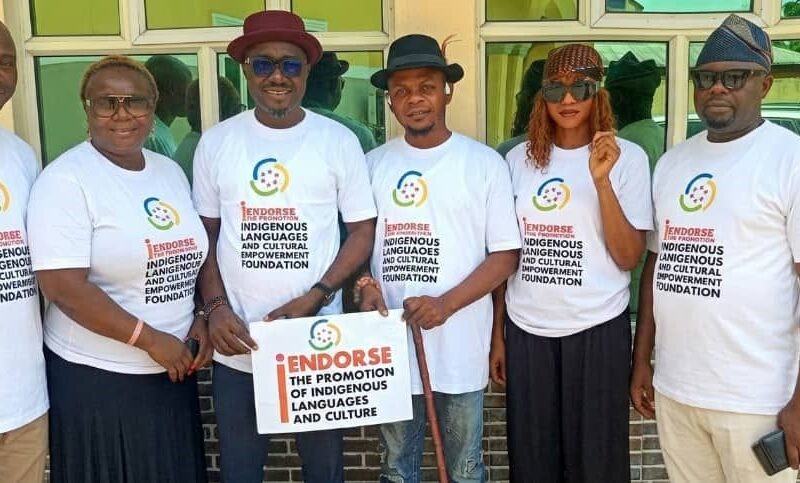
The Foundation also promoted its advocacy campaign, “Speak Your Language in Fighting Insecurity Today” (EP NU A LEE DO!), highlighting how indigenous languages can strengthen grassroots communication, community participation, and local approaches to addressing security challenges. By using accessible media platforms, ILACEF is helping expand public awareness while encouraging communities to recognize indigenous languages as important assets for cultural continuity and social development.
Encouraging Community Participation in Language Preservation
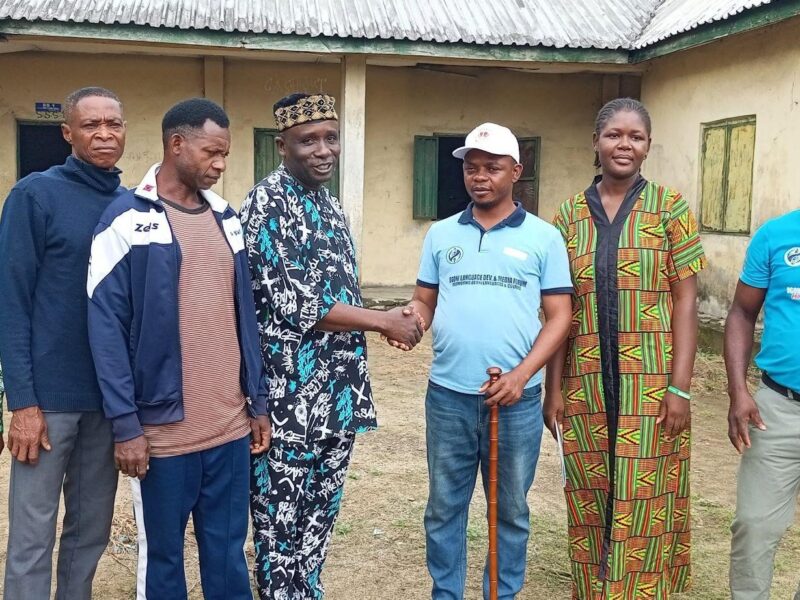
Beyond media engagement, the Foundation continued working with traditional leaders, community stakeholders, and educational institutions to encourage broader participation in indigenous language preservation initiatives.
These engagements promote local ownership of cultural heritage while creating opportunities for young people to appreciate, learn, and actively use their indigenous languages. By strengthening collaboration across communities and institutions, ILACEF is helping build an environment where indigenous languages remain relevant to future generations.
Building Stronger Foundations for Cultural Continuity
Language preservation is central to protecting cultural identity, strengthening social cohesion, and sustaining indigenous knowledge systems. Through continued advocacy, community engagement, and partnerships, ILACEF is contributing to efforts that ensure indigenous languages remain active instruments for education, community participation, and cultural development.
As these initiatives continue to expand, ILACEF is committed to fostering greater appreciation for indigenous heritage while strengthening the connections between language, identity, and sustainable community development.