Bridging the Gap: Youth Voices Shape Nigeria’s National Youth Policy in Rivers State
March 31, 2026
Niger Delta Weekly Conflict Update: April 05-11, 2026
April 14, 2026
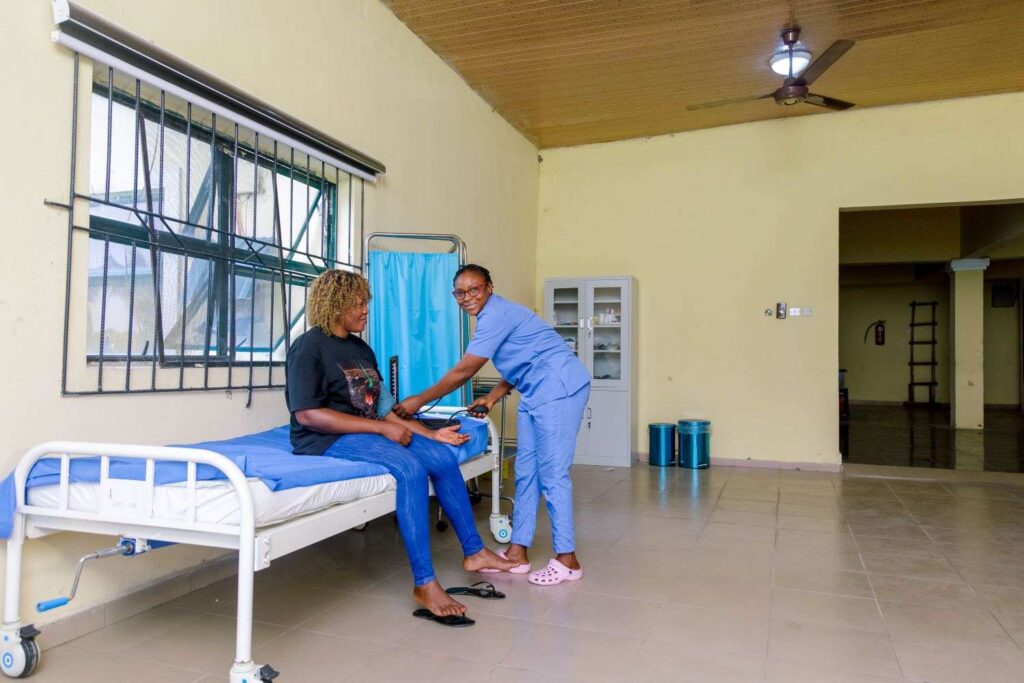
Every year on April 7, the global community observes World Health Day—a moment dedicated to the fundamental right of every individual to access high-quality health services. The theme for 2026, “Together for Health: Stand with Science,” is a call to celebrate the collaborative scientific achievements that protect our planet. Yet, across the Niger Delta’s riverine areas, one truth remains: modern medical science is only as effective as the infrastructure that powers it.
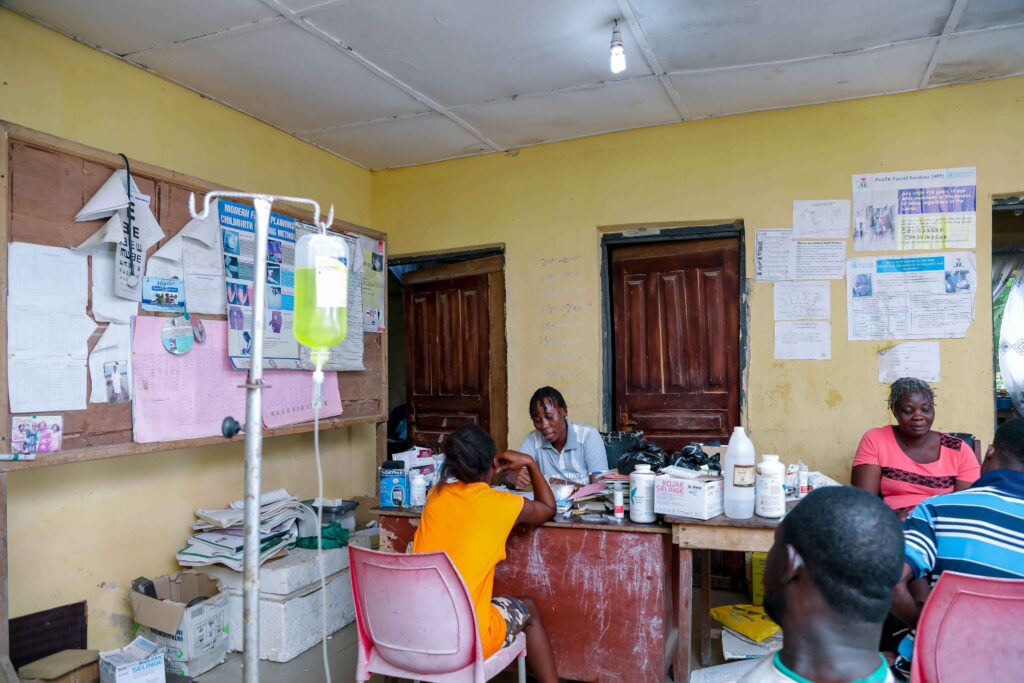
In most parts of the region, the disconnect from the national grid is a systemic barrier to survival. Coastal and last-mile communities remain at the far end of the development spectrum, where Primary Healthcare Centers (PHCs) are forced to choose between the prohibitive costs of petrol generators or operating in total darkness. When the sun sets in these locations as compared to urban cities, the reach of modern medicine retracts. This energy gap represents a silent crisis of exclusion, where geography dictates the quality of care and the “right to health” becomes a privilege reserved for the electrified.
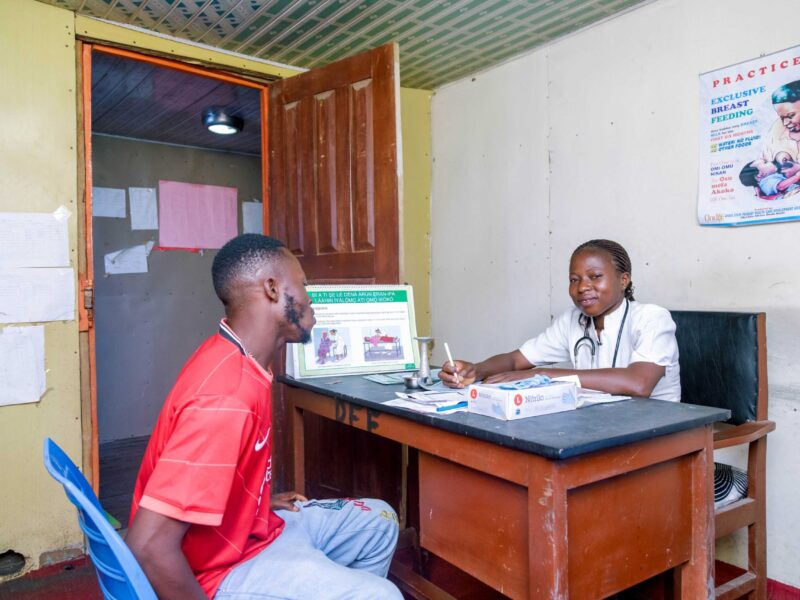
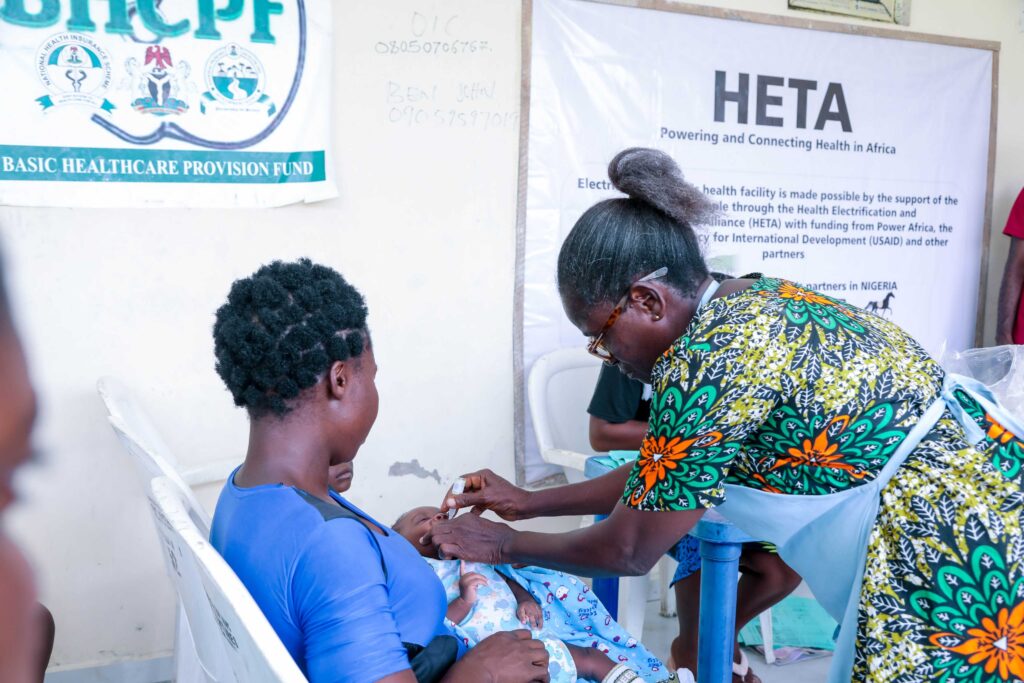
women and newborns. For a mother in labor at midnight in a coastal village, the absence of 24/7 power turns a natural process into a high-stakes situation. Without reliable electricity:
- Life-saving vaccines lose their potency when refrigeration fails, leaving children unprotected against preventable diseases.
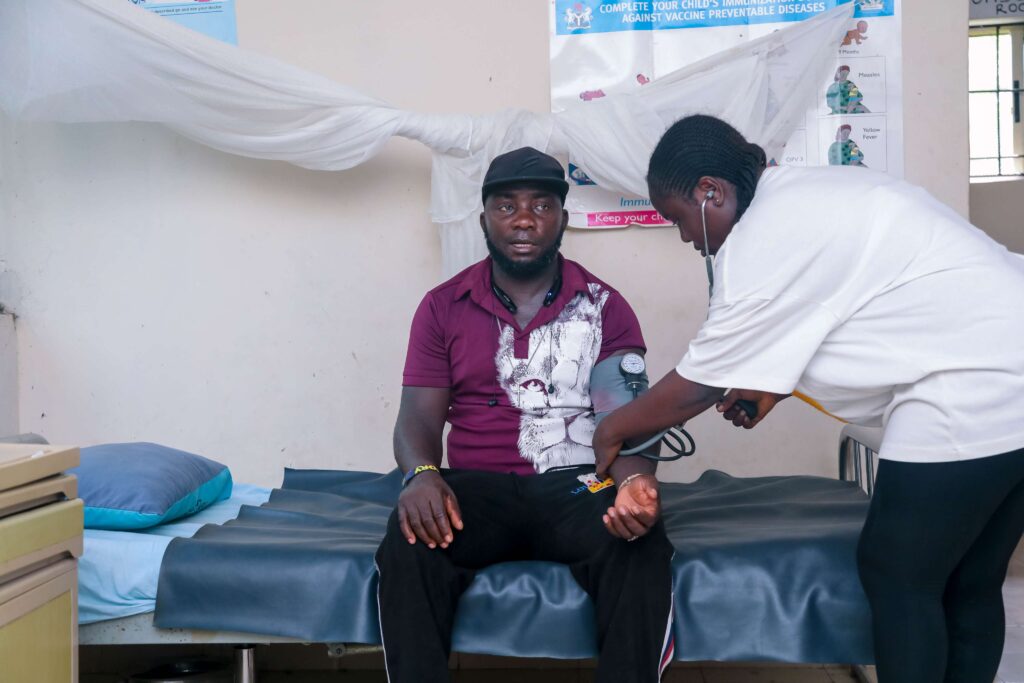
- Essential medical equipment remains idle, preventing the early detection of treatable complications.
- Midwives are often forced to conduct deliveries under the dim glow of mobile torches, increasing the margin for error during critical procedures.
Bridging this gap requires moving beyond traditional aid toward sustainable, science-backed interventions. In 2023, the Foundation for Partnership Initiatives in the Niger Delta (PIND) demonstrated this shift through its Access to Energy (A2E) program. In collaboration with the Power Africa HETA alliance, PIND facilitated the solar electrification of 12 PHCs across Delta, Ondo, and Bayelsa States.
This initiative established a resilient energy ecosystem. By integrating a tiered tariff system, surrounding micro-enterprises are connected to these solar mini-grids, creating a revenue-generating model that subsidizes the power needs of the clinics. This ensures that the scientific tools for safe deliveries and vaccine storage are powered 24/7, independent of the national grid.
The success of these interventions provides a clear roadmap for the government and private stakeholders. It proves that when communities are treated as partners in energy planning, health outcomes improve exponentially. To “Stand with Science” in 2026 is to invest in the renewable infrastructure that makes science possible in the “last mile.”
As we scale these models across the nine Niger Delta states, our mandate is clear: we must ensure that energy poverty no longer dictates health outcomes. High-quality healthcare must be reclaimed as a universal right, ensuring that in every corner of the Delta, when the clinics are powered, lives are saved.