Niger Delta Weekly Conflict Update: April 19-25, 2026
April 24, 2026
Strategic CSR: How the PIND-Okomu Partnership is Redefining Community Development in Edo State
April 24, 2026
In many parts of the Niger Delta, peace is often discussed, negotiated, and debated—but not always fully expressed. Histories of conflict and mistrust have shaped how communities engage, and in many cases, not every voice finds its way into the conversation.
But across communities in Delta State and Bayelsa State, a different approach is quietly reshaping that dynamic.
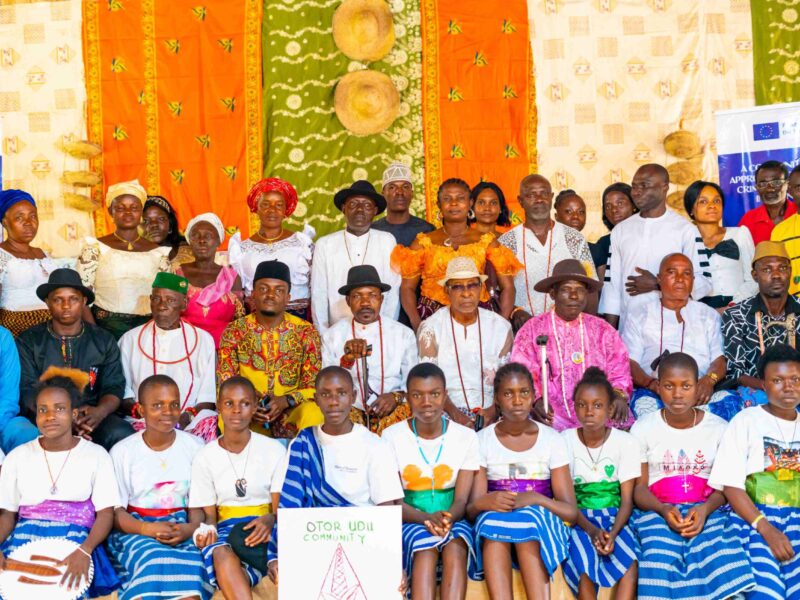
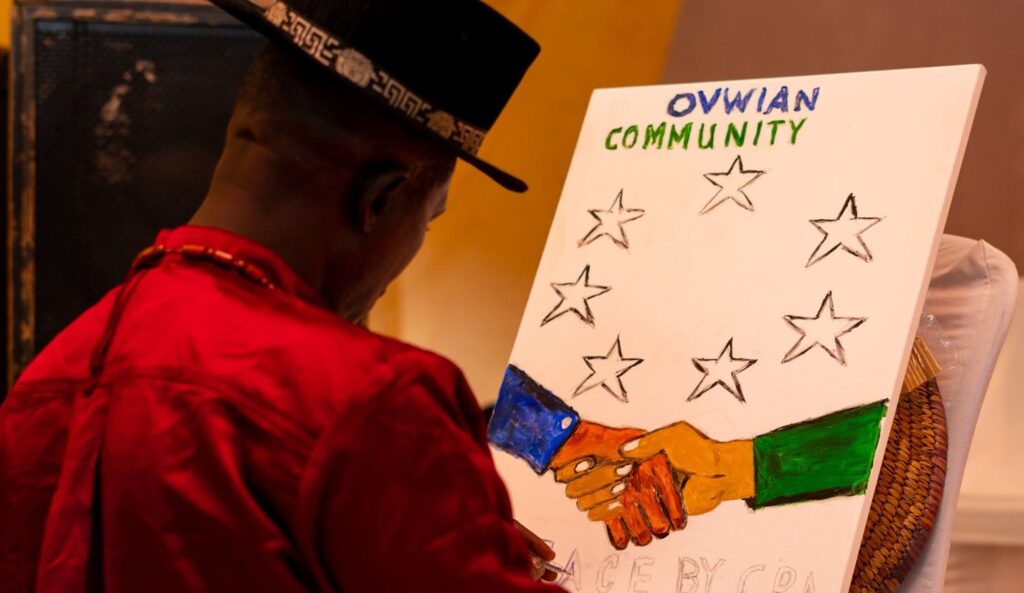
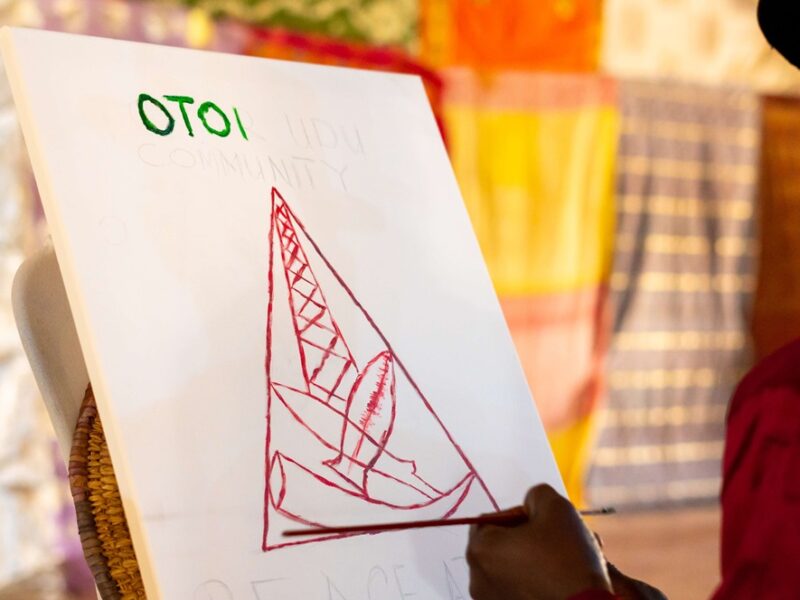
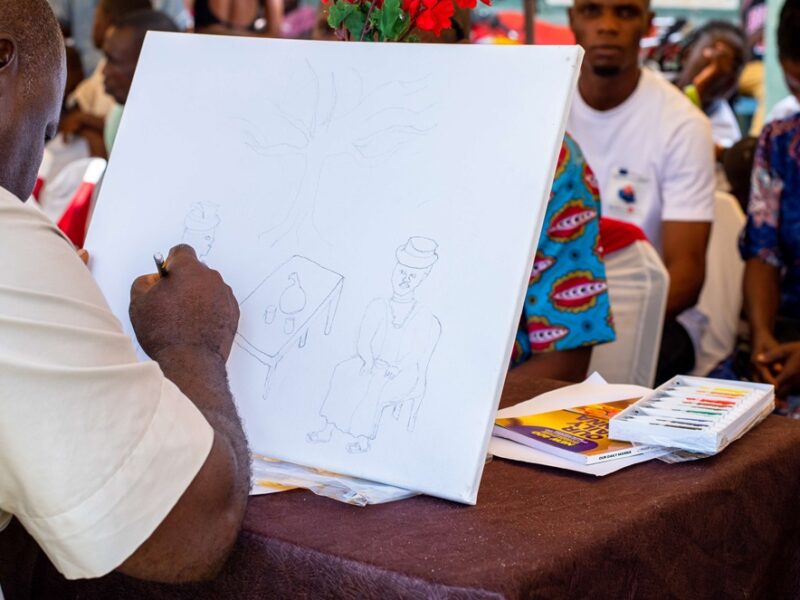
As part of a 2025 social cohesion initiative supported by the European Union and implemented by Search for Common Ground (SFCG), the Foundation for Partnership Initiatives in the Niger Delta (PIND), and Stakeholders Democracy Network (SDN), residents were asked a simple question: “What does peace look like to you?” The answers did not come in the form of speeches or statements. They came as drawings.
Participants translated lived experiences into visual stories—unity across divides, livelihoods as a source of stability, and reflections on both past conflict and future hope. What emerged was a powerful insight: peace here is practical, rooted in safety, dignity, and everyday life.
Key Outcomes: Shifting Narratives and Building Understanding
Beyond the artwork itself, the process reshaped how communities engaged with one another. The exercise created space for voices often left out of formal dialogue, making participation more inclusive and reflective.
As drawings were shared, conversations deepened. Assumptions were challenged, and new perspectives emerged. Art became a bridge—helping individuals see not just their own realities, but those of others.
Importantly, the initiative revealed that when communities define peace for themselves, the outcomes are more grounded and actionable. It moved peacebuilding from abstract ideals to lived priorities.
The Way Forward: Scaling Creative Approaches to Peacebuilding
The success of this approach highlights a clear opportunity: peacebuilding must become more participatory, locally driven, and adaptive.
For practitioners and stakeholders, this means integrating creative methods, such as art, into existing engagement strategies—not as standalone activities but as tools for dialogue, reflection, and co-creation.
Replicating this model across other communities can help deepen trust, strengthen social cohesion, and generate insights that inform more responsive interventions.
Ultimately, the lesson is simple but significant: sustainable peace is not imposed—it is expressed, understood, and built collectively.