How Informal Levies Undermine MSMEs in the Niger Delta
January 26, 2026
PIND, Saroafrica Sign MoU to Support Smallholder Agriculture and Youth Employment
February 10, 2026
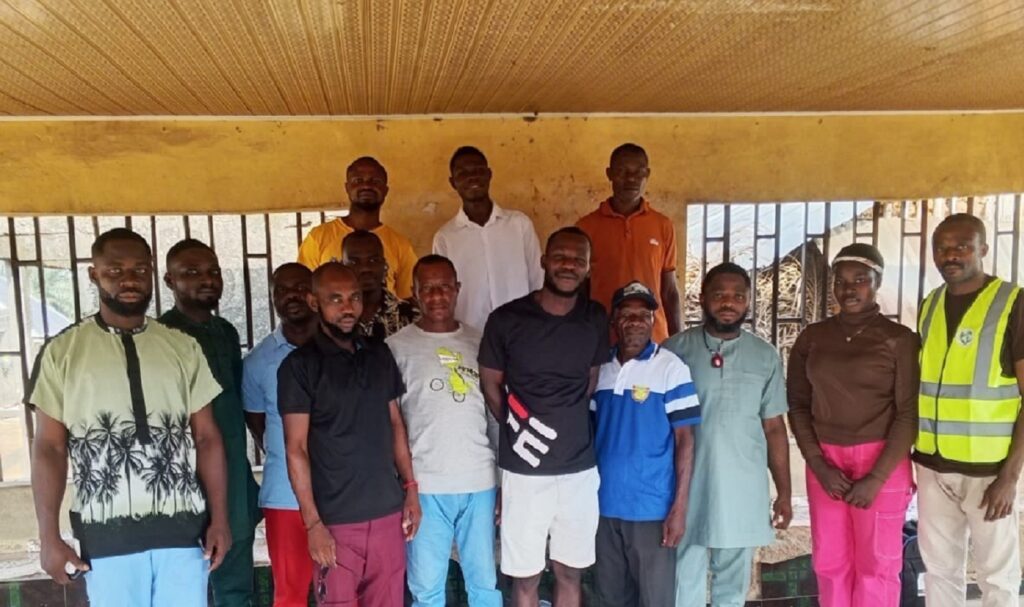
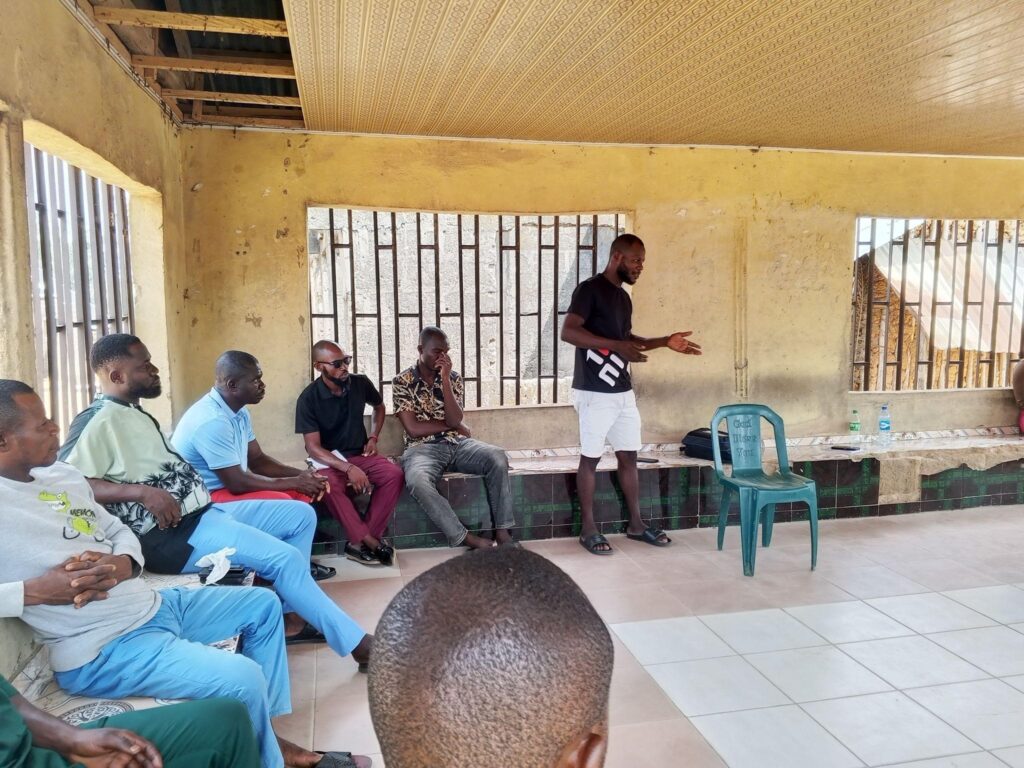
Selected communities across Yakurr Local Government Area in Cross River State are now benefiting from a strategic peacebuilding and early-warning response initiative designed to prevent communal conflicts before they escalate.
The program is led by Mr. ThankGod Oden, founder of the Ebase Sam Foundation (ESF), a veteran in peacebuilding who once held the very role his trainees now occupy. His leadership brings a full-circle story of impact: Oden himself was a beneficiary of PIND’s leadership and peacebuilding training, delivered in 2013 in partnership with the Centre for LSD and NDLink. Today, he is equipping his own region with the skills and tools needed to foster lasting stability.
Strategizing for Harmony in Five Priority Communities
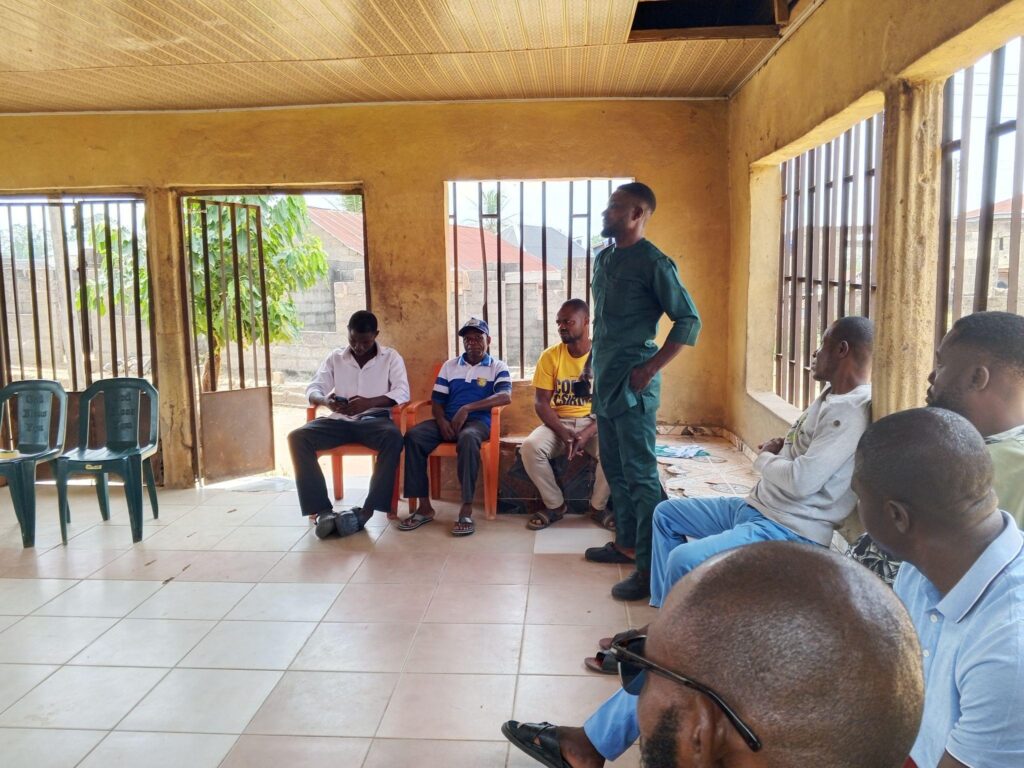
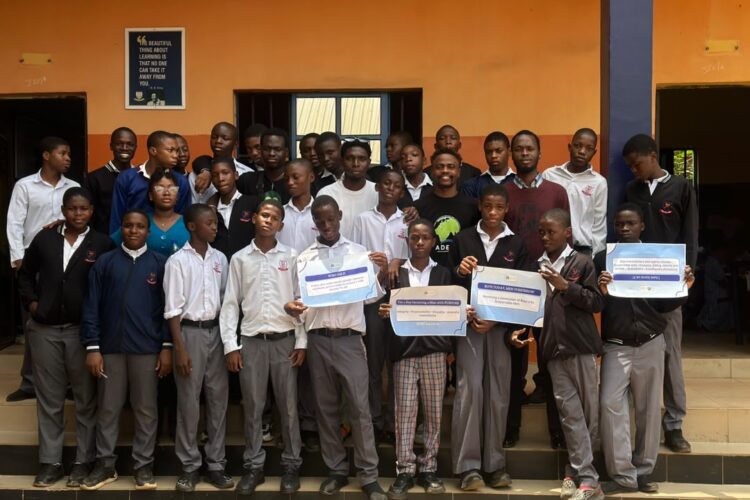
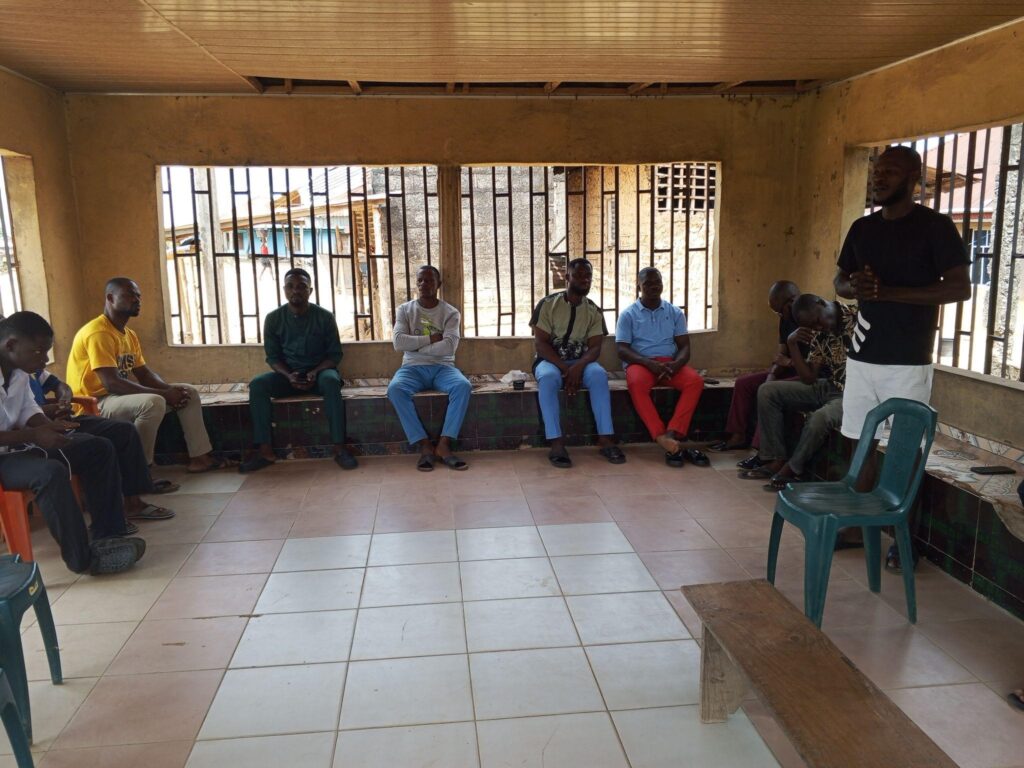
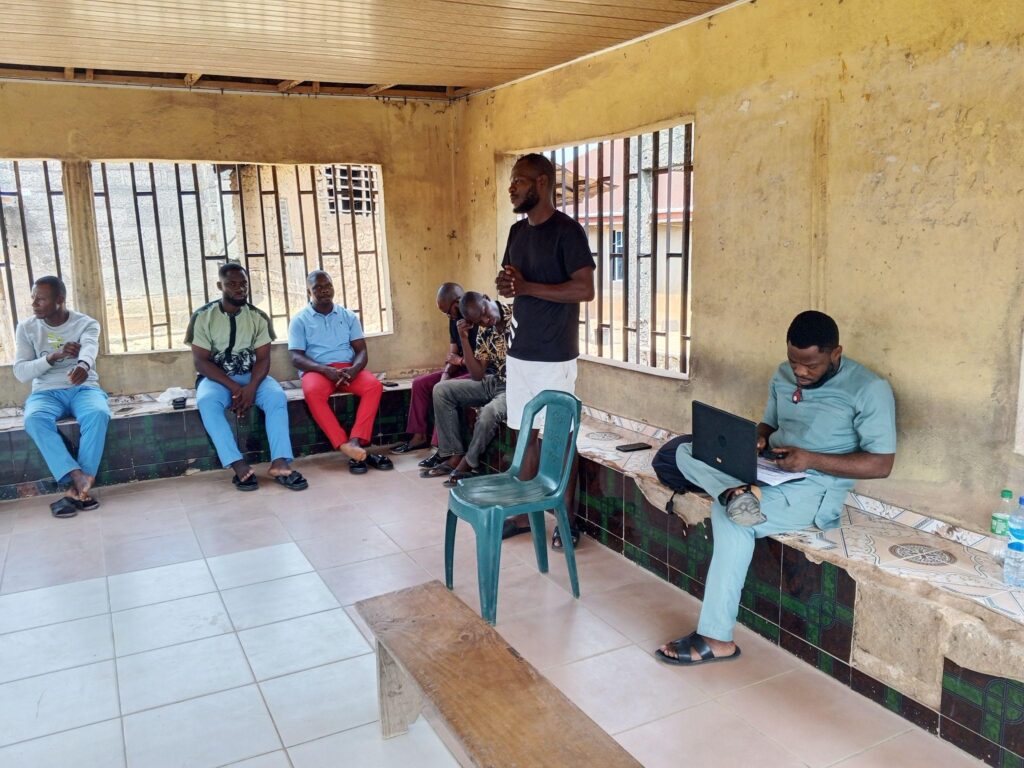
The one-day intensive training focused on five communities navigating complex social dynamics: Assiga Old Town, Assiga New Town, Ekpeti, Assiga Beach, and Inyima. Speaking from the Egbara Town Hall in Inyima, Mr. ThankGod Oden emphasized that the initiative’s goal was to decentralize peace. By equipping youth leaders, women leaders, and community chiefs with mediation and conflict analysis skills, the program ensures that peacebuilding becomes community-owned rather than an external service.
The Scale of the Impact
The work of Ebase Sam Foundation is a powerful example of how targeted support can ripple across generations. Since Oden’s time as a PIND trainee, the foundation has achieved remarkable milestones:
- Trained over 200 stakeholders across four critical conflict-prone zones.
- Empowered 35 women and youth through vocational and entrepreneurial programs to address economic drivers of conflict.
- Mobilized an Informal Peace Network, equipping ambassadors with non-violent communication skills.
“Having been a beneficiary of PIND’s programs, I understood the power of the tools I was given,” Oden remarked. “Bringing this knowledge back home is my way of turning lessons into lasting impact for my community.”
Closing the “Information Gap” in Conflict
At the heart of many local disputes lies a critical challenge: the absence of early warning mechanisms. Without them, minor misunderstandings can quickly escalate into broader crises. This training equipped 15 participants, both in-person and virtually, with the tools and framework of the Early Warning & Early Response (EWER) system, giving communities the ability to act before tensions spiral.
The 2026 Vision: Sustainability and Ownership
The January session marks just the first chapter of ESF’s ambitious 2026 expansion. Between February and March, the foundation plans to extend its training to Nko and Onyedama, and launch Peace Clubs in secondary schools—a strategy to instill conflict-resolution skills early.
Reflecting on the initiative, Oden emphasized that, like major infrastructure projects, the sustainability of peace depends on community ownership. He urged all stakeholders to protect and nurture the dialogue channels created during the sessions, treating peace as a shared public asset that must be maintained for generations to come.