Niger Delta Weekly Conflict Update: January 18-24, 2026
January 23, 2026
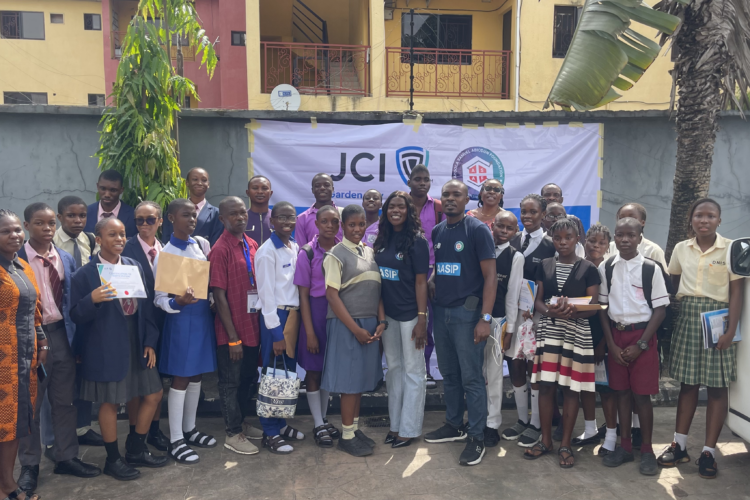
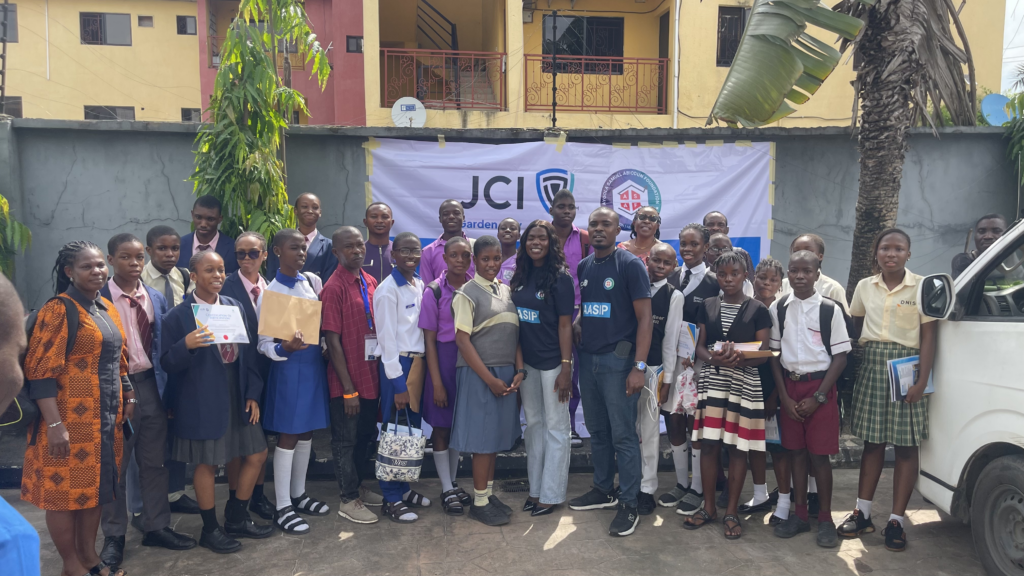
Building Local Systems for Peace Across Cross River State
January 26, 2026
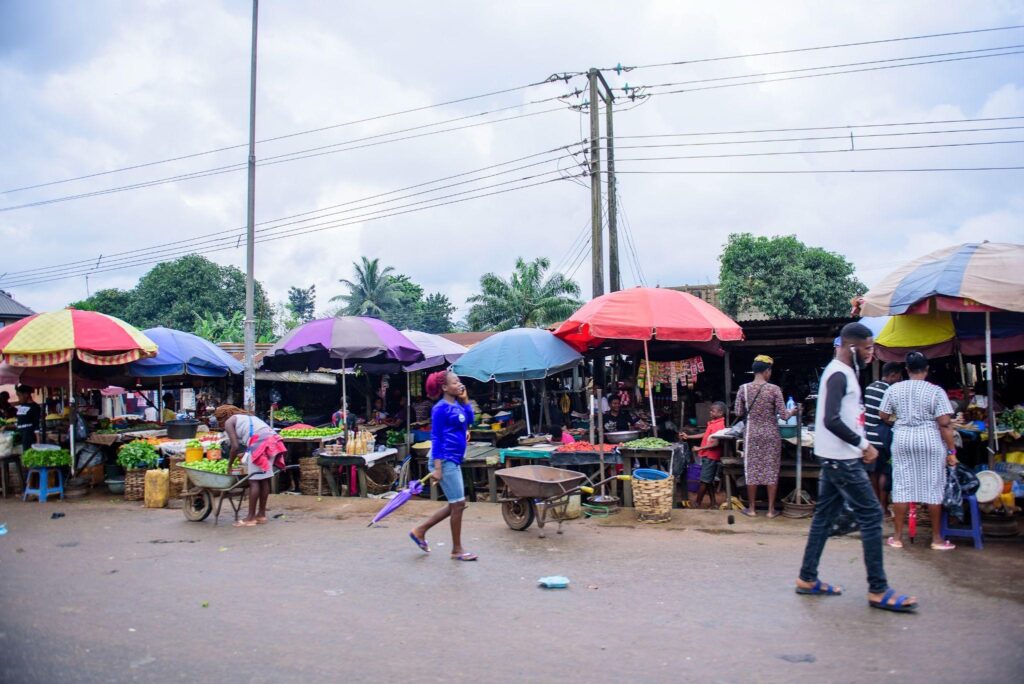
As Nigeria moves into a new fiscal era shaped by tax reforms aimed at harmonising revenue collection and improving predictability, attention is shifting to the long-standing barriers that limit private sector growth, especially relating to small businesses. While these reforms promise greater structure, many small businesses in the Niger Delta are still burdened by fragmented and poorly coordinated tax systems.
Across the region, micro, small, and medium enterprises (MSMEs) are central to economic life—creating jobs, sustaining households, and driving innovation. Yet their potential is undermined by multiple taxation and illegal levies. These range from overlapping government charges to unauthorized collections by informal actors, creating a hostile business environment. Civil society and development partners are increasingly responding through research, dialogue, and policy advocacy to address these constraints.

How Informal Levies Surpress Local Innovation
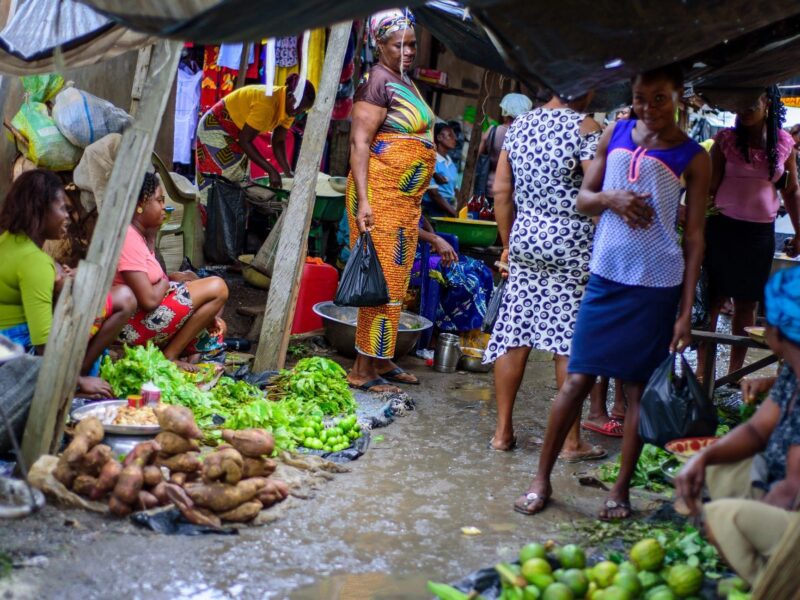
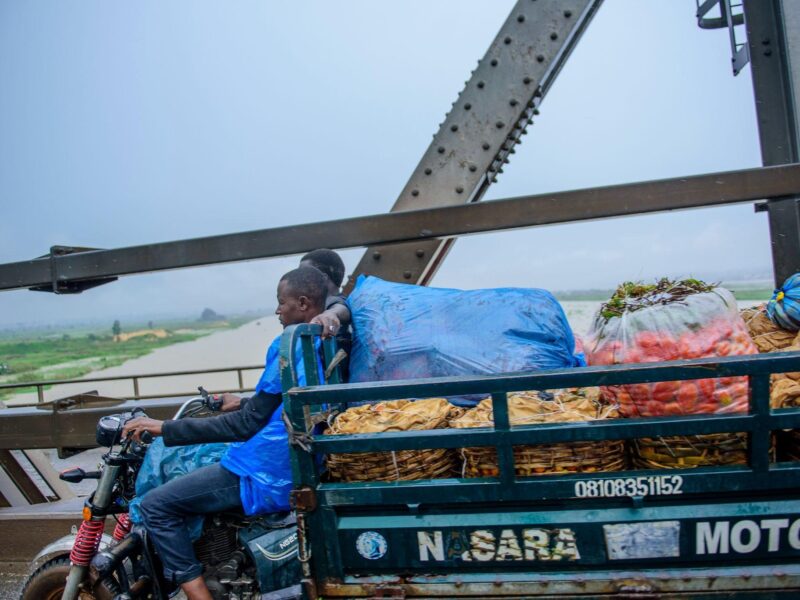
In practice, multiple taxation is compounded by a maze of “nuisance taxes” and informal fees. These often appear as daily or weekly collections at markets and transit points, enforced by individuals claiming to represent various interests. For traders and farmers, a single trip can require paying several “offloading” or “movement” fees to different groups—without receipts or accountability.
Beyond the financial drain, these practices deepen poverty and discourage reinvestment. Harassment and arbitrary charges erode profits, force business closures, and weaken the entrepreneurial drive that should be powering regional growth.

From Data to Action: PIND’s Strategic Intervention
To confront this challenge with evidence, PIND conducted a multi-state assessment in 2022 across Abia, Delta, and Rivers States. The findings revealed weak coordination across government tiers and tax systems that unintentionally penalize business expansion.
In response, PIND convened civil society groups, government agencies, market associations, and private sector actors to pursue joint solutions. This collaboration led to the creation of the Technical Working Group (TWG) on Tax Reforms in 2025, an institutional platform focused on simplifying tax structures and addressing illegal levies.
To keep the issue visible, PIND also launched a six-part documentary series capturing the lived experiences of MSMEs and smallholder farmers. The series reframes taxation from an abstract policy issue into a real development challenge affecting livelihoods and innovation.
Looking Ahead: A Vision for Tax Harmonization
As national reforms advance, the focus must extend beyond revenue collection to tax harmonization and digitalization. A unified, transparent payment system can reduce harassment, improve accountability, and restore trust.
Success depends on making tax policies simple and understandable for traders and artisans, while linking revenue to visible public services. The goal is a Niger Delta where taxation supports enterprise, encourages compliance, and becomes a foundation for shared prosperity rather than a barrier to growth.
Curious to learn how PIND is influencing policies and advocating for sustainable economic change? Visit: https://pindfoundation.org/project/advocacy/