Group Awards 650 MSME Grants, Creates 20,000 Jobs to Drive Entrepreneurship in the Niger Delta
December 15, 2025
Niger Delta Weekly Conflict Update: January 11-17, 2026
January 16, 2026

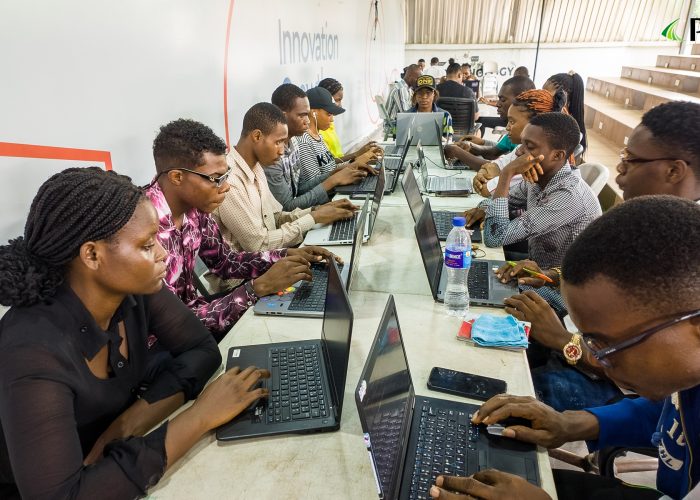
Across the Niger Delta region, building the skills and capacity of youths has become a central priority for governments, development partners, and community organizations working to address unemployment and expand economic opportunities. But while skills training initiatives have multiplied over the years, many still struggle to translate new skills into long-term livelihoods. This gap is pushing the region toward a more strategic understanding of youth development, one driven by policy reforms, stronger collaboration, and systems thinking.
A Region with Growing Potential, but Persistent Barriers
The Niger Delta is home to one of the largest youth populations in Nigeria. With expanding sectors such as agribusiness, ICT, renewable energy, and creative industries, the region holds significant opportunities for meaningful employment. Yet many young people still lack access to the training, mentorship, and financial pathways needed to participate in these sectors competitively.
For thousands of graduates and non-graduates alike, the challenge is not ambition; youth in the region are eager, entrepreneurial, and adaptable. The challenge is access: access to modern skills, industry-aligned training, business capital, and supportive policies.


Why Policy Matters More Than Ever
No matter how effective individual programs are, sustainable youth development depends on the policies that govern skills acquisition, enterprise creation, and job matching. Without updated TVET standards, training centres teach outdated curricula. Without access to finance reforms, young entrepreneurs remain locked out of credit. Without public–private apprenticeship incentives, employers have little motivation to hire entry-level talent.
Policies that support digital innovation, simplify MSME registration, expand skills financing, strengthen TVET infrastructure, and encourage private-sector collaboration can significantly amplify the impact of ongoing initiatives.
Organizations Driving New Models of Capacity Building
In recent years, several institutions and entities have adopted more structured approaches. An example of such organizations is the Foundation for Partnership Initiatives in the Niger Delta (PIND), which continues to play a significant role through its Youth Employment Pathways (NDYEP) model, which links training providers to employers and ensures skills align with labour market needs.


Recently, the Foundation launched a ₦113 million TVET Facilities Upgrade Grant to modernize and expand 14 Technical and Vocational Education and Training (TVET) centers across the Niger Delta. The initiative aims to strengthen the region’s skills development ecosystem by upgrading infrastructure, improving training delivery, and enhancing the long-term sustainability of institutions operating in ICT, Building Construction, Agriculture, and Services.
The Way Forward
For the Niger Delta, the next phase of youth capacity building must focus on systems, not events. Strengthening policy frameworks, deepening partnerships, enhancing access to finance, and ensuring training aligns with market realities will determine whether the region can convert its youth population into a workforce that drives inclusive growth.
If these elements align, the Niger Delta will not only train its young people but also empower them to lead the region’s economic transformation.