Niger Delta Weekly Conflict Update: November 16-22, 2025
November 21, 2025
Upholding Heritage and Nature: Delta State Tourism Board Explores Warri’s Cultural and Ecological Treasures
November 25, 2025
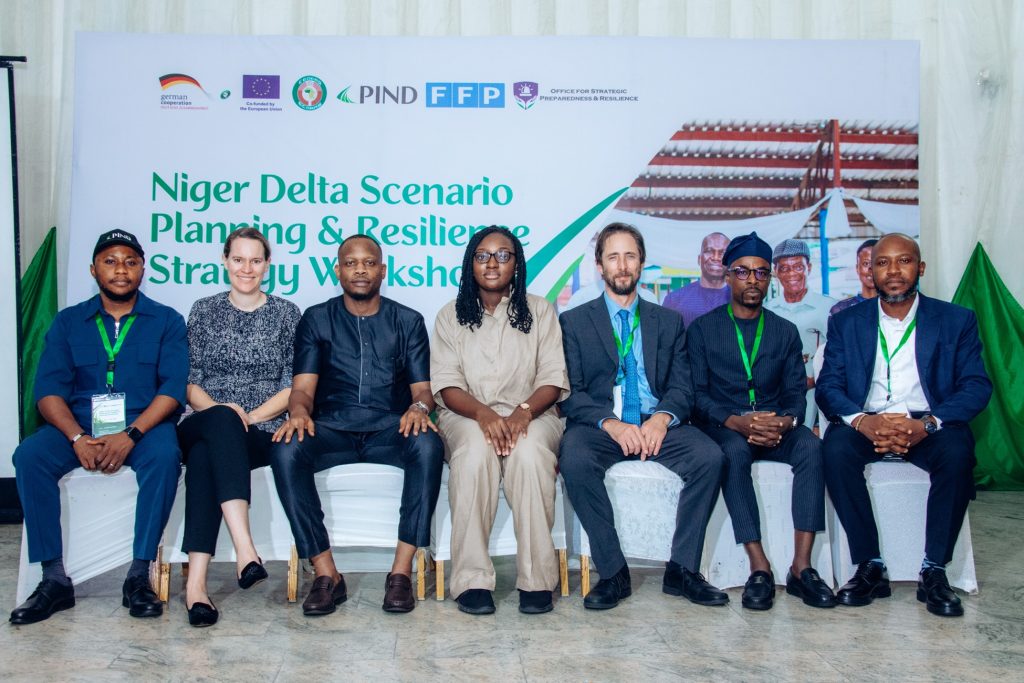
In a major push to boost crisis preparedness, Niger Delta stakeholders came together in Port Harcourt for a three-day Scenario Planning Workshop on Resilience—uniting minds, data, and ideas to build a more secure future for the region.
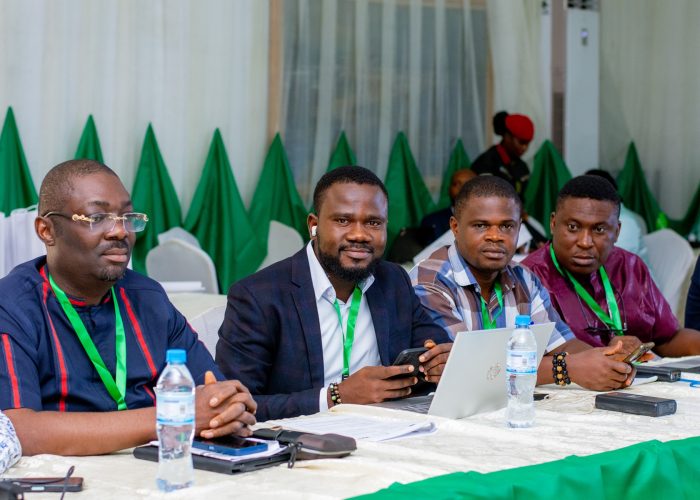
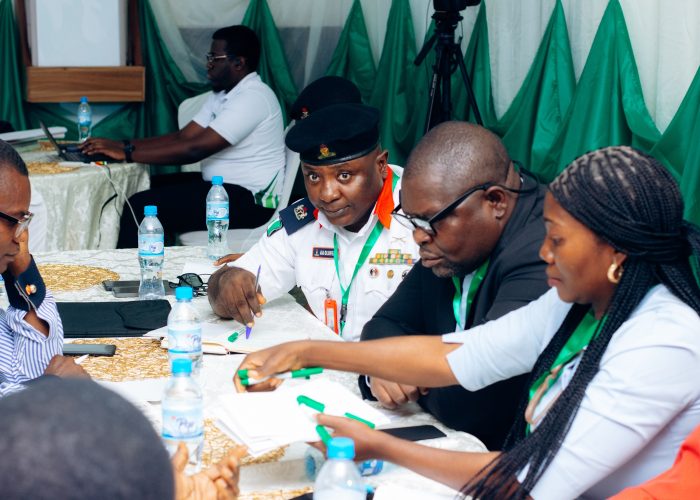
The Foundation for Partnership Initiatives in the Niger Delta (PIND), in collaboration with the Deutsche Gesellschaft für Internationale Zusammenarbeit (GIZ) GmbH, the Office for Strategic Preparedness and Resilience (OSPRE), and The Fund for Peace (FFP), convened over 50 stakeholders from government, civil society, academia, and the private sector.
Supported by the ECOWAS Peace, Security and Governance (EPSG) Project—co-financed by the European Union (EU) and the German Federal Ministry for Economic Cooperation and Development (BMZ)—the workshop strengthened regional capacity to anticipate and respond to emerging risks, including climate shocks, insecurity, and governance challenges.
Data and Foresight as Tools for Resilience
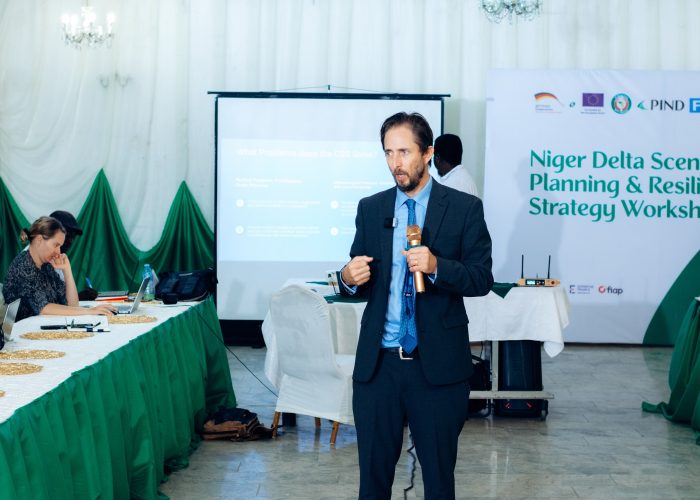
Held under the theme “From Risk to Resilience: Building a Future-Ready Niger Delta,” participants explored advanced analytical tools for stronger regional planning. These included the Fragile States Index (FSI), State Resilience Index (SRI), and Crisis Sensitivity Simulator (CSS)—all enhanced with AI-powered risk modeling developed by The Fund for Peace and SAS.
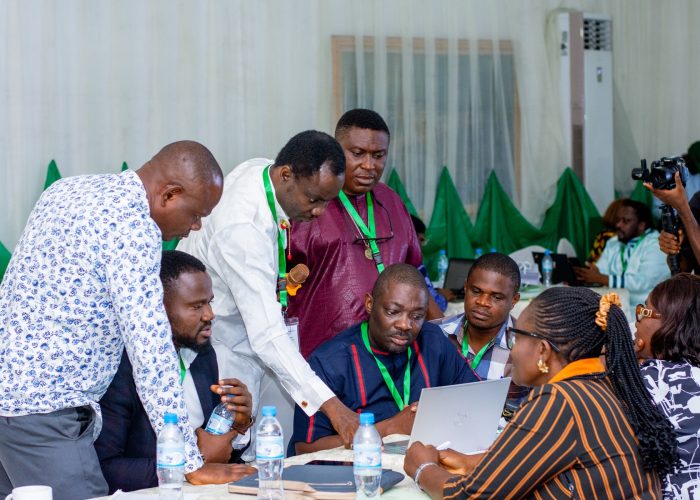
Through practical group exercises, participants analyzed systemic vulnerabilities using AI and designed locally relevant response strategies to challenges peculiar to the region.
Building Partnerships for Anticipatory Governance
Speaking on behalf of PIND’s Executive Director, Mr. Sam Ogbemi Daibo, PIND’s Advocacy Manager, Mr. Chuks Ofulue, highlighted the importance of foresight, collaboration, and PIND’s 15-year commitment to strengthening regional resilience.
“The Niger Delta’s future depends on our ability to anticipate challenges rather than react to them,” Ofulue said. “Through partnership and data-driven foresight, we can turn uncertainty into opportunity and make resilience a shared responsibility.”
Reinforcing this message, Dr. David Udofia, PIND’s Peacebuilding Manager, emphasized the importance of linking community preparedness to institutional early warning systems.
“Resilience is not a one-off effort—it’s a system,” Udofia noted. “By connecting data, institutions, and communities, we are moving from reactive crisis management to anticipatory governance that saves lives and strengthens peace.”
Key Outcomes of the Workshop
The strategic workshop generated insights and frameworks that will guide future resilience efforts across the region, including:
● Development of a Niger Delta Resilience Strategy, outlining regional mechanisms for coordinated preparedness and response.
● Creation of a scenario planning report capturing lessons, data models, and insights applicable to other parts of Nigeria.
● Strengthened inter-agency coordination among peacebuilding, emergency response, and environmental actors.
● Enhanced capacity of civil society and local institutions to use data and analytics for proactive resilience planning.
● Integration of climate and peace data systems into existing frameworks through PIND’s Partners for Peace (P4P) Network and Early Warning and Early Response (EWER) structures.
Looking Ahead
Following the workshop, PIND and its partners will consolidate the outcomes into a comprehensive Niger Delta Resilience Strategy and Action Plan. The findings will also inform broader regional and national frameworks under the ECOWAS Peace, Security and Governance Project.
By linking data, foresight, and collaboration, the initiative marks a significant step forward in transforming how the Niger Delta prepares for and responds to emerging risks, turning knowledge into action for a more resilient region.