 Mary Joseph
On Friday, November 20, 2026, tragedy struck the riverine communities of Southern Ijaw Local Government Area in Bayelsa State when a passenger boat carrying mourners from Ayama to Ukubie capsized on the Nun River near the Oweikorogha–Otuan River junction. As search, recovery, and investigative efforts continue, with the confirmed death toll rising to more than 30, communities across the Niger Delta are once again confronted with a sobering reality: our waterways, which serve as the lifeblood of regional commerce, social connection, and daily mobility, remain acutely vulnerable to preventable tragedies.
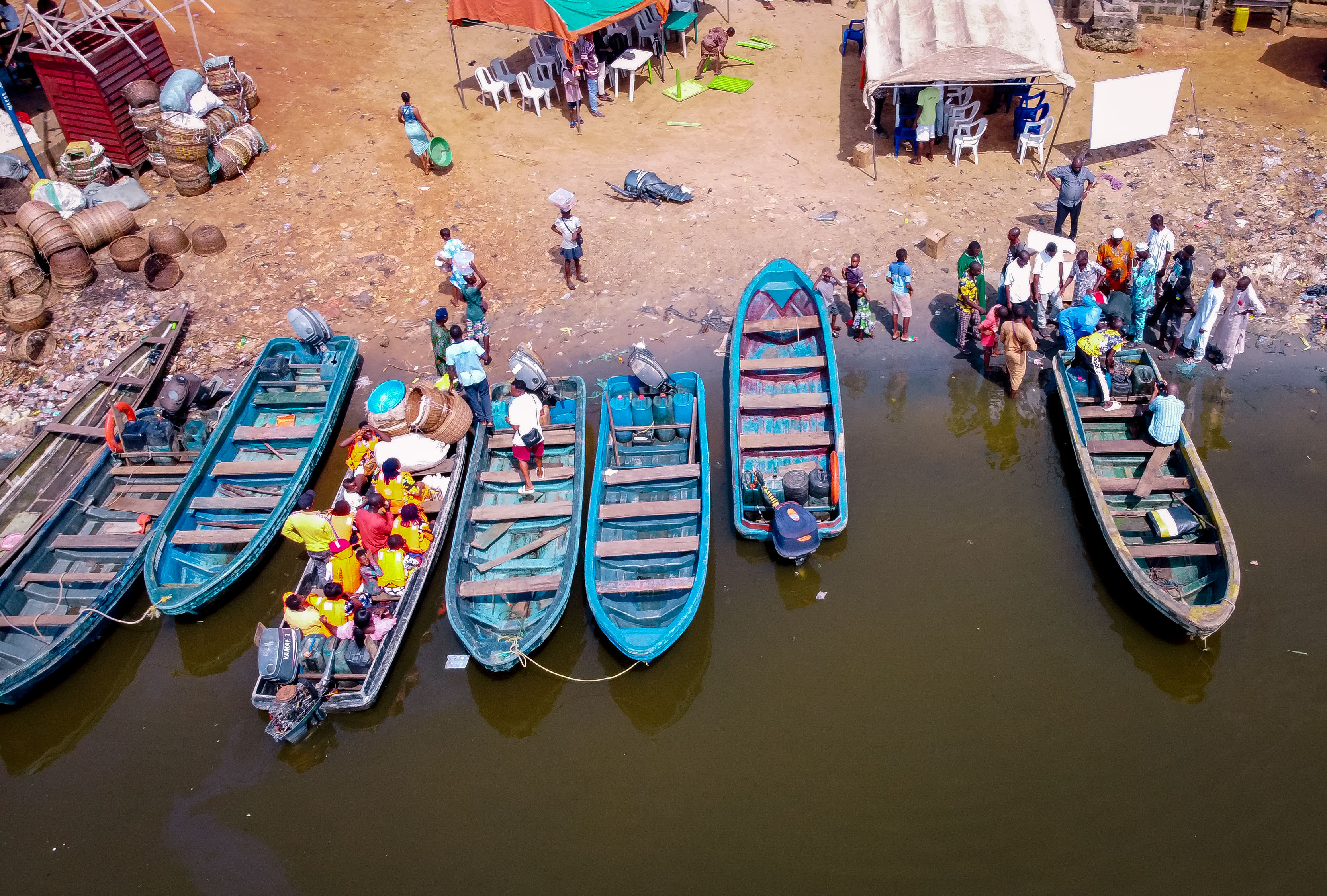
For millions of residents living in riverine and coastal settlements across Bayelsa, Rivers, Delta, Akwa Ibom, and Ondo states, water transport is not merely an alternative mode of transit; it is the primary highway. Farmers move produce to market, traders sustain household livelihoods, students commute to school, and families gather for milestones, all depending daily on boats and barges. Yet recurring maritime mishaps expose deep-seated systemic safety gaps that demand urgent, coordinated reform beyond cycles of condolence statements and reactive investigations.
Preliminary accounts surrounding the November 20 incident and the subsequent deployment of investigators by the National Inland Waterways Authority (NIWA), alongside state emergency responders, underscore persistent operational hazards across the region’s inland water transport network. Aging wooden vessels and poorly maintained engines frequently operate without routine seaworthiness certification, while unregulated passenger and cargo loads during communal gatherings and market days severely compromise vessel stability. Compounding these risks is a widespread shortage of basic lifesaving equipment, as life jackets at many rural jetties are either unavailable, degraded, or treated as optional rather than mandatory. When emergencies inevitably occur along remote creeks and river junctions, local fishermen and community volunteers are routinely forced to serve as first responders long before formal search-and-rescue teams can arrive.
Safeguarding the Niger Delta’s waterways requires moving decisively from reactive mourning to sustained, grassroots enforcement and infrastructure investment. Regulatory agencies such as NIWA, working in close alignment with state transport ministries, maritime unions, and jetty masters, must institute uncompromising gatekeeping at every waterside, enforcing a strict “no life jacket, no boarding” standard alongside mandatory pre-departure vessel inspections and accurate passenger manifests. Simultaneously, because riverine residents are always closest to the scene of an incident, equipping local youth volunteers, marine workers, and community surveillance networks with basic water-rescue gear, communication tools, and first-aid training can drastically reduce fatalities during the critical first hour of an emergency.
Long-term resilience also depends on modernizing physical infrastructure and shifting public safety culture. Clearing encroaching water hyacinths, marking submerged wrecks and hazardous river junctions, and investing in safer, purpose-built passenger ferries will protect both human lives and the regional blue economy. Equally vital is the role of civil society organizations, traditional rulers, and faith-based leaders in fostering community accountability, empowering passengers to reject overloaded or unseaworthy vessels before they leave the shore.
The lives lost along the Ayama–Oweikorogha–Ukubie corridor represent parents, breadwinners, youth, and community pillars whose deaths were avoidable. Honoring their memory demands turning collective grief into lasting institutional accountability, ensuring that maritime safety standards are upheld not only in policy documents and state capitals, but at every rural jetty across the Niger Delta.
Join the Conversation on NDLink: How is your organization, maritime union, or community advancing water transport safety and emergency preparedness in the Niger Delta? Share your insights, policy recommendations, and grassroots initiatives on NDLink to help build safer waterways for all.