 Mary Joseph
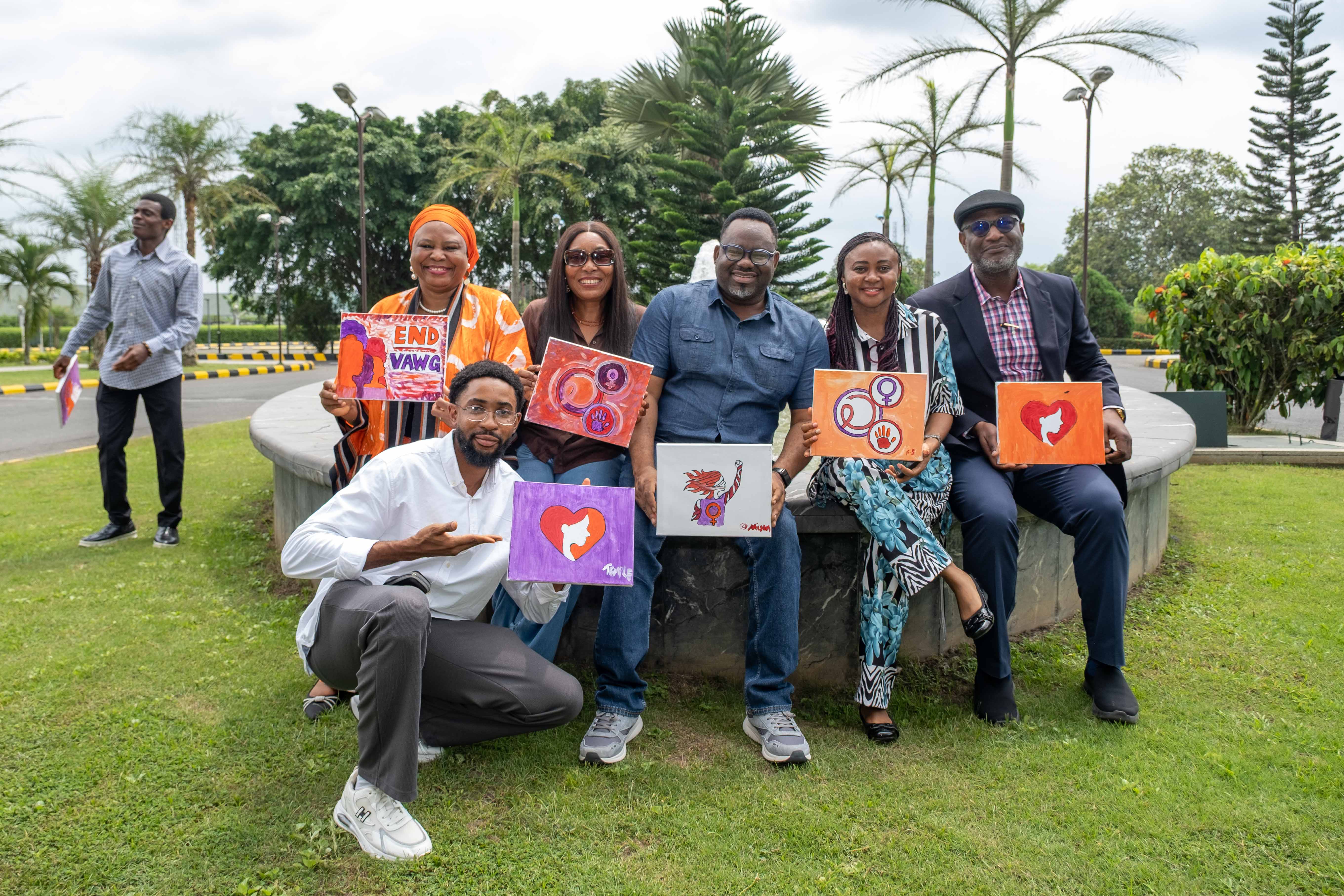
Every year from November 25 to December 10, communities, civil society organizations (CSOs), policymakers, and development partners around the world unite for the 16 Days of Activism Against Gender-Based Violence (GBV). This year’s global theme, “UNiTE to End Violence Against Women and Girls: Ensure Justice, Protect Survivors, End Impunity”, places an urgent spotlight on what happens after an act of violence occurs: whether survivors are believed, protected, and supported, and whether perpetrators are held accountable.
Across the Niger Delta, ending gender-based violence is not only a fundamental human rights imperative—it is essential to sustainable peacebuilding, household stability, and inclusive economic development. Yet for too many women and girls across our rural, riverine, and urban communities, the path from experiencing violence to accessing justice remains blocked by silence, stigma, and fragmented support systems.
Bridging the Gap Between Grassroots Realities and Formal Justice
While policies such as the Violence Against Persons Prohibition (VAPP) Act have been domesticated across several Niger Delta states, laws alone cannot protect women and girls if communities lack safe, trusted pathways to report abuse. In many localities, survivors face immense social pressure to settle cases informally, fear retaliation, or simply do not know where to turn for immediate medical, legal, or psychosocial care.
True justice begins at the community level. When traditional rulers, youth leaders, market associations, faith-based institutions, and local peace committees take a clear stand against impunity, they shift the burden of shame away from survivors and onto perpetrators.
Putting Survivor-Centered Support at the Core
Protecting survivors requires coordinated, accessible, and trauma-informed systems that respond without delay. Across the region, grassroots NGOs, community-based paralegals, and Sexual Assault Referral Centres (SARCs) are working on the front lines to ensure that survivors receive holistic care—from confidential medical attention and counseling to legal representation and economic reintegration.
However, sustaining and scaling these interventions requires stronger collaboration across sectors:
- Localizing Referral Pathways: Ensuring community leaders, health workers, and law enforcement officers have clear, up-to-date directories of verified survivor support services in every local government area.
- Protecting Digital and Physical Spaces: Expanding community awareness to address both offline violence and the growing threat of technology-facilitated harassment targeting young women and female entrepreneurs.
- Linking Protection with Economic Resilience: Recognizing that financial independence equips women with the agency to leave abusive environments and rebuild their lives with dignity.
Join the Conversation on NDLink
Over the next 16 days, NDLink will amplify the voices, initiatives, and lessons learned from organizations working tirelessly to prevent gender-based violence and protect survivors across the Niger Delta.
We invite development practitioners, CSOs, community champions, and partners across the region to:
- Share Your Work: Submit articles, event updates, and campaign highlights from your 16 Days of Activism activities to be featured on NDLink.
- Connect and Collaborate: Use the NDLink platform to share referral directories, policy briefs, and best practices that strengthen survivor support networks.
- Speak Out: Join the campaign online using #16Days, #NoExcuse, and #ForAllWomenAndGirls to demand accountability and lasting change.
Ending impunity starts with the systems we build and the silence we refuse to keep. Together, we can ensure that every woman and girl in the Niger Delta lives free from violence—with justice, dignity, and community support within reach.