 Mary Joseph
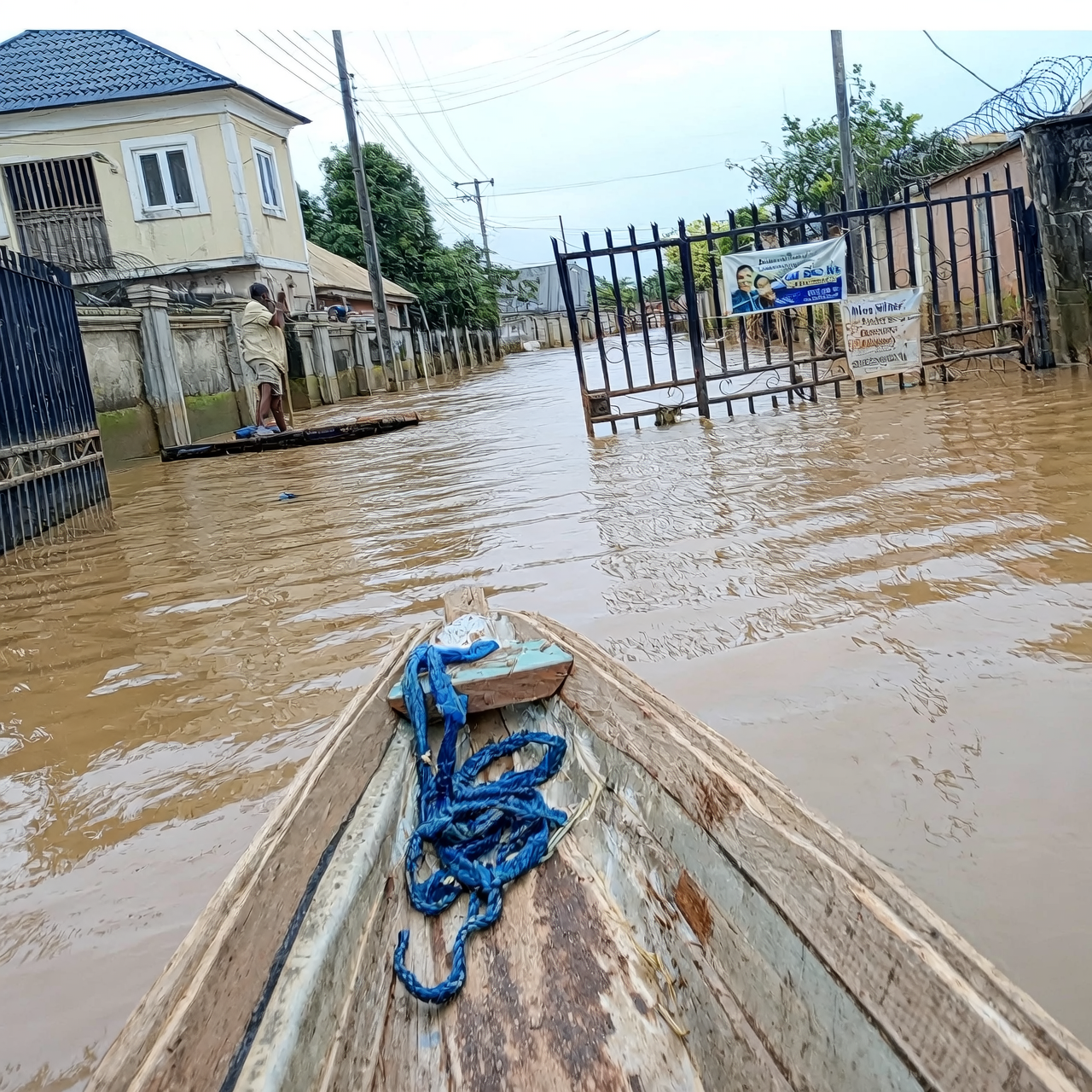
Across the Niger Delta, flooding is increasingly disrupting more than roads and homes. Heavy rainfall, rising river levels, coastal erosion, and other climate-related pressures are affecting farms, businesses, household incomes, and the ability of communities to remain in place.
Recent reports of flooding across Rivers, Delta, Bayelsa, Edo, and Akwa Ibom have displaced residents, damaged property and farmland, and disrupted economic activity. A September flood advisory from the Nigeria Hydrological Services Agency (NiHSA) placed all five states among 15 states facing high riverine flood risk, with rising water levels threatening communities, farms, markets, and critical infrastructure.
These problems are actually not new, but their consequences are becoming harder to treat as isolated seasonal emergencies. The Niger Delta’s low-lying terrain, extensive network of rivers and creeks, and concentration of settlements along waterways already expose communities to flooding. Climate change is compounding that vulnerability through shifts in rainfall patterns and rising sea levels, while blocked drainage, erosion, poor land-use practices, and the degradation of wetlands and mangroves can increase local exposure.
Recent work by the Foundation for Partnership Initiative in the Niger Delta (PIND) on climate and human security in the region identifies recurrent flooding, coastal erosion, and erratic rainfall as pressures that disrupt livelihoods and increase community vulnerability.
For farmers, flooding can mean lost harvests, damaged farm infrastructure, and delayed production. For traders and small businesses, it can destroy stock, equipment, and income. Where roads and waterways become impassable, access to markets, schools, workplaces, and health facilities is also affected. Also, for communities whose livelihoods depend heavily on farming, fishing, trading, and other natural-resource-based activities, repeated flooding can weaken household resilience and make recovery more difficult.
Flooding can also become a human security concern, as when households lose income, productive land, or shelter due to displacement caused by floods, existing social and economic pressures can deepen. It may increase pressure on land, housing, and other resources. Prolonged livelihood disruption can also make communities more vulnerable to further economic hardship and social tension.
Recent analysis from PIND on climate change and human security in the Niger Delta highlights these connections, noting that environmental pressures can disrupt farming and fishing, contribute to displacement, increase competition over resources, and aggravate existing grievances. This places climate resilience within a wider development agenda. Preparing communities for flooding is not only about protecting infrastructure; it is also about protecting livelihoods and reducing the pressures that can undermine community stability.
The first is acting on early warnings. The right information can help households and local authorities prepare before conditions become dangerous, as these reports support proactive intervention in areas vulnerable to rapid surface runoff and flash flooding.
The second is keeping drainage channels and waterways clear. Waste and structures that obstruct drainage can prevent stormwater from moving efficiently and worsen flooding in built-up areas. Recent flooding incidents across the region have again drawn attention to blocked drainage routes.
The third is preparing for possible displacement. Households in flood-prone areas should know safer routes and locations, protect important documents and essential medicines, and make arrangements for children, older people, and persons with disabilities.
There is also a longer-term environmental response: protecting wetlands, mangroves and other natural buffers. These ecosystems can help regulate water, protect shorelines and reduce some of the impacts of flooding and erosion. Their degradation removes natural protection available to vulnerable communities.
For the Niger Delta, building resilience will require bringing these concerns together. The objective is not to eliminate every flood. It is to ensure that when extreme rainfall, rising rivers or coastal hazards occur, fewer people lose their homes and livelihoods, and communities are better equipped to recover.