 Mary Joseph
Every October, Breast Cancer Awareness Month brings renewed attention to the importance of early detection. Across the Niger Delta, businesses, healthcare providers and civil society organisations can use this period to promote awareness, organise health outreaches and encourage women to seek medical advice. However, the challenge extends beyond raising awareness for one month: women need access to appropriate health services, timely diagnosis and treatment throughout the year.
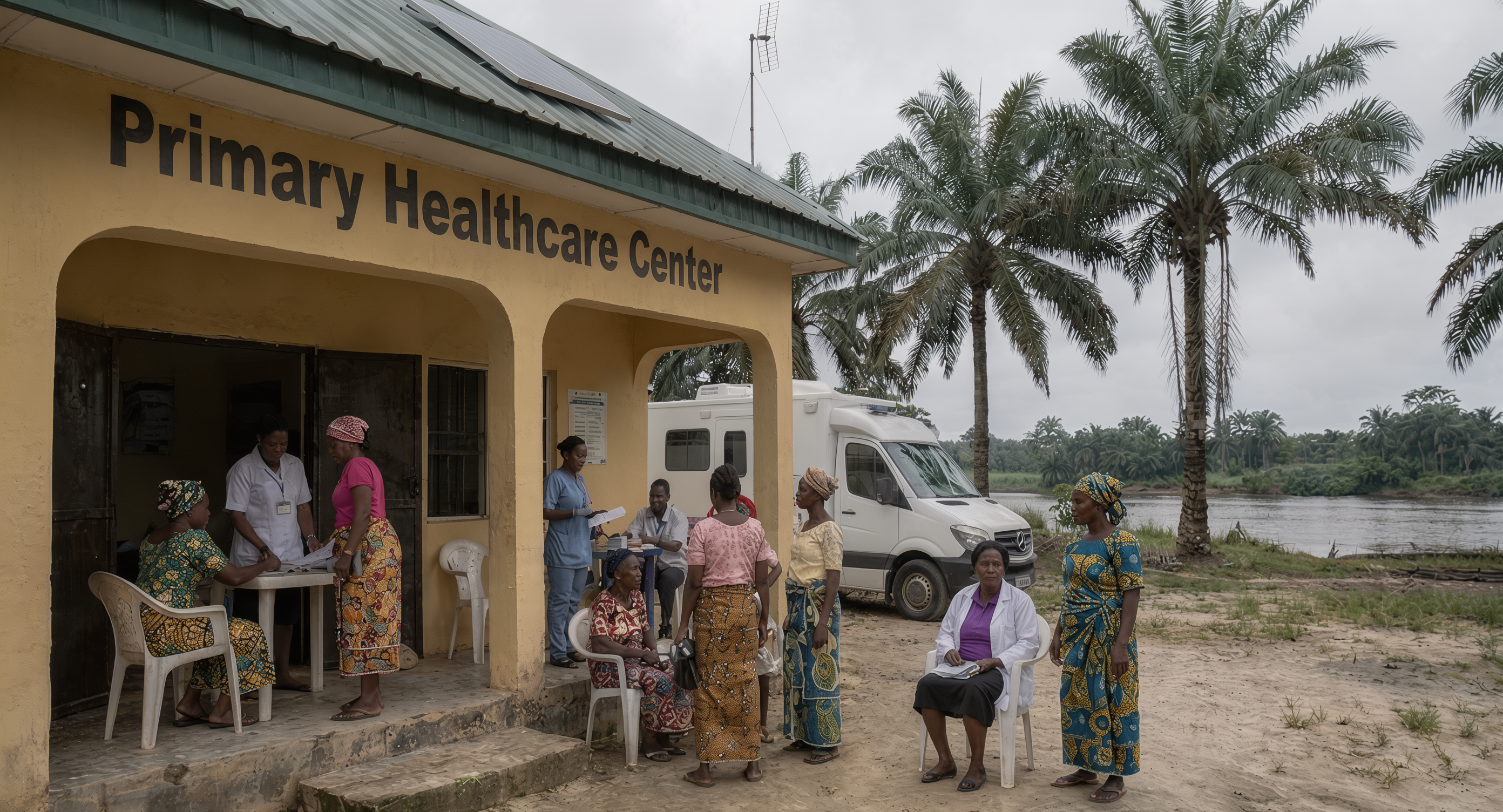
For women in rural and riverine communities, the distance to diagnostic facilities, the cost of further testing and limited access to specialist care can make it difficult to act on health concerns. One-off campaigns can provide valuable entry points for education and screening, but their impact is limited when women cannot access follow-up services.
Oil and gas companies, agricultural enterprises and other businesses operating across the Niger Delta have opportunities to contribute to more sustainable health interventions. By working with primary healthcare facilities, state health authorities, community organisations and Host Community Development Trusts (HCDTs), where appropriate, businesses can help strengthen access to breast health education, clinical assessment and referral services beyond the annual awareness calendar.
Moving from One-Off Outreach to Sustainable Health Services
A more sustainable approach requires shifting attention from the number of awareness events held to whether women can access appropriate services, receive timely follow-up and navigate the referral process. Four areas offer practical opportunities for collaboration.
1. Strengthening Primary Healthcare and Diagnostic Referrals
Businesses can work with state and local health authorities to identify gaps in existing primary healthcare services and support improvements in equipment, staff capacity and referral arrangements. Where appropriate, HCDTs and other community development mechanisms can be considered as partners in health initiatives, subject to their approved development plans, community priorities and applicable requirements.
Investments should be guided by local needs and clinical recommendations. Primary healthcare facilities may be well placed to provide breast health education, initial clinical assessments and referrals, while diagnostic imaging and specialist investigations may need to be delivered through designated facilities with the appropriate equipment and trained personnel.
The priority is not simply to place diagnostic equipment in more locations, but to ensure that facilities can operate it safely, maintain it, and connect patients to the next stage of care.
2. Reaching Women Through Agricultural and Business Networks
Agricultural cooperatives, outgrower networks, local vendors and workplace health programmes provide existing channels through which businesses can reach women who may otherwise have limited access to health information and services.
Companies can collaborate with healthcare providers to organise periodic breast health education, facilitate access to qualified health professionals and share information about available assessment and referral services. These activities can be incorporated into existing community engagements, cooperative meetings and workplace health initiatives.
Such arrangements should complement, rather than replace, accessible public health services. Participation should also be voluntary, with appropriate safeguards for medical privacy and confidentiality.
3. Building the Capacity of Community Health Workers
Community health workers and frontline healthcare personnel can help women understand breast health, recognise changes that require medical attention and navigate available health services. Supporting these workers through appropriate training, educational materials and referral protocols can strengthen the link between community awareness and professional care.
Training should be aligned with national clinical guidance and the scope of practice of each cadre of health worker. Community health workers can provide education, encourage timely assessment and support follow-up, while clinical examinations, diagnostic investigations and treatment decisions should be undertaken by appropriately qualified professionals.
For rural and riverine communities, strengthening these local connections can make health information more accessible and help reduce delays in seeking care.
4. Supporting Timely Diagnosis and Treatment
Awareness and initial assessment are only part of the care pathway. When a healthcare professional identifies a concerning breast change, timely access to further assessment, diagnostic testing and treatment is essential.
Cost can prevent women from completing this process. Businesses and development partners can explore arrangements with hospitals, diagnostic providers, state health insurance agencies and other relevant institutions to reduce financial barriers for eligible patients. Depending on local needs, this could include referral support, transport assistance or targeted subsidies for diagnostic services.
Any such initiative should have clear eligibility criteria, transparent financial management and defined referral pathways. Its effectiveness should be assessed not simply by the number of women reached, but also by whether those who need further assessment are able to complete it and access appropriate care.
Moving beyond seasonal awareness activities can create value for both communities and businesses operating in the Niger Delta.
Strengthening relationships with host communities: Sustained investment in locally identified health priorities can demonstrate a long-term commitment to community well-being. Transparent planning and community participation can also help ensure that interventions respond to actual needs rather than short-term visibility objectives.
Supporting livelihoods and household resilience: Women contribute significantly to agriculture, trading, food processing and household economic activity across the region. Improving access to healthcare can help reduce avoidable delays in diagnosis and the financial and social pressures associated with serious illness.
Building on existing development structures: Businesses can explore opportunities to align health interventions with community development plans, public health priorities and existing healthcare services. For oil and gas operators, HCDTs may provide one avenue for community-led development investment where proposed activities meet applicable legal requirements and approved priorities. Agricultural enterprises and other businesses can pursue similar partnerships through cooperatives, health providers and community organisations.
Improving accountability for health spending: A year-round approach creates opportunities to track practical indicators, including the number of women receiving health education, the availability of clinical assessment, referral completion rates and access to further diagnostic services. These measures provide a clearer picture of whether investments are improving access to care.
From Awareness to Continuity of Care
Breast Cancer Awareness Month remains an important opportunity to promote education and encourage women to seek medical advice. But awareness alone cannot overcome gaps in access, affordability and follow-up.
For the Niger Delta, the opportunity is to connect awareness activities with healthcare services that remain accessible throughout the year. Businesses, HCDTs, public health agencies and community organisations each have a potential role in strengthening these connections, guided by clinical evidence, local priorities and clear accountability.
The measure of progress should extend beyond the visibility of October campaigns. It should include whether women can access qualified health professionals, complete necessary diagnostic referrals and receive timely care. By investing in these pathways, businesses can help make breast health services more accessible and support stronger, more responsive community health systems across the region.