 Mary Joseph
Tensions surrounding the ward delineation process in Warri Federal Constituency, Delta State, have raised concerns about relations among Ijaw, Itsekiri and Urhobo communities. Disagreements and misinformation about electoral boundaries, land ownership and ancestral rights have added to existing sensitivities, highlighting how administrative processes can become flashpoints when communities feel their interests, identity or representation are at stake.
In such settings, the challenge extends beyond clarifying disputed information. It also involves building trust, ensuring that different groups have opportunities to express their concerns, and creating credible channels for resolving disagreements before they escalate into violence.
The experience of the Warri Peace Community Support Initiative (WPCSI), implemented through its Joint Implementation Committee (JIC), offers insight into how community engagement, early warning, institutional dialogue and public communication can contribute to conflict prevention. With support from the Foundation for Partnership Initiatives in the Niger Delta (PIND), the initiative has brought together community leaders, traditional institutions, government representatives and civil society organisations to strengthen local mechanisms for managing tensions.
Understanding Tensions Before They Escalate
Inter-ethnic tensions are rarely driven by a single issue. In Warri, concerns surrounding ward delineation have intersected with questions of identity, representation, land ownership and historical relationships among communities. When these issues become entangled, rumours and unverified information can deepen mistrust and make constructive engagement more difficult.
Recognising emerging warning signs is therefore an important part of conflict prevention. On April 30, 2026, WPCSI, in collaboration with CEPEJ and the Delta State Civil Society Forum, convened more than 200 stakeholders in Warri for training on conflict prevention and PIND’s Early Warning and Early Response (EWER) system.
Participants included traditional rulers, youth and women leaders, and religious representatives from Ijaw, Itsekiri and Urhobo communities. The engagement focused on strengthening their capacity to identify, report and respond to emerging conflict risks.
However, early warning is effective only when information is assessed and followed by appropriate action. Community reports must be verified, concerns communicated to relevant institutions, and response mechanisms made accessible to those affected. Without these steps, warning signs may be recognised without the timely intervention needed to prevent escalation.
Building Trust Through Inclusive Dialogue
When disputes involve identity and representation, communities need credible channels through which their concerns can be heard. Traditional institutions, public authorities and civil society organisations can help provide these channels, particularly when tensions make direct communication between groups difficult.
Between May and June 2026, WPCSI’s Joint Implementation Committee undertook six advocacy engagements with traditional institutions, electoral authorities and government representatives. The meetings sought to address community concerns, strengthen institutional relationships and encourage peaceful engagement.
One engagement, held with officials of the Independent National Electoral Commission (INEC) in Warri South on May 14, focused on concerns surrounding ward delineation. Other meetings involved the Agbarha Warri, Isaba and Ogbe-Ijoh kingdoms, representatives of the Ijaw community and the Warri North Local Government Area.
These engagements provided opportunities for stakeholders to discuss concerns and encourage restraint. They also highlighted the importance of distinguishing electoral administration from wider questions of land ownership and ancestral rights, which can become conflated in public debate.
The approach reflects a broader lesson for conflict prevention: dialogue must extend beyond formal meetings and include the institutions and community voices that people trust. It must also be inclusive. If any group believes its concerns are being dismissed or that decisions are being made without its participation, efforts to build confidence may have limited effect.
Using Radio to Address Misinformation
Community dialogue alone may not reach everyone affected by a dispute. Radio can complement direct engagement by providing a wider platform for sharing information, challenging rumours and reinforcing messages of peaceful coexistence.
Between March and June 2026, WPCSI aired Warri Na One, an eight-week campaign comprising 24 episodes broadcast on DBS/Melody FM, Kpoko FM and Mega FM. The programme sought to encourage restraint, counter misinformation and emphasise shared interests across Warri’s communities.
The initiative reported reaching more than 500,000 listeners, with feedback indicating reduced public anxiety and greater willingness to engage in dialogue. While reported audience reach demonstrates the potential scale of radio communication, its actual contribution to reducing tensions requires assessment beyond listener numbers.
The campaign coincided with a period of heightened concern, including protests around energy facilities and high-level peace engagements convened by Delta State Governor Sheriff Oborevwori on June 8 and President Bola Tinubu on June 11.
These developments underscored the need for communication that is consistent, accurate and coordinated with credible local voices. In sensitive situations, poorly verified messages can intensify suspicion, while responsible reporting and accessible information can help communities make better-informed decisions.
Making Peacebuilding Locally Owned
Sustaining peace requires more than temporary campaigns or interventions during periods of heightened tension. Communities also need local structures that can maintain dialogue, identify emerging risks, and support mediation after public attention has shifted elsewhere.
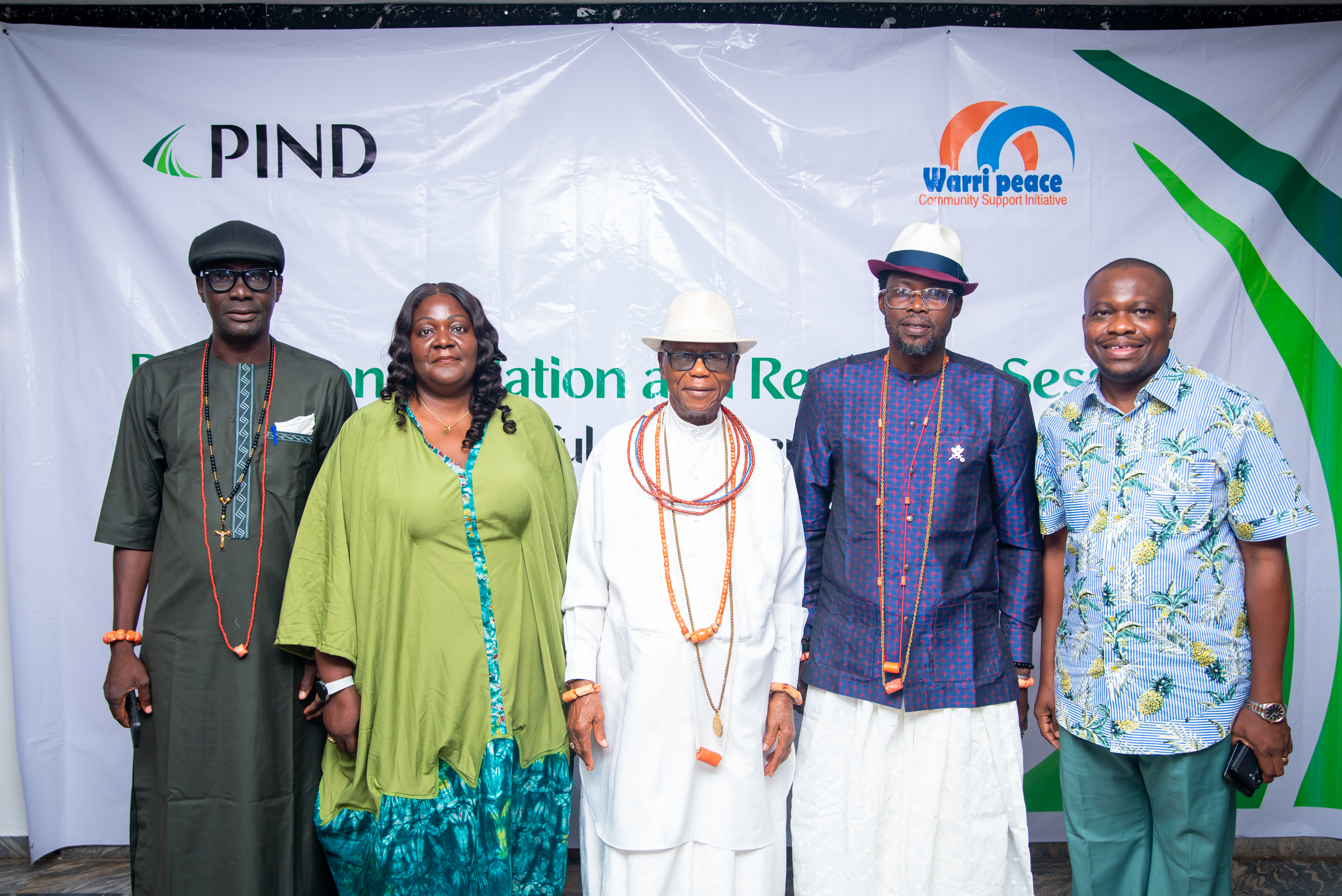
On October 19–20, 2026, WPCSI and its Joint Implementation Committee convened a two-day Peace Consolidation and Resilience session in Asaba, culminating in the inauguration of 30 Grassroots Peace Influencers representing Ijaw, Itsekiri and Urhobo communities.
The influencers are expected to support local mediation, identify potential conflict triggers and sustain dialogue within their communities. Their role builds on the initiative’s earlier work in stakeholder training, institutional engagement and public communication.
However, establishing these structures is only a starting point. Their effectiveness will depend on clear responsibilities, continued capacity-building, access to relevant institutions and the confidence of the communities they serve. They must also be able to engage impartially with concerns raised by different groups.
Sustaining Progress Beyond Individual Interventions
The experience in Warri illustrates the value of combining early warning, inclusive dialogue, public communication and grassroots mediation when addressing complex inter-ethnic tensions. Each approach addresses a different part of the challenge: early warning helps identify risks, institutional engagement creates channels for dialogue, radio extends access to information, and local peace actors can support continued engagement.
Yet no single intervention can resolve longstanding grievances on its own. Sustained progress depends on whether concerns are addressed consistently, information is verified before being circulated, and all affected communities have meaningful opportunities to participate in decisions and mediation. Warri’s experience demonstrates the potential of coordinated, community-based peacebuilding while underscoring that lasting results depend on sustained, inclusive, and locally owned engagement.