Niger Delta Weekly Conflict Update: February 08-14, 2026
February 16, 2026
Niger Delta Weekly Conflict Update: February 15-21, 2026
February 20, 2026
Written by: Mary Joseph
For decades, conversations about the Niger Delta have been dominated by extractives, environmental risk, and conflict. While these challenges exist, they obscure an underexplored development asset: the Niger Delta’s deep ethnic and cultural diversity and its potential to shape more inclusive growth strategies.
Home to dozens of ethnic groups spread across coastal, riverine, and inland ecosystems, the Niger Delta reflects a rich mix of culture, livelihoods, and social systems. This diversity has sustained communities for generations and continues to influence how people live together, resolve disputes, and adapt to change. For many, this diversity offers a pathway to move beyond one-size-fits-all interventions toward place-based approaches that reflect how people actually live and work.
Diversity as economic infrastructure
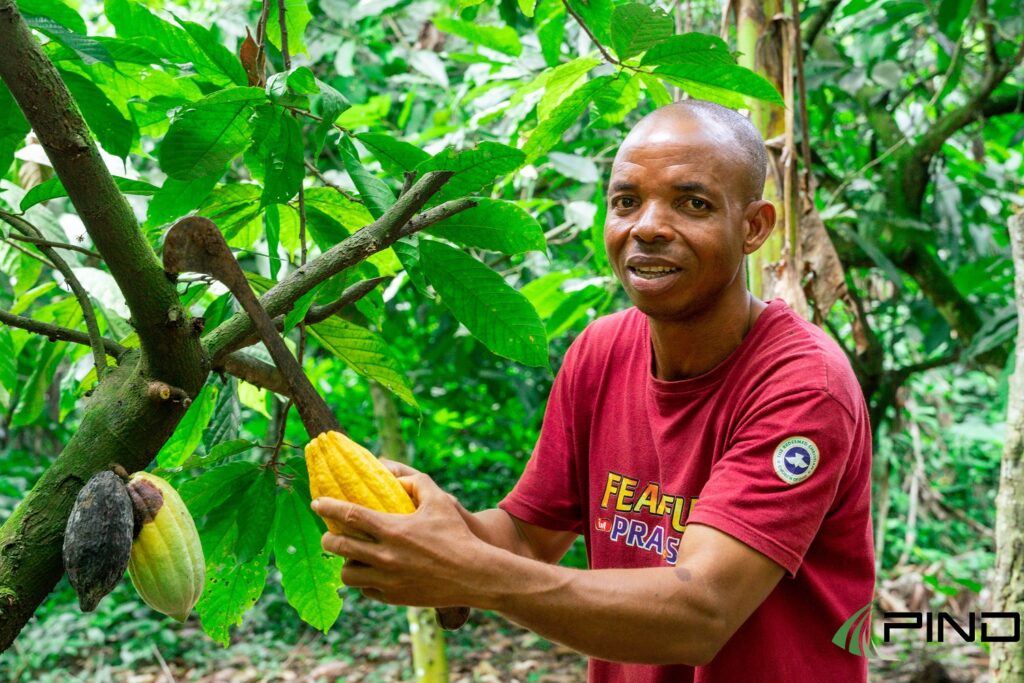
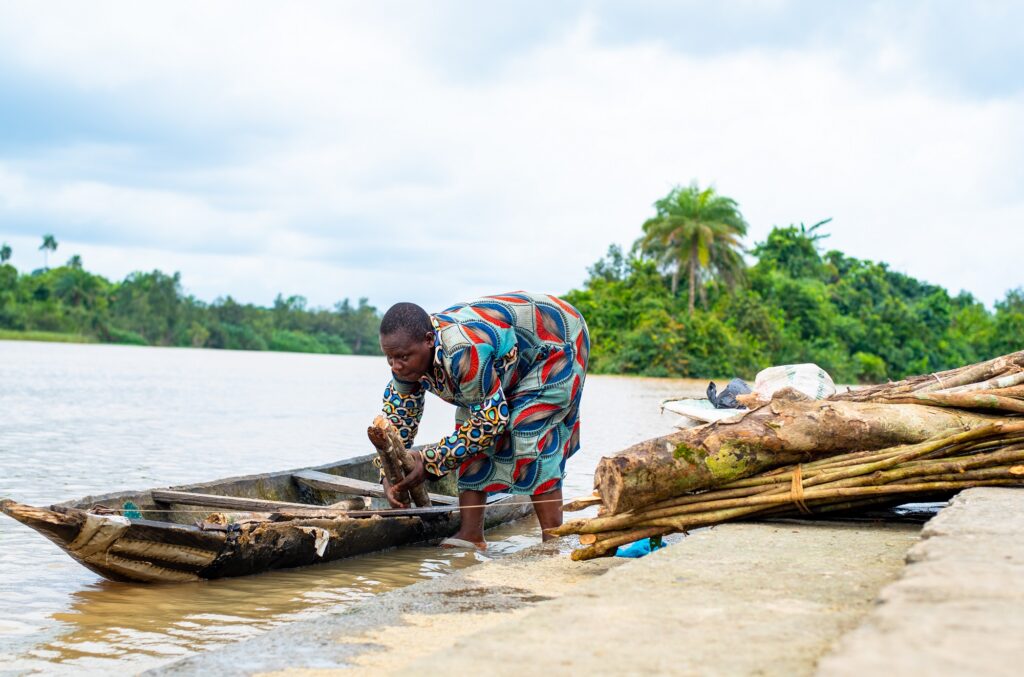
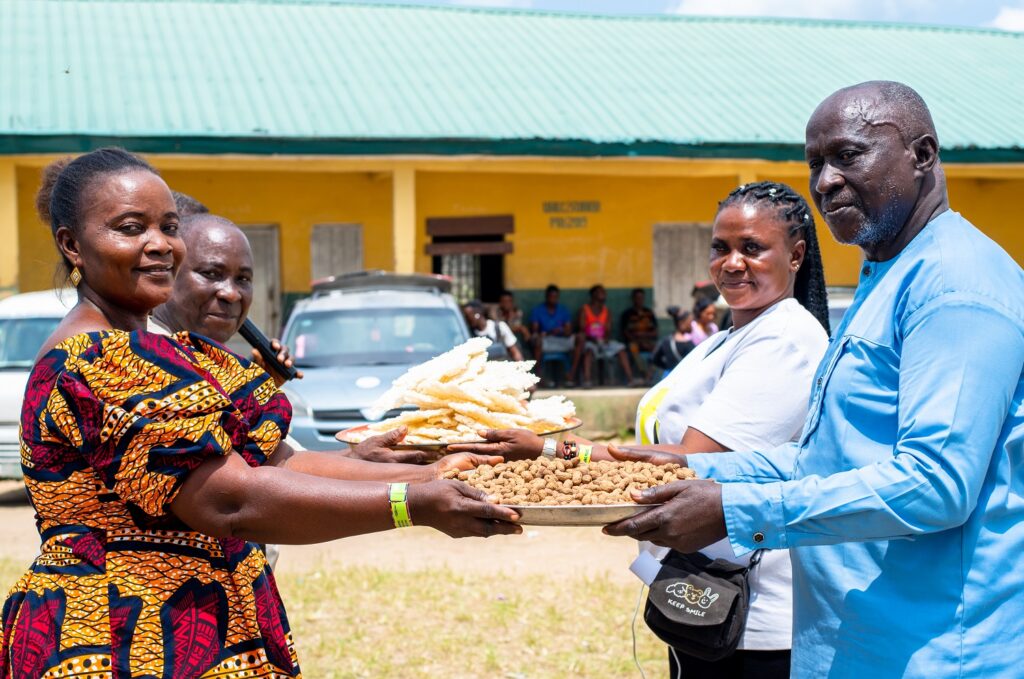
Across the Niger Delta, livelihoods are closely tied to culture and environment. Fishing communities along the waterways have built sophisticated systems around sea-based trade and resource management. Inland communities have long histories of farming, processing, and regional commerce. Craft production, local markets, and informal trade networks remain central to everyday economic life.
These systems represent more than tradition; they are economic infrastructure. Development strategies that recognize and strengthen them can unlock productivity, expand market access, and reduce vulnerability, particularly for populations such as youth, women, and persons living with disabilities. As state governments across the region articulate their long-term development plans, integrating local systems will help anchor growth in existing capacities rather than external models.
Culture, tourism, and regional identity
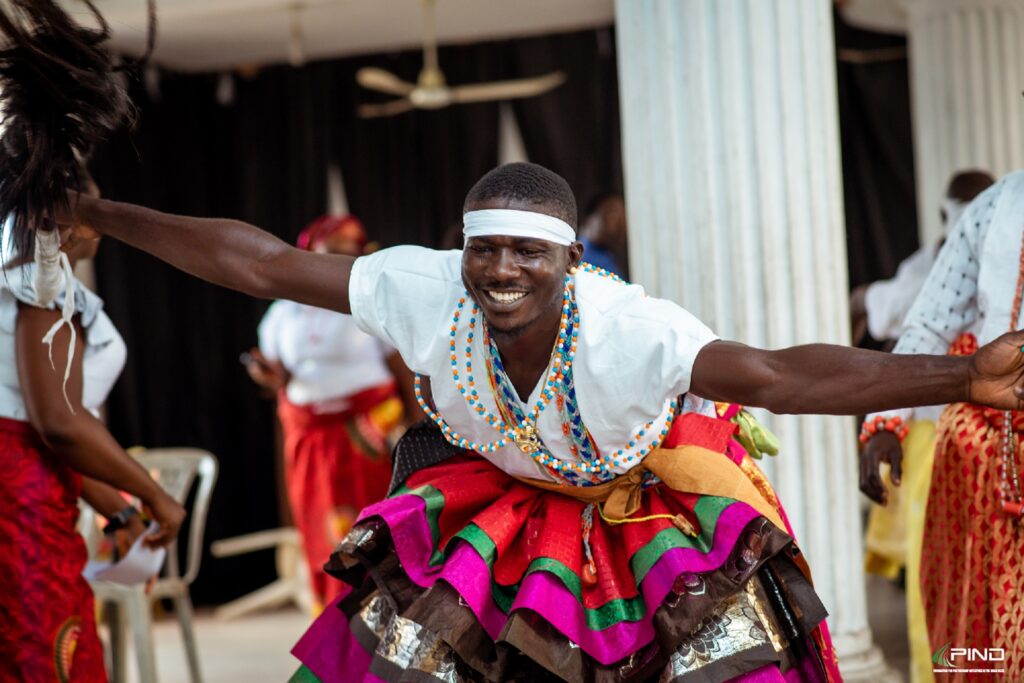
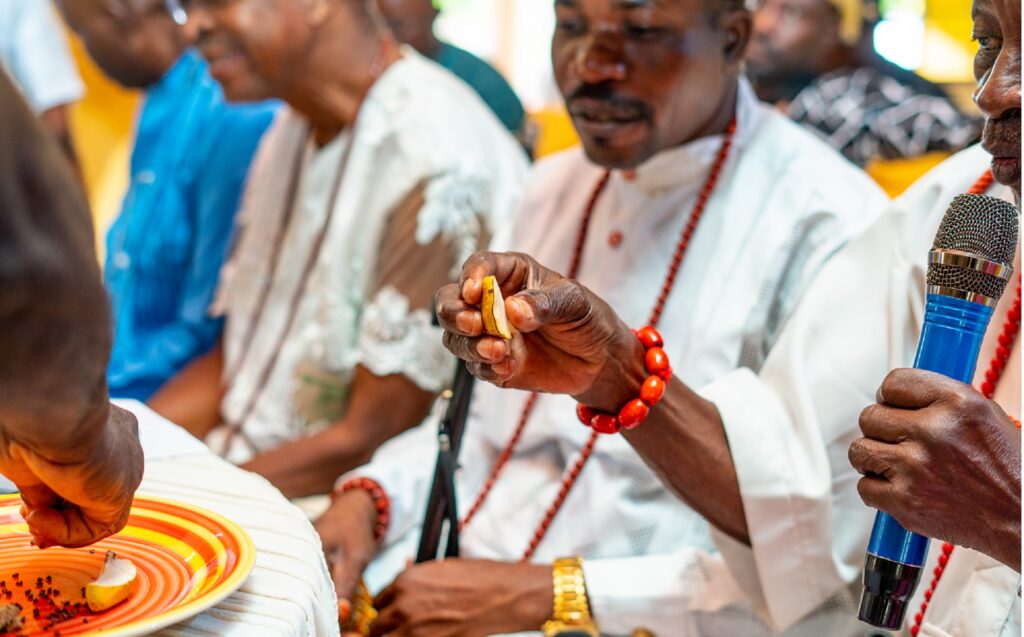
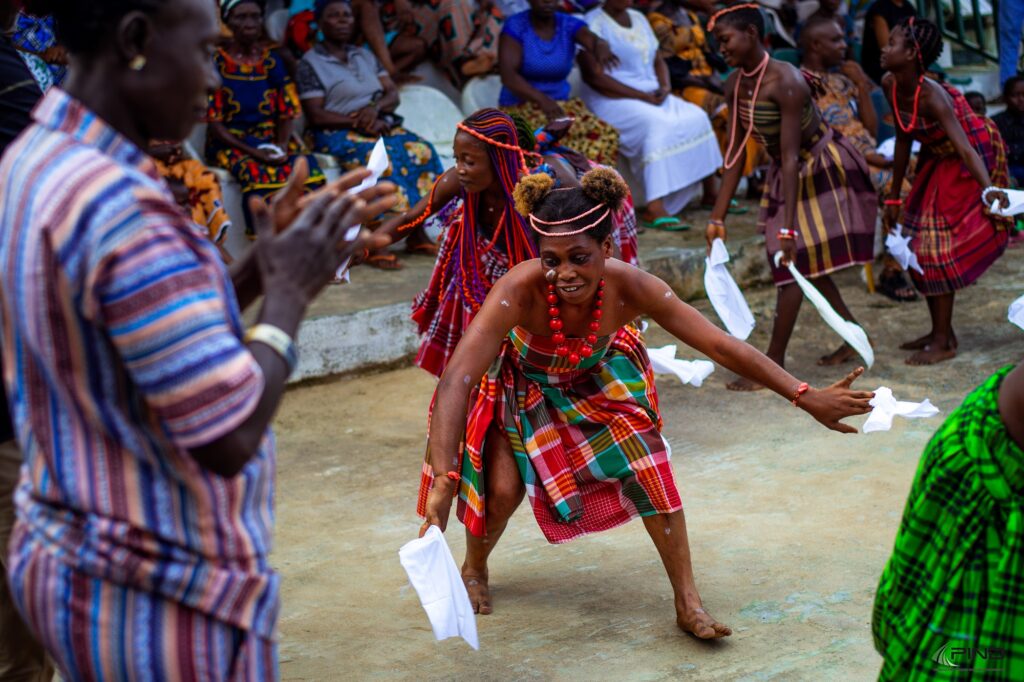
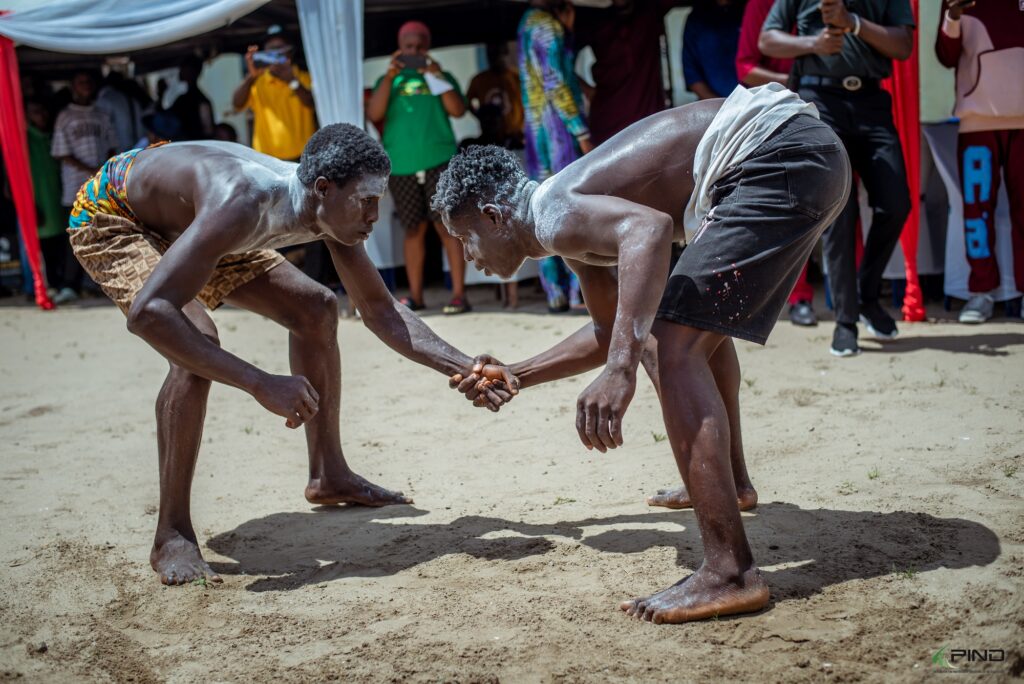
Despite its rich heritage, the Niger Delta has received limited attention as a cultural tourism destination. Languages, festivals, cuisine, music, and craftsmanship across the region offer potential for community-led tourism and creative industries, sectors that have driven inclusive growth in other areas with similar diversity.
When aligned with infrastructure investment and policy support, cultural economies can create jobs, encourage entrepreneurship, and reshape how the region is perceived nationally and globally. Importantly, these opportunities place communities at the center of value creation.
Governance through local institutions
The ethnic diversity of the Niger Delta region is also reflected in the strength of its informal institutions. Traditional leaders, women’s groups, and youth age groups play a central role in local decision-making and peacebuilding. These structures often operate alongside formal government systems, shaping how development initiatives are received and sustained.
Development initiatives that engage these structures tend to gain stronger local buy-in and longer-lasting outcomes. As state governments develop long-term plans, recognizing informal governance systems alongside formal institutions can improve coordination and reduce the risk of project failure.
Why this matters now
As Nigeria grapples with economic transition and subnational governments seek long-term growth pathways, the Niger Delta faces a strategic choice. Should it continue to be framed primarily through its challenges, or can it reposition itself around the strengths of its people and systems?
For development practitioners, this shift requires rethinking engagement in the region: investing not only in physical infrastructure and service delivery, but in local institutions, cultural economies, and community-driven planning processes. By anchoring growth in these existing capacities, the region can move beyond external models and stereotypes towards a more resilient and self-sustaining future.