From Skills to Self-Worth: How the 2025 International Girls’ Conference Is Shaping Future Leaders
December 9, 2025
Niger Delta Communities Gain Skills in Environmental Monitoring
December 15, 2025
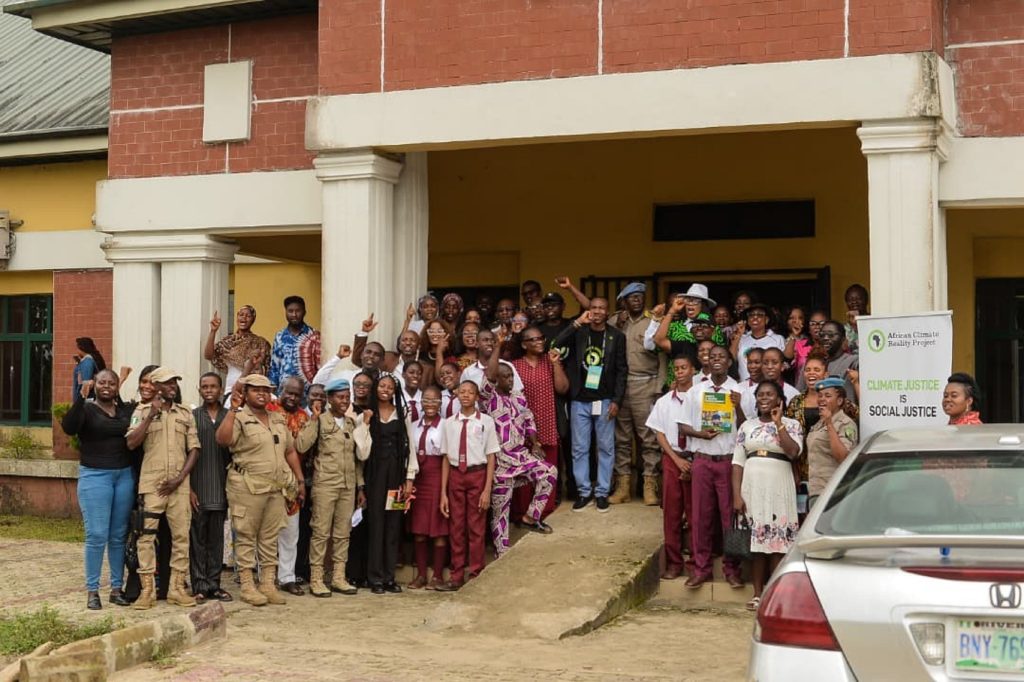
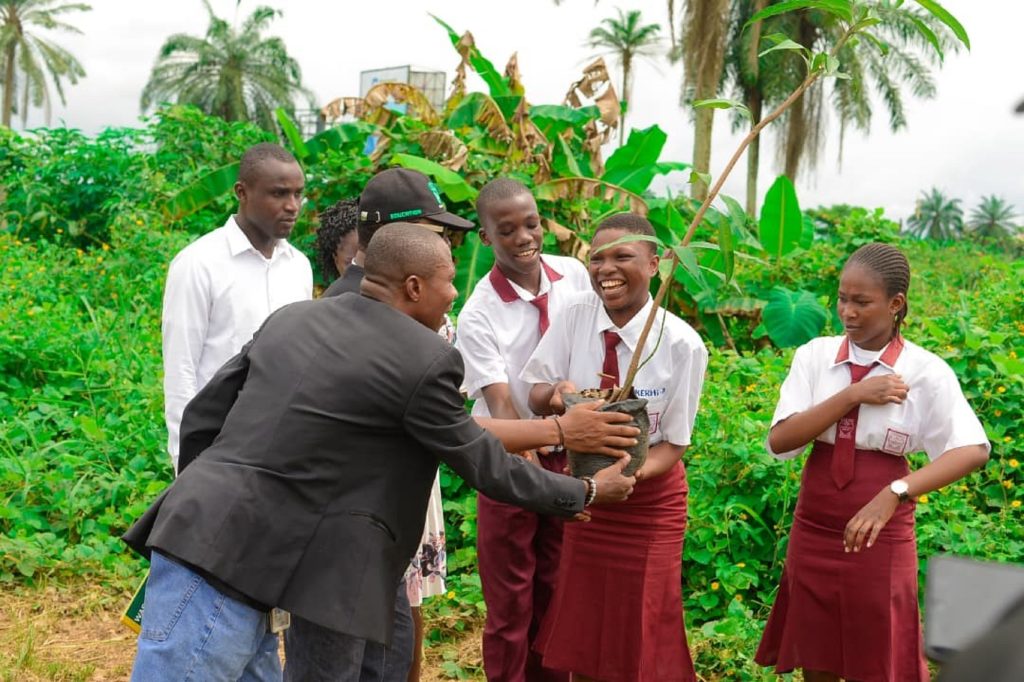
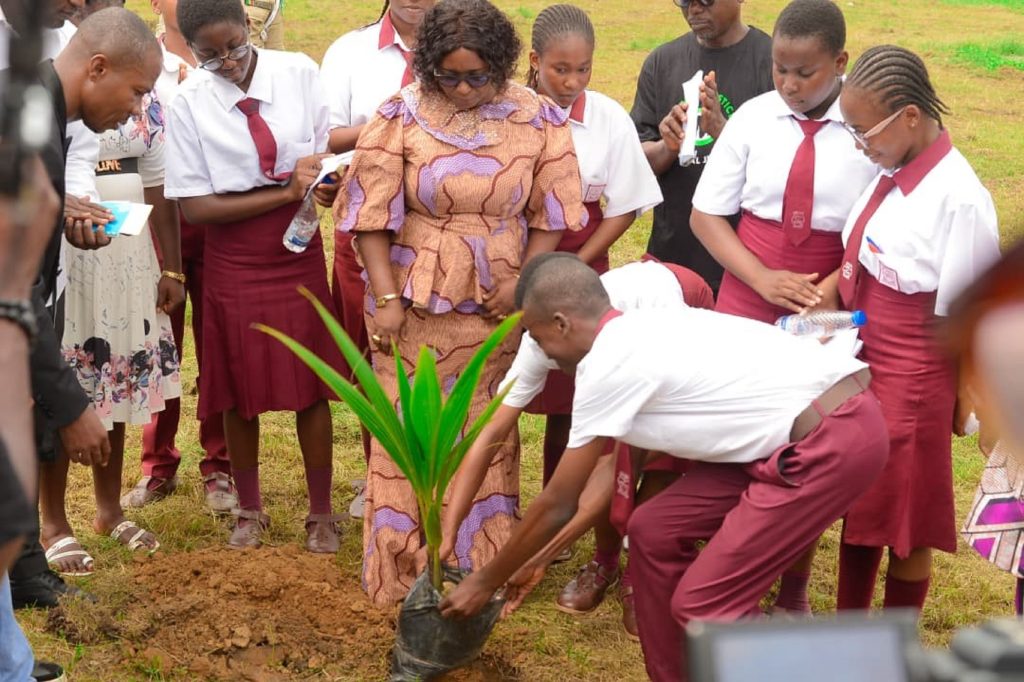
In response to the growing environmental challenges facing the Niger Delta, a climate education workshop held in Port Harcourt has demonstrated how youth-led actions can strengthen long-term community resilience. Organized by the West African Hub of the Africa Climate Reality Project (ACRP), the initiative combined practical learning with on-ground environmental action, resulting in the planting of more than 50 fruit trees at the Federal Government College, Port Harcourt.
The workshop marked a significant effort to raise awareness about climate change and equip young people with the tools to take action. As communities across the region increasingly experience heat stress, flooding, and air pollution, the initiative highlighted the value of local adaptation strategies and the role of students as emerging environmental stewards.
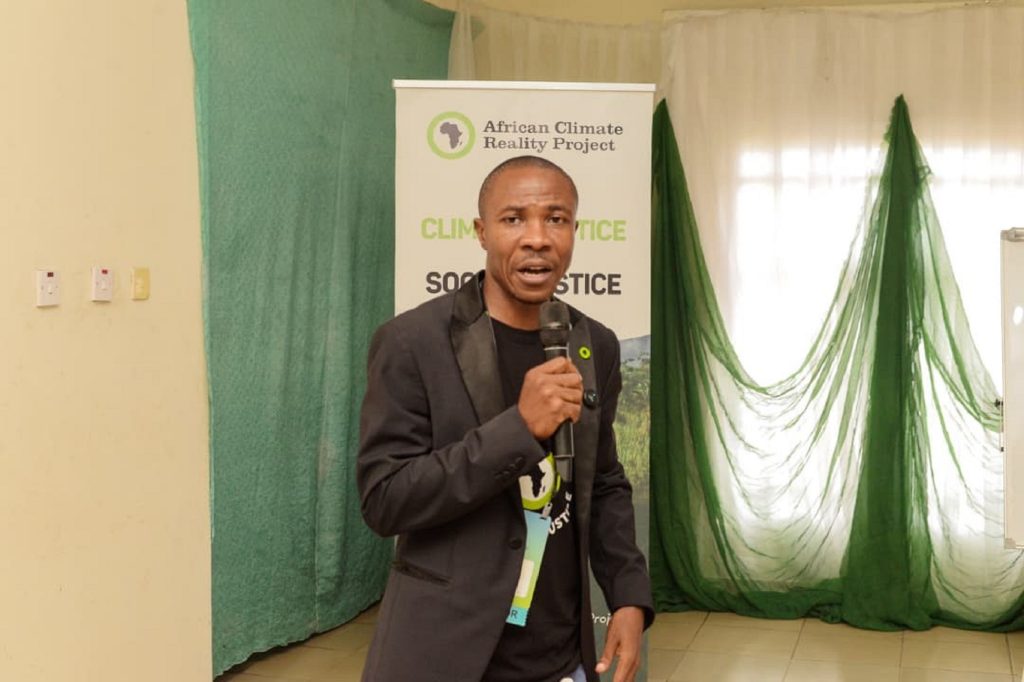

Strengthening Climate Knowledge Through Practical Engagement
The workshop provided participants with a clear understanding of how climate change is impacting their daily lives and what can be done collectively to address the issue. Sessions focused on practical steps for climate adaptation, the importance of green spaces in combating air pollution, community-level actions that support environmental protection, and the value of tree planting for carbon absorption, shade, and long-term resilience.
By integrating theory with hands-on tree planting, the event ensured that students not only learned about the impacts of climate change but also actively contributed to solutions within their school community.
Promoting Shared Responsibility and Community Participation
The workshop brought together a diverse group of stakeholders, including civil society organizations, advocates for the Sustainable Development Goals (SDGs), school leaders, and community representatives. This collaborative approach reflected the growing recognition that effective climate action depends on shared responsibility across sectors.
The choice of fruit trees underscored the project’s focus on sustainability and community benefit. Beyond environmental gains, the trees will contribute to food security, improve school aesthetics, and create a more conducive learning environment.
Laying the Foundation for Long-Term Environmental Stewardship
As part of the event’s outcomes, students were encouraged to establish an eco-biodiversity club. This structure will ensure ongoing care for the newly planted trees and promote continuous learning on environmental issues. Through this club, students will take the lead in monitoring growth, maintaining the trees, and promoting broader ecological awareness within the school.
By placing young people at the center of the initiative, the project reinforces the idea that lasting climate resilience begins with equipping future leaders with knowledge, responsibility, and the confidence to act.
A Growing Movement of Youth-Led Climate Action
The Port Harcourt tree-planting initiative contributes to the broader momentum of environmental action emerging across the Niger Delta. While climate change remains a global issue, community-based efforts like this one demonstrate the power of local engagement and education in driving meaningful change.
By empowering students with knowledge and involving them directly in environmental restoration, the initiative lays a strong foundation for greener, more resilient communities, demonstrating that climate action often begins with a single tree and a shared commitment to protecting the environment.