Strengthening Peace Through Data: Stakeholders Discuss Social Media Insights on Emerging Risks in the Niger Delta
October 29, 2025
Niger Delta Weekly Conflict Update: November 02-08, 2025
November 7, 2025

When the Petroleum Industry Act (PIA) was signed into law in 2021, it represented more than a policy reform; it was a bold reimagining of how oil-producing communities could shape their own development future. The Act promised to move from transactional agreements to a system focused on structure, accountability, community ownership, and shared prosperity.
Four years later, that vision is beginning to take root. Across the Niger Delta, new Host Community Development Trusts are being incorporated, community-driven projects are emerging, and dialogue between companies and their host communities is becoming more structured and inclusive. While implementation has not been without its challenges, the progress so far offers a glimpse of what is possible when policy intention begins to translate into community impact. This marks a great opportunity for the region to take its developmental destiny into its hands.


Where we came from: MOUs, GMoUs, and voluntary CSR models
Before the PIA, company–community relations in the Niger Delta largely depended on voluntary agreements. Oil firms operated through Memoranda of Understanding (MoUs) and Global MoUs (GMoUs) to coordinate social investments and manage community relations. Introduced in the 2000s, the GMoU model provided a framework for collaboration but remained optional, often hampered by weak accountability and uneven participation.
These pre-PIA experiences revealed two lessons: communities and companies could work together effectively, but without legal structure and oversight, development remained inconsistent and unsustainable. This realization shaped the PIA’s framework, anchoring community development in law, with defined guidelines and mechanisms for accountability.
I am text block. Click edit button to change this text. Lorem ipsum dolor sit amet, consectetur adipiscing elit. Ut elit tellus, luctus nec ullamcorper mattis, pulvinar dapibus leo.
What the PIA introduced: HCDTs and rules of engagement
Chapter 3 of the PIA established a legal framework for community development by creating Host Community Development Trusts (HCDTs). According to the Act, license holders are required to set up these trusts and allocate 3% percentage of their operating expenses to them, ensuring community funding is more predictable, transparent, and locally managed.

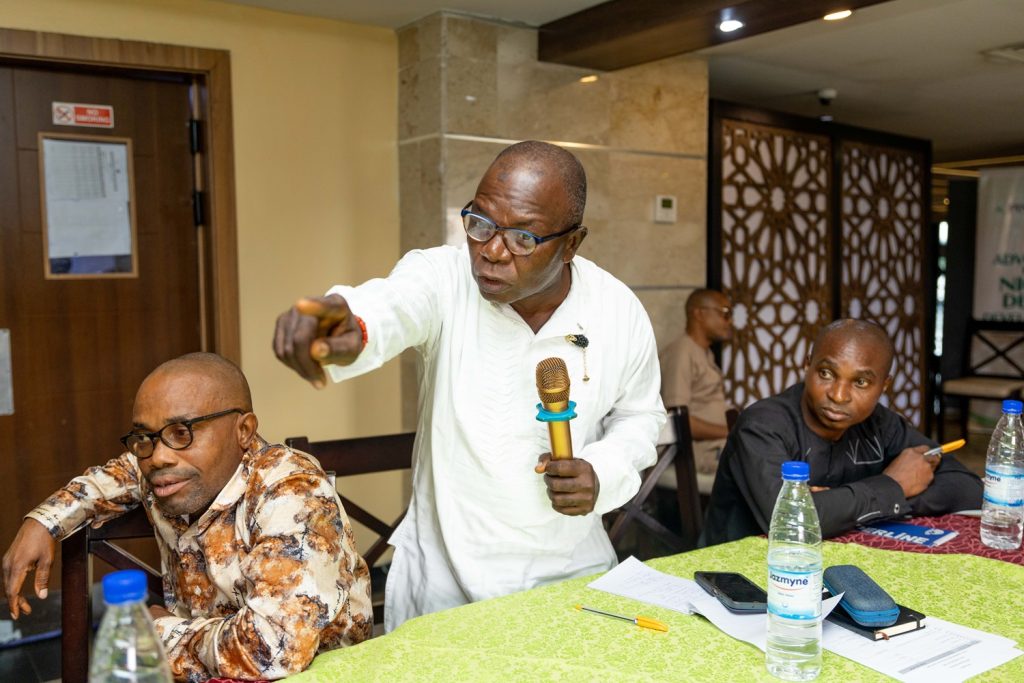
Furthermore, provisions for accountability and transparency are integrated, ensuring communities use funds for sustainable and impactful projects. The law also mandates needs assessments, formal governance structures, and regulatory oversight to limit the discretion that previously characterized MoU-based projects. To assist implementation, the Nigerian Upstream Petroleum Regulatory Commission (NUPRC) issued detailed templates and operational guidelines for establishing and managing HCDTs.
Four Years On: Incorporation, Funds, and Implementation Snapshot
The adoption of the Petroleum Industry Act (PIA) framework has been uneven; progress is evident but not yet complete. By early to mid-2024, reports indicated steady momentum in establishing Host Community Development Trusts (HCDTs). According to findings by Policy Alert, in partnership with BudgIT and Oxfam, a total of 103 HCDTs had been registered with the Corporate Affairs Commission by February 2024, with more trusts added in subsequent months.
However, while incorporation and funding have progressed, understanding of the PIA’s provisions remains a major challenge at the grassroots level. Many community members, and even some trust representatives, still find it difficult to interpret key aspects of the Act, from governance structures to fund utilization processes, which limits effective participation and oversight By October 2025, data from the Nigerian Upstream Petroleum Regulatory Commission (NUPRC) showed a notable rise in cumulative Host Community Funds, now running into hundreds of billions of naira, with dozens of projects underway across the Niger Delta, yet translating these gains into equitable impact will depend on deepening public awareness and capacity.
Who’s Stepping Up: Awareness, Capacity, and Inclusion
Despite implementation challenges, a growing network of development actors across the Niger Delta is helping bridge the gap between policy and practice. These organisations are demystifying the PIA, strengthening local capacity, and ensuring that women, youth, and other underrepresented groups take part in shaping how Host Community Development Trusts (HCDTs) operate.
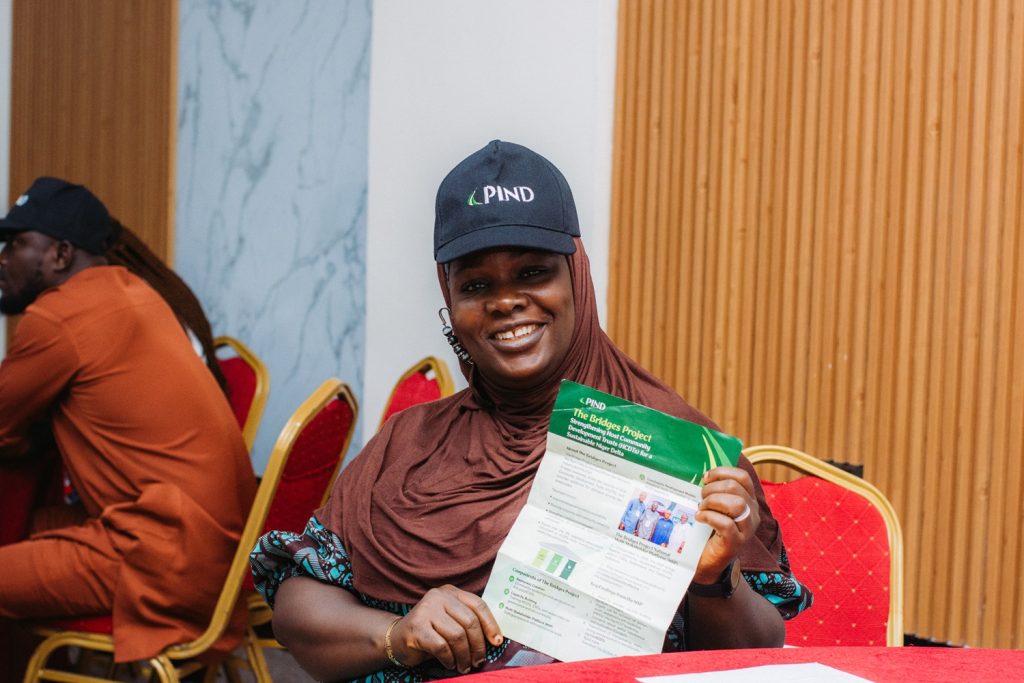
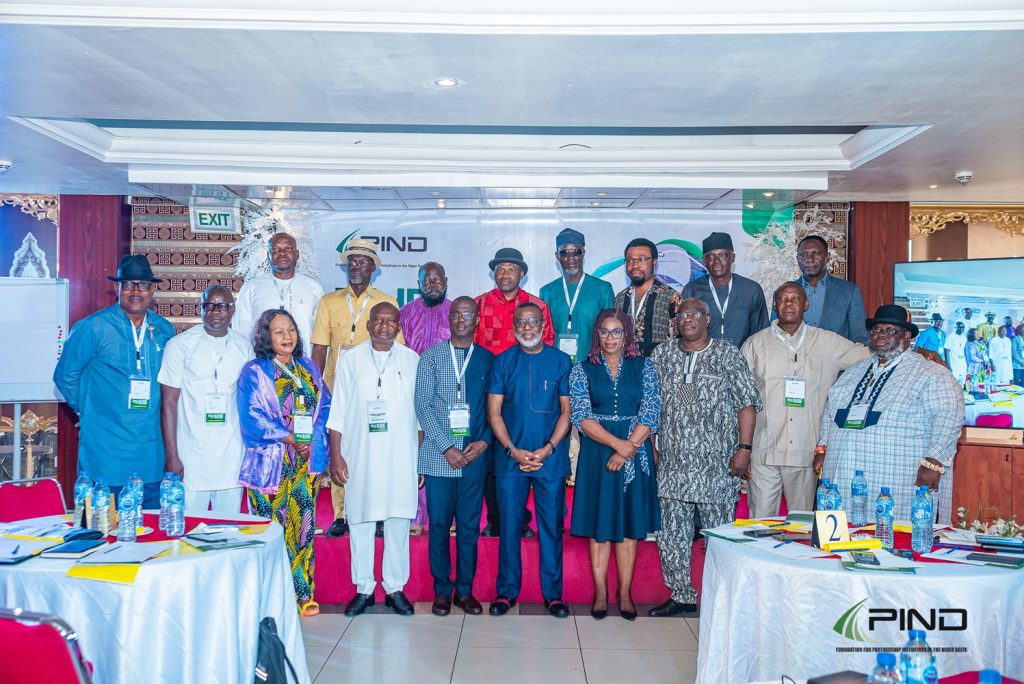
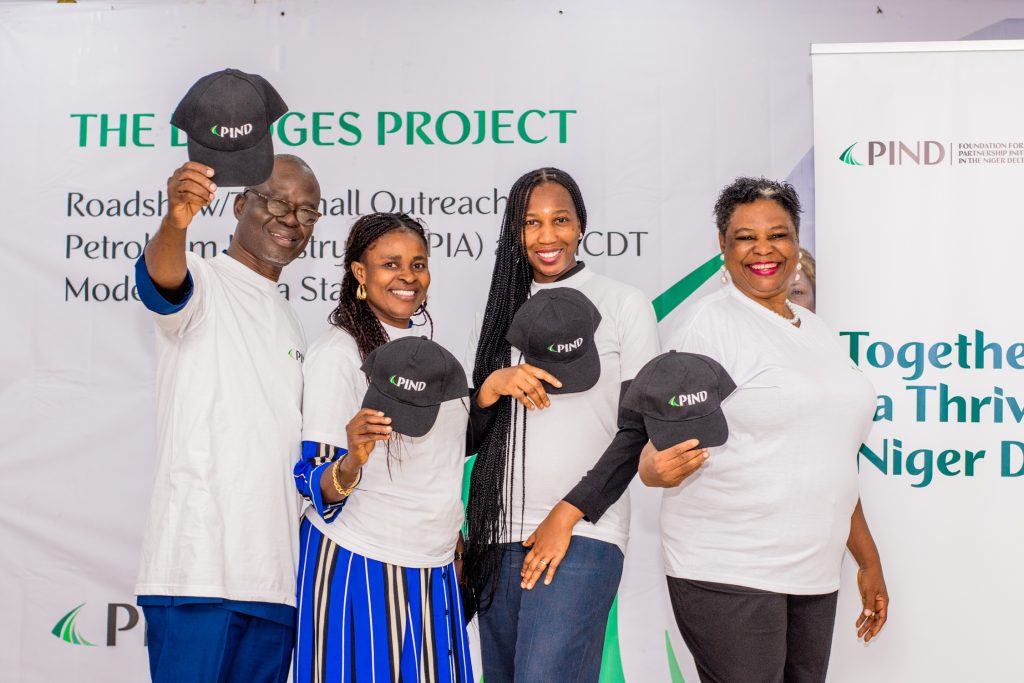
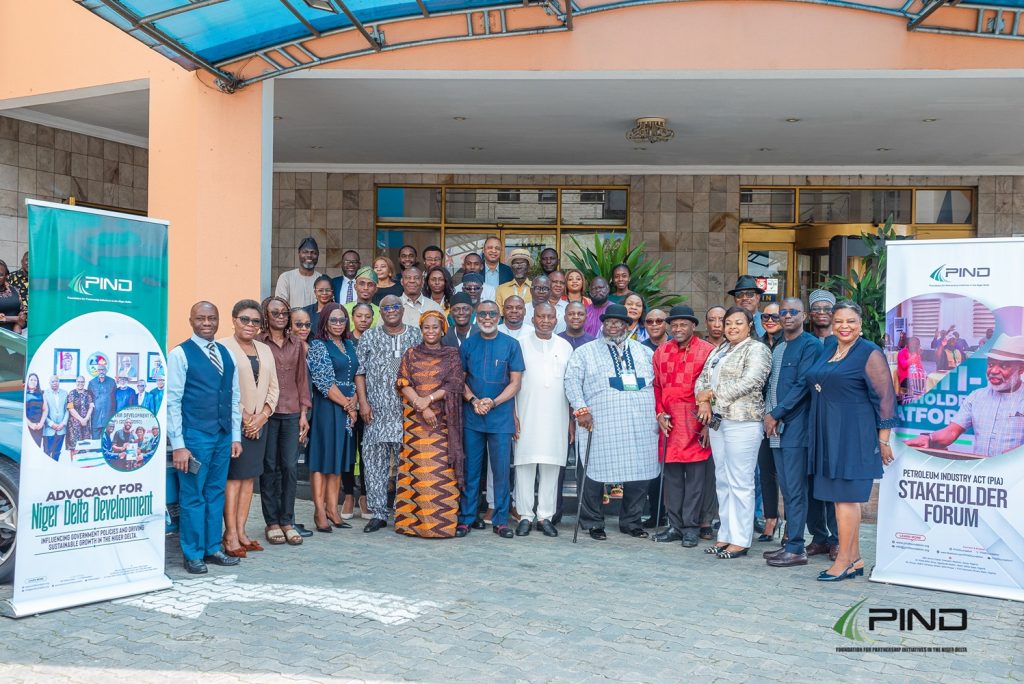
One notable example is the Foundation for Partnership Initiatives in the Niger Delta (PIND), which, through its Bridges Project, supported by the Ford Foundation, has established structures, raised awareness, and implemented interventions across Delta, Bayelsa, Akwa Ibom, Rivers, and Ondo States. These engagements have brought together regulators, settlors, civil society, traditional leaders, and government agencies to deepen understanding of the PIA and promote meaningful participation in the governance of HCDTs.
Similarly, Policy Alert, through its AGILE Project (Advancing Gender, Innovation & Local Engagement), is promoting gender-responsive governance by training women leaders in oil- producing communities across Akwa Ibom and Rivers States. In the same vein, organizations such as the Stakeholder Democracy Network (SDN), through its Working Group, and NEITI are empowering community stakeholders with the knowledge and tools needed to engage effectively in HCDT operations, monitor budgets, and advocate for transparency and inclusion.
These interventions and others like them are vital because policy alone does not drive progress; awareness, participation, and accountability do. By equipping communities to ask informed questions and track how resources are managed, these initiatives are helping to translate the PIA’s provisions from paper into meaningful practice across the Niger Delta.
The Way Forward
The Petroleum Industry Act (PIA) laid the groundwork for a new era of community-led development in the Niger Delta, but translating legislation into lasting impact requires more than compliance: it demands delivery. The focus must now shift toward inclusive governance, transparent financial management, capacity building, and environmental restoration, all anchored in genuine partnership between communities, oil companies, regulators, and development actors.
Four years on, the challenge is not about whether the law was right, but whether there is sufficient political will and institutional commitment to make it work. For NDLink, the task is clear: to amplify local successes, share actionable insights, and promote citizen-led monitoring that keeps implementation accountable. By connecting voices, data, and dialogue, we can help ensure that the PIA’s promise becomes a lived reality for the Niger Delta’s host communities.