Rethinking Men’s Role in Building Resilient Communities
November 27, 2025
Niger Delta Weekly Conflict Update: November 23-29, 2025
November 28, 2025
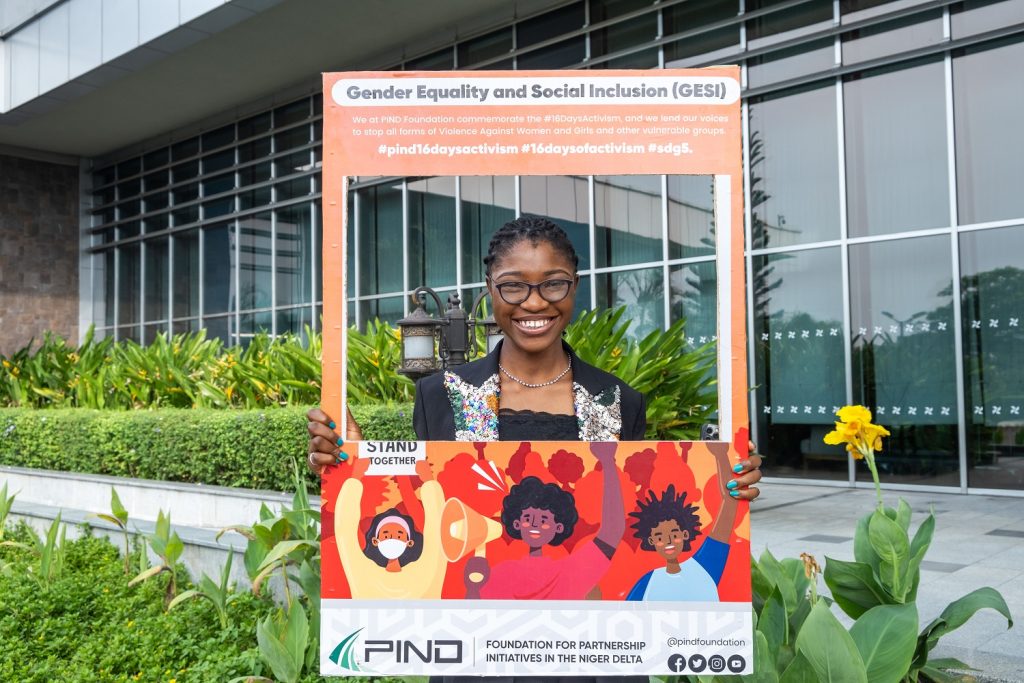
As digital tools continue to shape how people learn, work, and connect, the need to protect women and girls in online environments has become increasingly urgent. In the Niger Delta, technology is unlocking new opportunities for education, entrepreneurship, leadership, and civic participation. Yet these opportunities come with significant risks, including online harassment, misinformation, identity theft, cyberbullying, and other emerging forms of digital gender-based violence.
The 2025 16 Days of Activism Against Gender-Based Violence places renewed emphasis on the need to create safe, inclusive, and digitally empowered spaces for women and girls. With the global theme, “UNiTE to End Digital Violence against All Women and Girls,” this year’s campaign highlights a critical truth: in many Niger Delta communities, digital access is not just about connectivity; it is also about safety, dignity, economic mobility, and equal opportunity.
Why Digital Safety Matters in the Niger Delta
Violence against women and girls remains one of the most pervasive human rights violations globally, affecting 1 in 3 women in their lifetime. In the Niger Delta, where socioeconomic inequalities, limited digital literacy, and complex security challenges intersect, the urgency to prevent all forms of violence, including digital abuse, is even more pronounced.
Women and girls across the Niger Delta face growing risks of digital violence, including online harassment, cyberbullying, image-based abuse, deepfakes, stalking, grooming, impersonation, and gendered hate speech. These attacks often spill into real life, leading to coercion, physical violence, and long-term emotional harm.
Digital safety is therefore essential to protecting women’s rights, dignity, and participation both online and offline.
Local Organizations Leading the Change
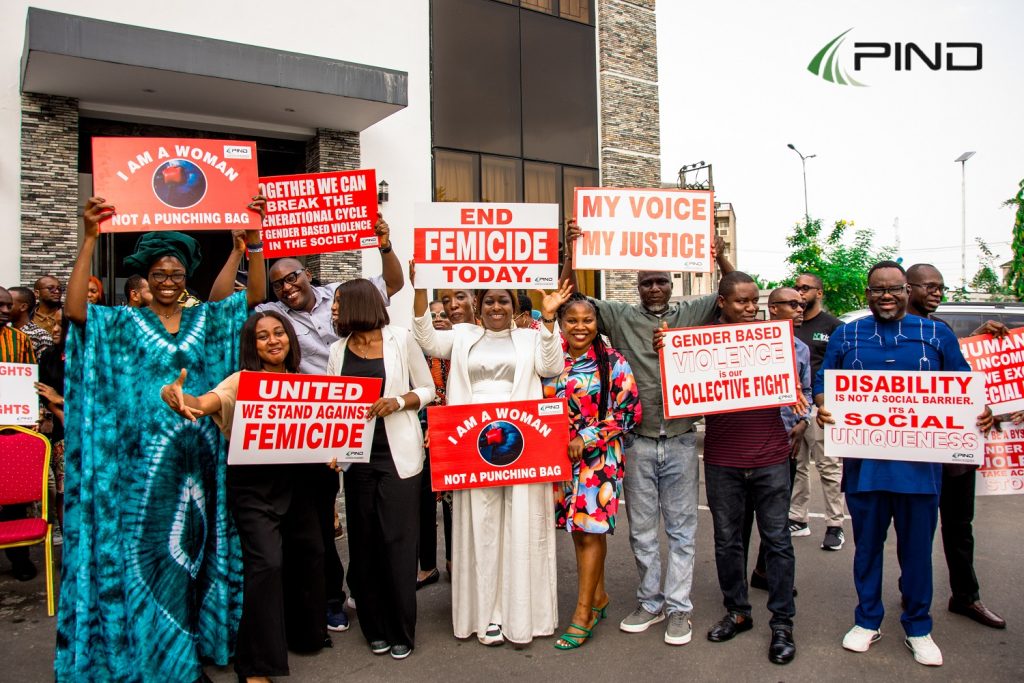
Across states in the Niger Delta, organizations are responding to digital and physical threats with programs that educate, empower, and protect women and girls. Their work shows that meaningful change is possible when organizations understand local context and prioritize inclusion.
Freky Andrew-Essien Care Foundation (FAECARE Foundation): In Rivers State, FAECARE is dedicated to empowering women and girls, especially those living with physical disabilities, through inclusive education, community support, and capacity building. Their programs include digital literacy training and safe-space learning circles, which help participants understand online risks, protect their personal information, and build confidence in using technology.
BetterLiving Foundation and Capacity Development (BEFCAD): Based in Ondo State, BEFCAD works to strengthen the lives of women and adolescent girls through community education, skills development, and economic empowerment. Their initiatives include digital skills workshops, financial literacy, and awareness sessions on gender-based violence, all aimed at enabling women to navigate both offline and online challenges safely and independently.
Women Empowerment Education and Peacebuilding Initiative (WEPBI): Operating in Imo State, WEPBI supports community-led peacebuilding by building networks of women who address violence, safety, and social cohesion. In addition to facilitating dialogues on GBV, WEPBI promotes safe communication, both in physical spaces and online, and connects survivors to essential services.
Women and Community Livelihood Foundation (WOCLIF): In Akwa Ibom State, WOCLIF promotes the economic and social empowerment of women by combining livelihood training with digital literacy. Through their programs, women learn how to utilize digital tools to grow their businesses while also acquiring practical knowledge to safeguard themselves against online exploitation, phishing attempts, and financial fraud.
Building a Digitally Safe Future
As the Niger Delta enhances its digital connectivity, safeguarding the participation of women and girls is vital for the region’s social and economic development. Local community partners demonstrate what can be achieved when organizations lead with empathy, innovation, and a firm grasp of community needs. However, progress depends on collective effort. Community members, policymakers, youth, and digital platforms must collaborate to create a safe, protected, and empowering online space for women and girls.